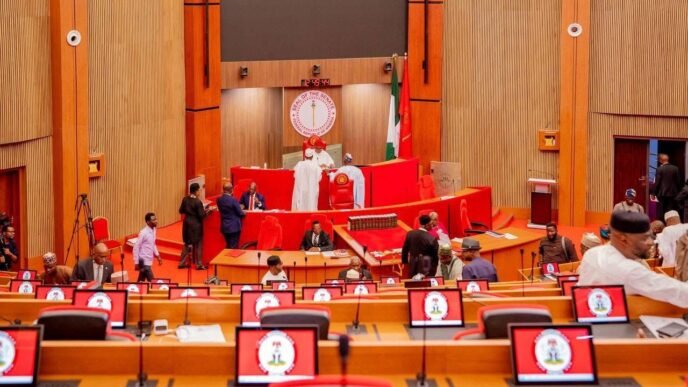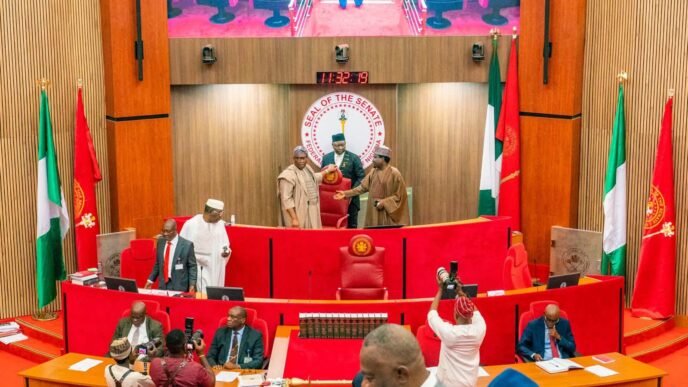
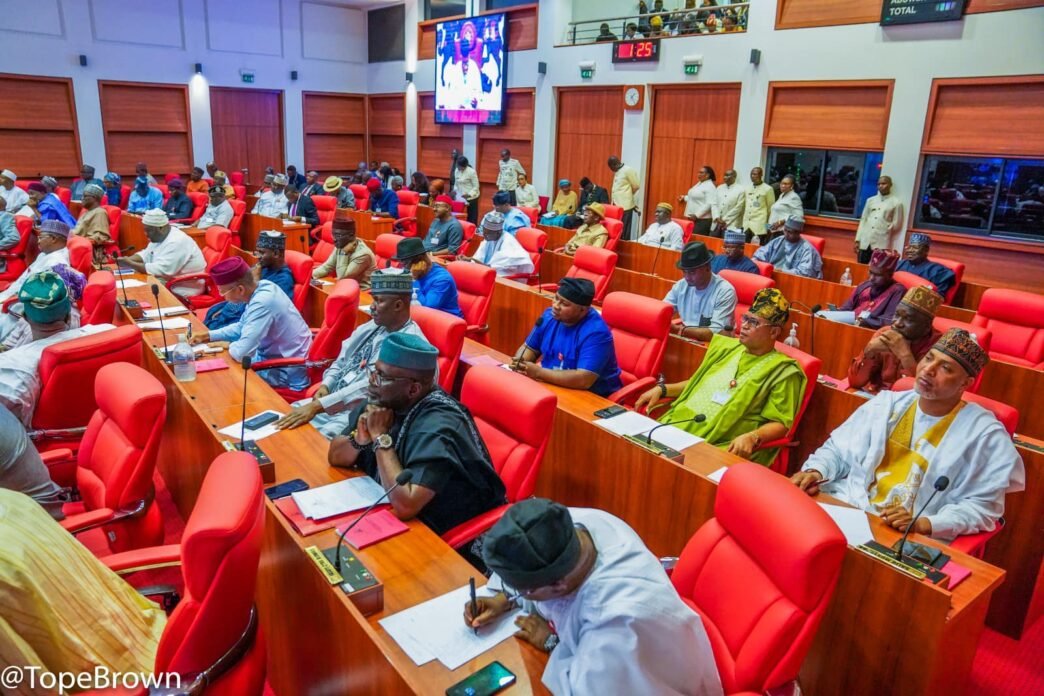
The Senate has formally assured the Executive of its commitment to the timely passage and rigorous implementation of the 2026 Appropriation Bill, framing the upcoming fiscal year as a pivotal moment for national economic recovery.
Speaking on Monday at a public hearing organized by the Senate Committee on Appropriations at the National Assembly, the President of the Senate, His Excellency, Senator Godswill Akpabio, underscored the legislature’s readiness to collaborate with President Bola Tinubu’s administration to stabilize the economy and enhance the welfare of all Nigerians.
Represented by Deputy Senate President Barau Jibrin, Akpabio delivered a keynote address titled “From Budget to Impact.” He cautioned that the 2026 budget must not be treated as a routine document but as a strategic tool to address Nigeria’s pressing challenges, including inflation, infrastructure deficits, and security concerns.
“Nigeria today stands at a decisive crossroads,” Akpabio stated. “Our task is not simply to spend more, but to spend better; not merely to allocate funds, but to convert budgets into outcomes and appropriations into impact.”
Invoking the philosophy of economist John Maynard Keynes, the Senate President urged a departure from traditional spending patterns in favor of fiscal discipline and structural reforms. He identified macroeconomic stability and infrastructure delivery as the “interlinked pillars” required for national growth.
In a move to strengthen democratic accountability, the Senate has opened the budget process to intense public scrutiny. Akpabio praised the Committee on Appropriations for inviting experts and citizens to participate, noting that their input is the “oxygen” of good governance.
“Budgeting in a democracy is not done for the people alone, but with the people,” he added, urging stakeholders to engage as partners in national progress rather than mere spectators.
Key Highlights of the Senate’s Commitment:
Timely Passage: A pledge to avoid legislative delays to ensure a predictable fiscal cycle.
Enhanced Oversight: Strict monitoring of the Executive to ensure budget implementation aligns with approved targets.
Economic Resilience: Prioritizing policies that tackle unemployment and inflationary pressures.
Accountability: Ensuring that every naira allocated translates into measurable results for the Nigerian public.
The Senate President concluded by describing the 2026 budget as a “moral document” that reflects the nation’s true priorities and values, asserting that despite current hardships, the government remains optimistic about rising above the current economic “storm.”