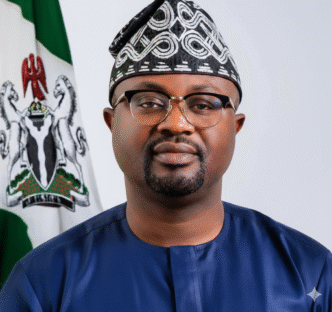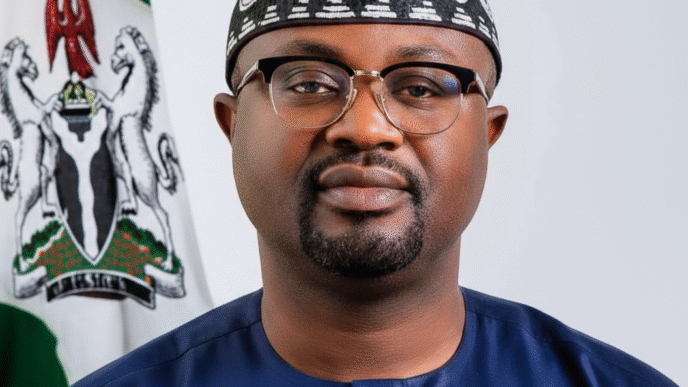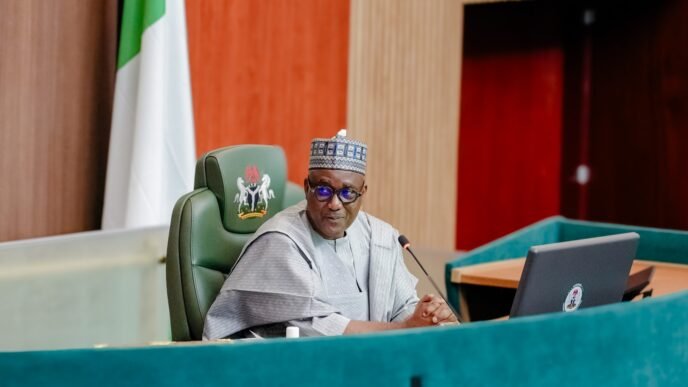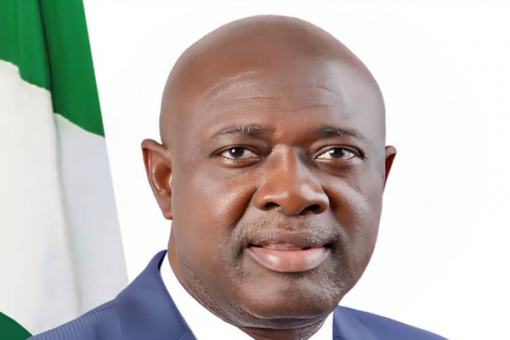
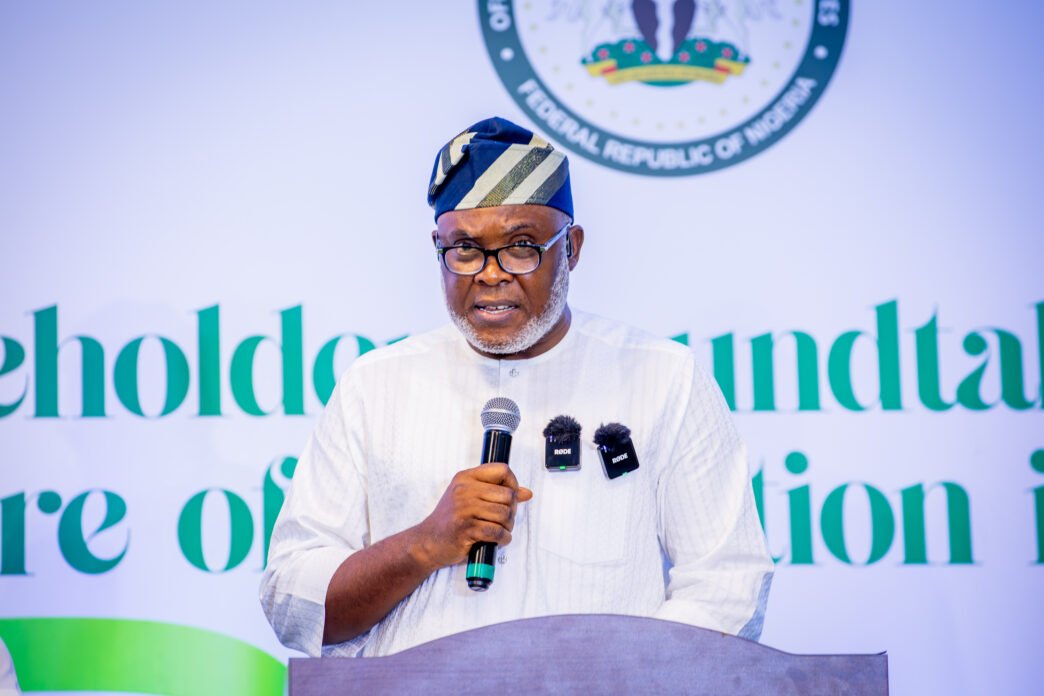
Rt. Hon. Henry Nwawuba, Executive Secretary of the National Assembly Library, emphasized the need for strong, research-based legislation to shape the future of education in Nigeria.
He spoke at the Stakeholder Roundtable on the Future of Education in Nigeria, organized to commemorate the International Day of Education 2026. The event brought together government officials, civil society, academia, and private sector representatives to deliberate on sustainable reforms in the education sector.
Education: Foundation of National Development
In his remarks, Nwawuba described education as the bedrock of national development, stressing its role in driving innovation, economic growth, social cohesion, and democratic stability.
He noted that Nigeria’s future depends on the strength, inclusivity, and adaptability of its education system, particularly in a rapidly evolving global landscape shaped by technology and changing skill requirements.
Speaking on the theme, “Re-imagining the Future of Education in Nigeria: Collaborative Solutions for a Brighter Tomorrow,” he described the conversation as timely and necessary for progress.
He added that the National Assembly plays a critical role in shaping education through responsive lawmaking, effective oversight, and strategic appropriation.
“Strong legislation ensures policy continuity, institutional accountability, and sustainable reforms, making education actionable and measurable,” Nwawuba said.
Knowledge-Driven Legislature and Evidence-Based Reforms
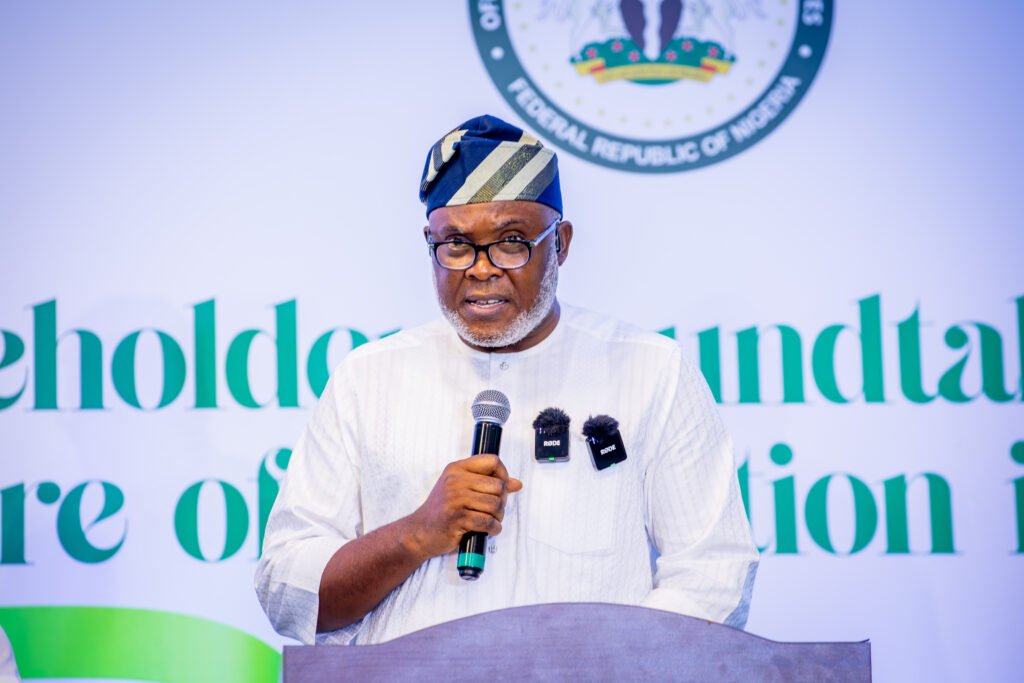
Nwawuba highlighted the importance of research, knowledge management, and access to credible information in strengthening legislative outcomes. He emphasized that a knowledge-driven legislature is better positioned to enact laws that address current realities and anticipate future demands.
He called for stronger collaboration between legislative institutions and knowledge centers, including libraries and research bodies. He noted that educational reforms must be guided by data, global best practices, and the lived experiences of Nigerians nationwide.
The Executive Secretary urged stakeholders to move beyond analysis and adopt practical, innovative, and inclusive solutions. He identified digital transformation, teacher development, curriculum modernization, and equitable access for underserved communities as key priorities for reform.
He also stressed the need for legislative frameworks that are adaptable and responsive to emerging trends, such as artificial intelligence and digital learning ecosystems.
Gbajabiamila Highlights 9th Assembly Achievements
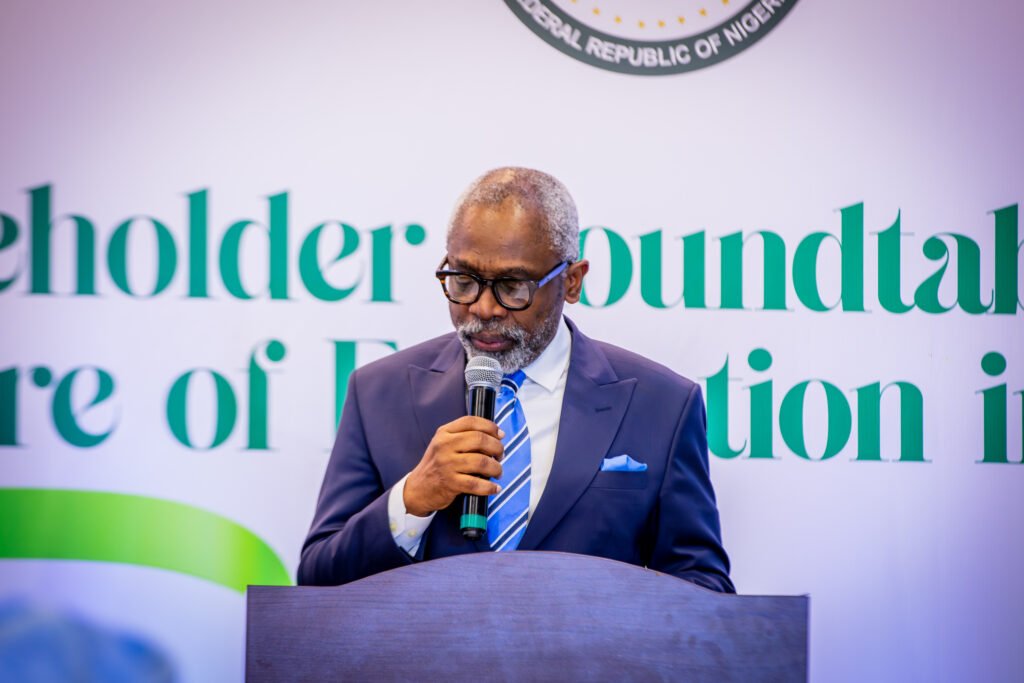
The Special Guest of Honour and former Speaker of the House of Representatives, Femi Gbajabiamila, reflected on the landmark achievements of the 9th Assembly in advancing education and youth development.
He highlighted the Assembly’s record of legislative reforms, including championing the Students Loan Bill, which aims to expand access to higher education for Nigerian students. He commended the House Committee on Education for its dedication and commitment to driving transformative initiatives within the sector.
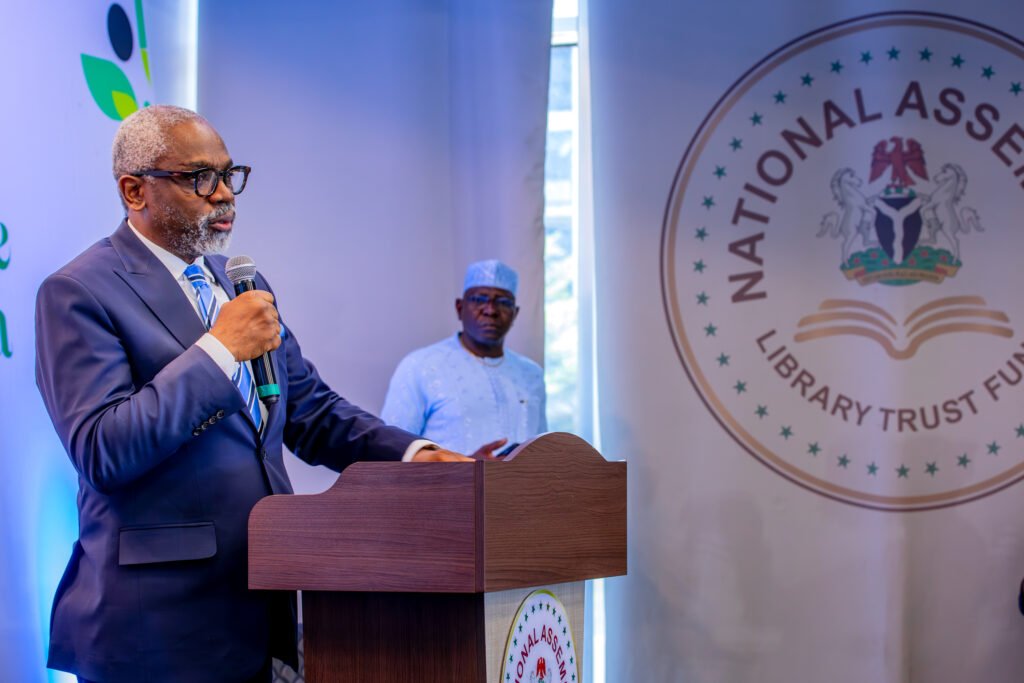
Gbajabiamila also praised Nwawuba for what he called a phenomenal achievement in repositioning the National Assembly Library to meet international standards. He noted that strong knowledge institutions are vital to effective governance and quality lawmaking.
Other Dignitaries in Attendance
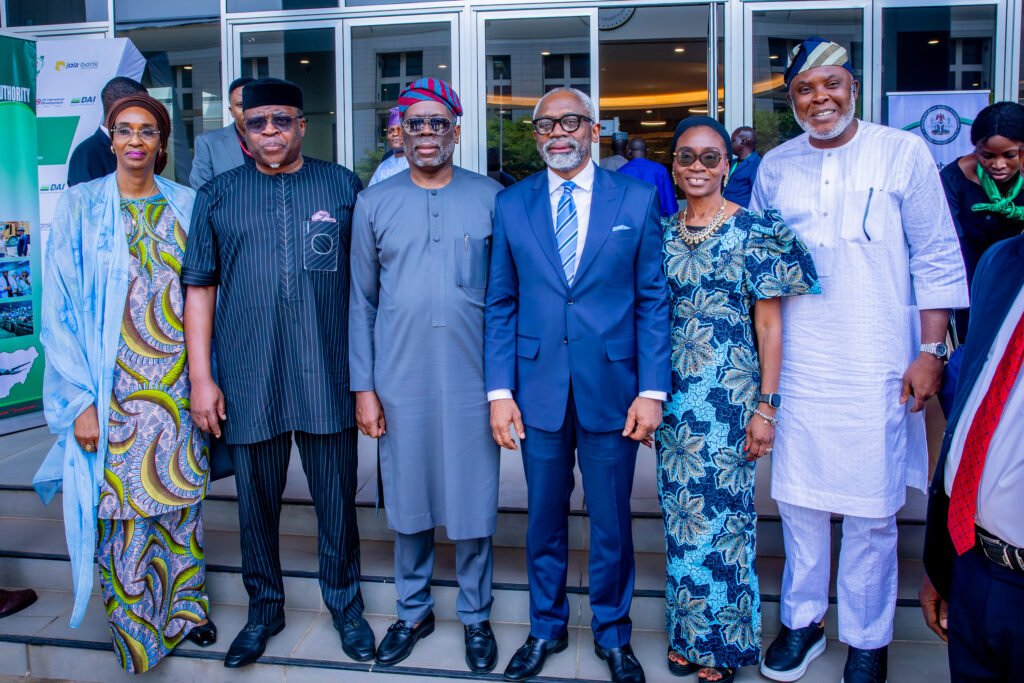
Other notable attendees at the roundtable included the Minister of State for Education, Professor Suwaiba Sa’id Ahmad, and the Chairman of the House of Representatives Committee on Education, Abubakar Hassan Fulata, among other distinguished stakeholders.
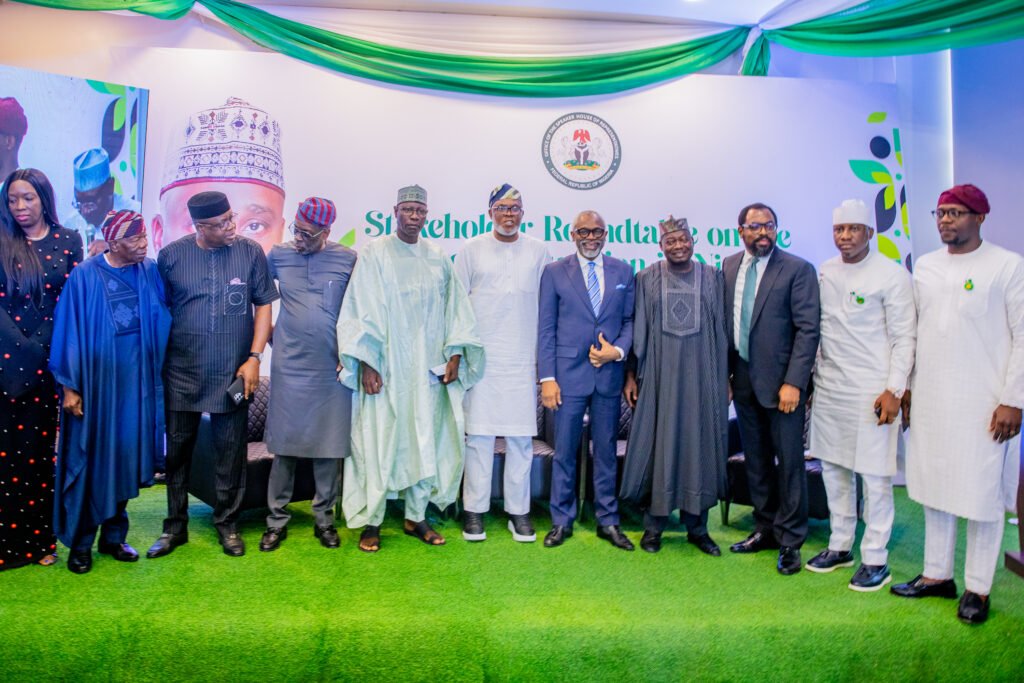
The event concluded with a shared commitment among participants to pursue collaborative, forward-looking reforms for a brighter future for Nigeria’s education system.
Nwawuba reaffirmed the National Assembly Library’s dedication to supporting knowledge-driven governance and sustainable educational progress. He expressed optimism that through collaboration, innovation, and strong legislative action, Nigeria can build an education system prepared for tomorrow’s demands.