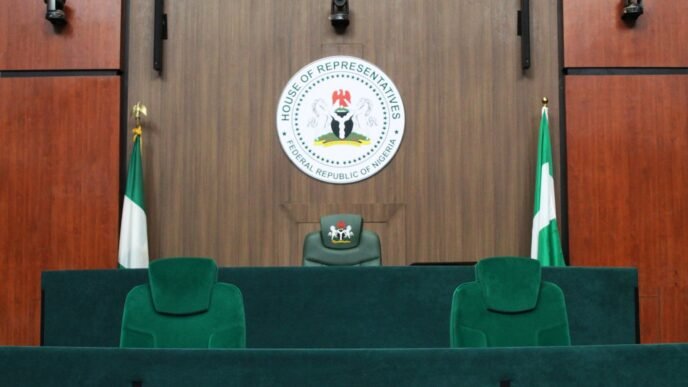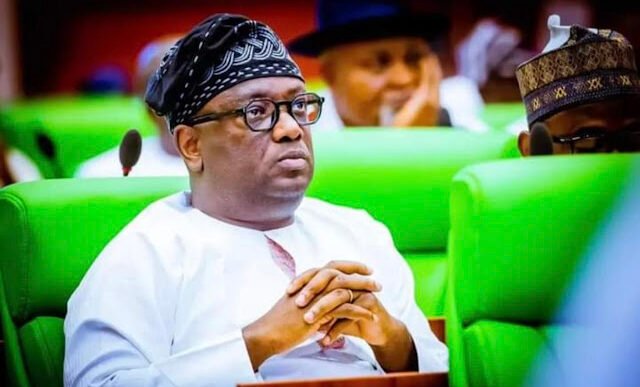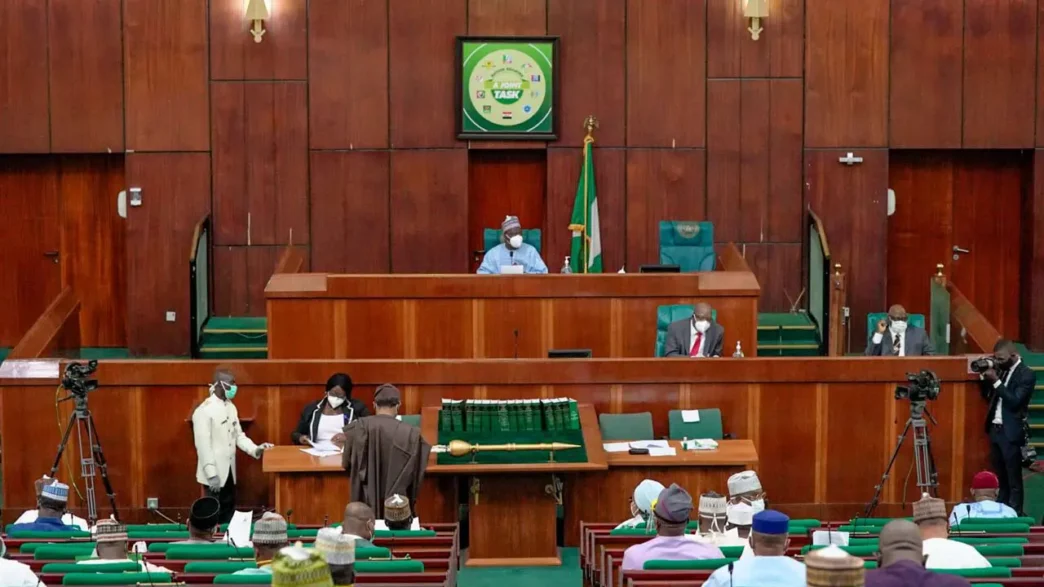
The Joint House of Representatives Panel on Commerce has taken a firm stand on national fiscal discipline, serves notice that it will prioritize “value for money” and measurable outcomes over automatic budgetary increments for the 2026 fiscal year.
During a high-stakes budget defense session held yesterday at the National Assembly Complex, Committee Chairman Ahmed Munir informed the Ministry of Industry, Trade and Investment that while the legislature remains ready to support economic growth, any proposed increase to the 2026 budget will face intense scrutiny.
“While 2025 may have been a year of ‘surviving the storm,’ our focus for 2026 must shift to ‘commanding the sea,’” Chairman Munir stated. He emphasized that the committee’s oversight will focus heavily on how the 2026 proposal advances local content, empowers small and medium enterprises (SMEs), and boosts “Made-in-Nigeria” initiatives.
Key Highlights from the Session:
- Surge in Capital Inflow: The Minister of Industry, Trade and Investment, Dr. Jumoke Oduwole, reported a significant rise in capital importation, reaching $21 billion in the first 10 months of 2025—a sharp increase from $12 billion in 2024 and less than $4 billion in 2023.
- Demand for Impact: Despite these headline figures, lawmakers insisted that impressive statistics must translate into tangible economic impacts and strengthened domestic production before an upward review of the ministry’s budget is granted.
- Trade Performance: Nigeria recorded a trade surplus in 2025, with exports rising 11% year-on-year to $6.1 billion, the highest value and volume ever recorded.
- Foreign Investment: UK investors accounted for approximately 65% of foreign capital inflows in 2025, supported by the Nigeria-UK Economic and Trade Partnership.
The Committee reiterated that its primary objective is to transform Nigeria into a production-driven economy. Lawmakers highlighted the urgent need to reduce import dependence by bolstering the nation’s domestic production capacity.
The Minister attributed the growth in investor confidence to President Bola Tinubu’s “Renewed Hope Agenda” and specific interventions, including the creation of sector-specific deal rooms and the hosting of the first Domestic Investors Summit.
The House Panel concluded by reaffirming its commitment to transparency, stating that every naira in the 2026 proposal must be justified by its ability to deliver measurable public value and support the empowerment of Nigerian businesses.