The Nigerian Senate has launched a comprehensive investigation into the mounting inefficiencies, rising insecurity, and deteriorating service delivery across the nation’s railway network.
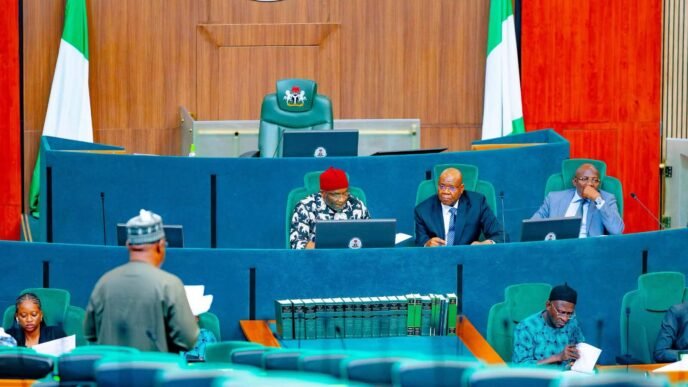
The probe follows a motion raised during Thursday’s plenary, where lawmakers highlighted the alarming state of key rail corridors specifically the Abuja–Kaduna–Kano line citing poor project execution and a drastic decline in operational standards.
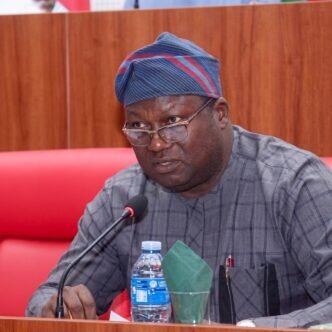
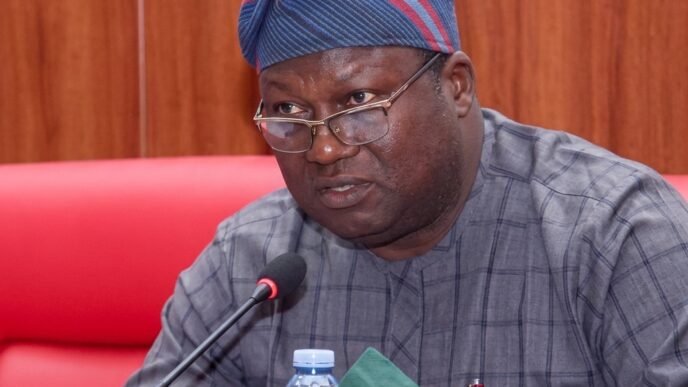
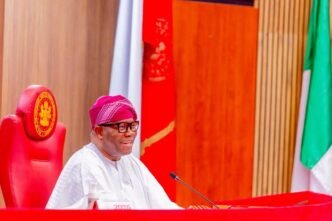
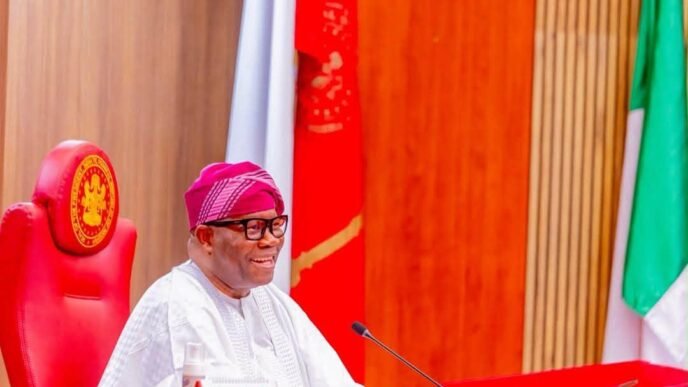
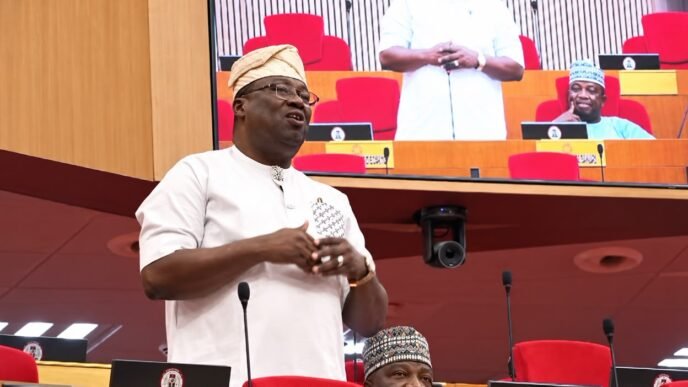
Senate President Godswill Akpabio has formally inaugurated an ad hoc committee to conduct a holistic audit of the Nigerian railway system. Chaired by Senator Adams Oshiomhole, the committee is mandated to examine:
The execution and quality of rail project contracts.
Funding allocations and revenue management.
Operational efficiency and passenger safety measures.
The committee, originally constituted in November 2025, has been given six weeks to submit its final report and recommendations.
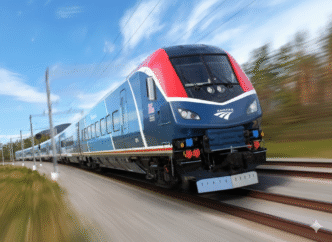
During the session, Senate President Akpabio expressed deep dissatisfaction with the current speed of the Abuja–Kaduna train service, noting that journey times have deteriorated significantly.
“The speed has dropped to the point where a bicycle or a Keke Napep could nearly reach Kaduna faster than the train,” Akpabio remarked, stressing that the system must return to its role as a modern, efficient transport alternative.
Contributing to the motion, Senator Abdul Ningi raised concerns regarding the Abuja–Kaduna–Kano rail line. He alleged that despite generating over N1.8 billion in revenue, there has been no visible reinvestment into service improvements.
Key issues highlighted include:
Increased Travel Time: The trip from Abuja to Kaduna, which previously took 90 minutes, now takes approximately three and a half hours.
Reduced Frequency: Operations have reportedly been slashed from multiple daily departures to just one trip per day, significantly inconveniencing commuters.
Contract Execution: Allegations of poorly executed contracts that have compromised the long-term viability of the rail infrastructure.
The Senate’s investigation aims to restore public confidence in the rail system and ensure that the multi-billion naira investments in the sector translate into reliable and secure transportation for all Nigerians.