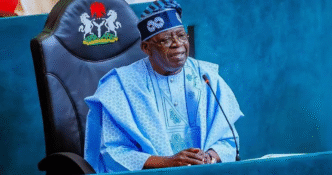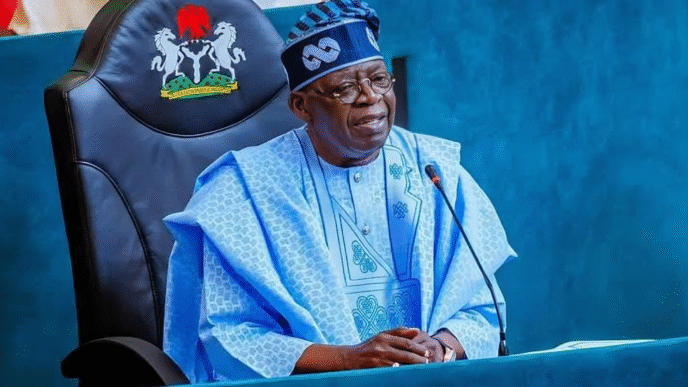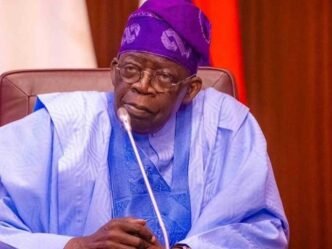
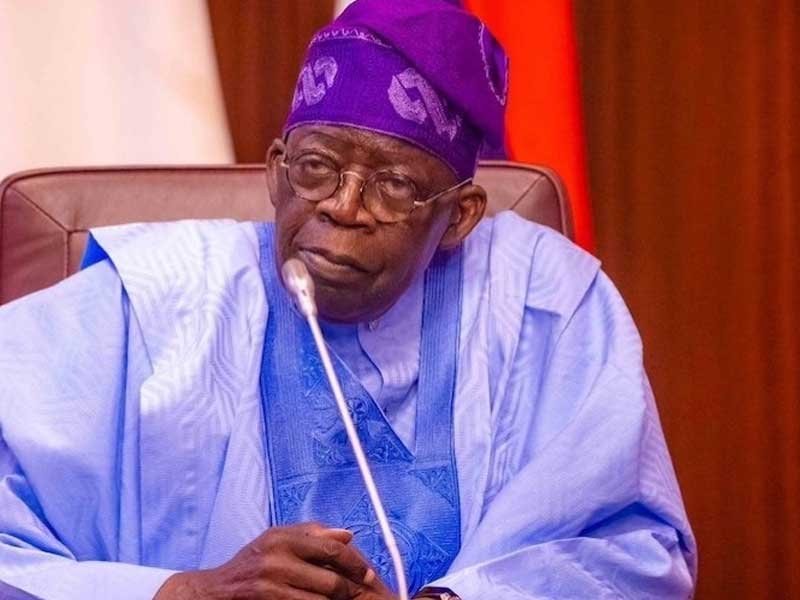
February 10, 2026 — President Bola Ahmed Tinubu on Monday declared a decisive war on the insecurity plaguing the nation, describing terrorism and banditry as “alien” threats that have kept the leadership “sleepless at night.”
Speaking at the opening of the Second National Economic Council (NEC) Conference in Abuja, the President combined a stern security mandate with the unveiling of the Renewed Hope National Development Plan (2026–2030), a five-year blueprint aimed at moving Nigeria from economic recovery to total transformation.
Addressing a hall of state governors, ministers, and private sector leaders, Tinubu emphasized that economic prosperity cannot exist without stability.
“I promise you here that I’ll play my part. We will win with determination and resilience. We will overcome this unacceptable terrorism and banditry. It is not part of our culture; it is foreign to us,” the President stated.
He specifically acknowledged the efforts of governors in frontline states like Borno, Katsina, and Kaduna, while promising a new “seven zones of mechanization” initiative to bolster both security and agricultural productivity.
The centerpiece of the conference was the Renewed Hope National Development Plan, which the President described as an evidence-based and realistic strategy. The plan focuses on five key pillars:
Economic Diversification: Reducing the nation’s over-reliance on oil.
Human Capital Development: Investing in the health and education of the youth.
Subnational Competitiveness: Empowering states to leverage their unique comparative advantages.
Private Sector-Led Growth: Creating a business-friendly environment for investment.
Climate Resilience: Building infrastructure capable of withstanding environmental shifts.
Tinubu hailed the NEC, chaired by Vice President Kashim Shettima, as the “cornerstone of fiscal federalism.” He noted that his administration’s reforms have already led to increased and more predictable FAAC allocations to states and local governments, enabling them to better meet their obligations.
Vice President Shettima echoed this sentiment, stressing that the government’s mission is “incomplete if a child born in Lafia does not have the same chance of thriving as one born in Lagos.”
The President highlighted several milestones achieved under the current reform agenda:
GDP Growth: The economy grew by 3.98% in Q3 2025.
Inflation Control: Headline inflation has seen a steady decline, dropping to 14.45% as of late 2025.
Revenue Performance: Improved public financial management and fiscal coordination.
The President concluded by urging the Council to move “decisively from declarations to implementation.” He stressed that the success of the new National Development Plan rests on the shoulders of state and local government leaders who must align their local realities with national priorities.