The Nigerian Senate has formally challenged the Federal Government’s current “envelope budgeting” system, declaring it fundamentally inadequate to address the nation’s escalating security challenges.
During the 2026 budget defense session for the Office of the National Security Adviser (ONSA), the Senate Committee on National Security and Intelligence warned that fixed spending ceilings are stifling the country’s ability to respond to a “national emergency” on security.
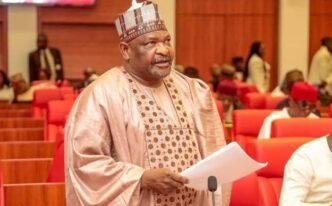
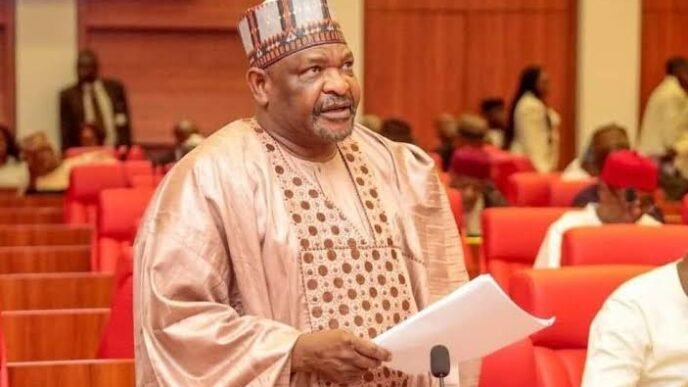
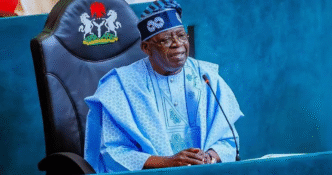
Chairman of the Committee, Senator Yahaya Abdullahi, argued that the rigid financial constraints of the envelope system which sets pre-determined expenditure caps for agencies are incompatible with the fluid nature of modern warfare and intelligence operations. Despite President Bola Tinubu’s declaration of a security emergency, lawmakers pointed to a significant “disconnect” between executive policy and fiscal reality.
“The envelope budgeting system is not sufficient to address the magnitude of security threats confronting the nation,” Senator Abdullahi stated. “Security agencies cannot operate optimally under financial constraints and delayed releases. If we are serious about winning this fight, our funding structure must reflect that seriousness.”
The Committee highlighted several critical failures resulting from the current fiscal model:
Stalled Infrastructure: Non-implementation of capital projects from the 2024 and 2025 budgets has halted progress on essential surveillance infrastructure and intelligence-gathering tools.
Logistical Weakness: Delayed fund releases have hampered the procurement of equipment and the mobility of personnel across volatile regions.
Inflexibility: The current system lacks the “rapid response” capability needed to address sudden spikes in banditry, kidnapping, and insurgency.
Corroborating these concerns, the Permanent Secretary of Special Services (ONSA), Mohammed Sanusi, noted that irregular overhead releases have severely undermined the Office’s ability to coordinate the nation’s various security outfits.
With Nigeria facing multi-front threats ranging from North-West banditry to Niger Delta oil theft, the Senate is now calling for a transition toward a more dynamic funding mechanism. Senators argued that a “national emergency” warrants exceptional financial measures rather than routine bureaucratic control
The Committee assured ONSA of its commitment to providing stronger legislative backing, hinting at a potential overhaul of funding modalities during the 2026 budget appropriations. The goal is to ensure that security agencies have predictable, timely, and sufficient access to resources to restore public confidence and dismantle criminal networks.
Following the public hearing, the Committee entered a closed-door session to review classified expenditure lines and specific operational requirements for the upcoming fiscal year.