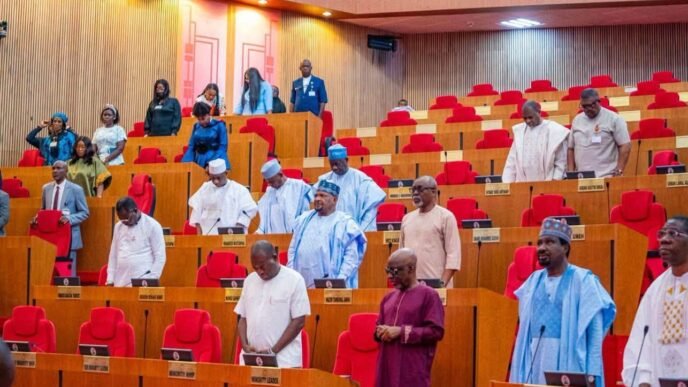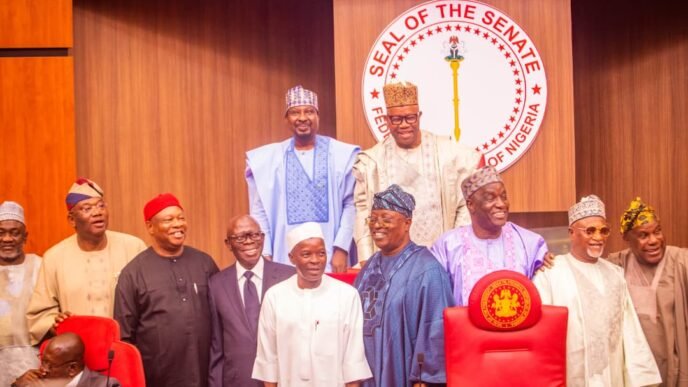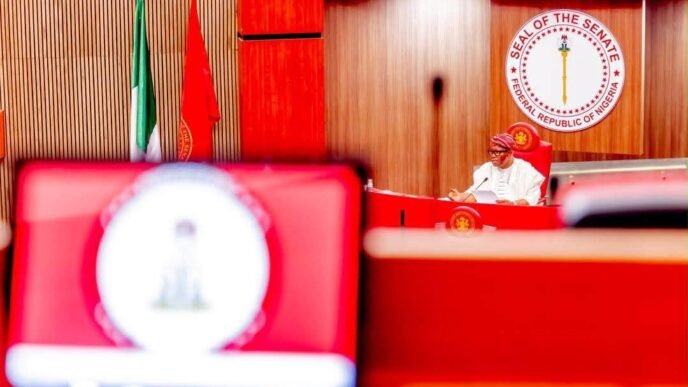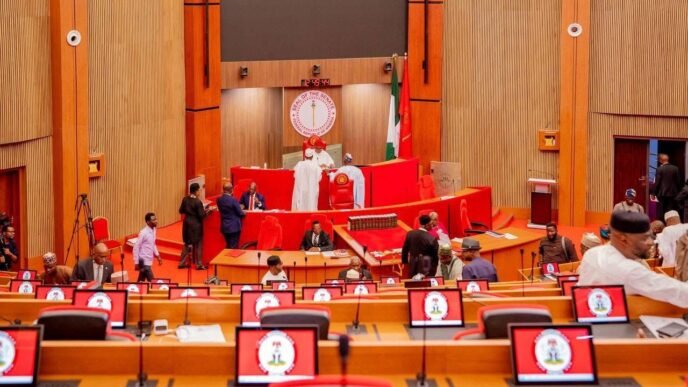
The Senate of the Federal Republic of Nigeria has announced a high-level engagement with officials from the International Monetary Fund (IMF) to review the nation’s economic outlook and the progress of ongoing structural reforms under the administration of President Bola Ahmed Tinubu.
The consultation, scheduled to take place between March 4 and March 17, 2026, is a key component of the IMF’s Article IV Consultation. This routine assessment provides a framework for evaluating Nigeria’s economic policies, financial stability, and the long-term viability of current fiscal adjustments.
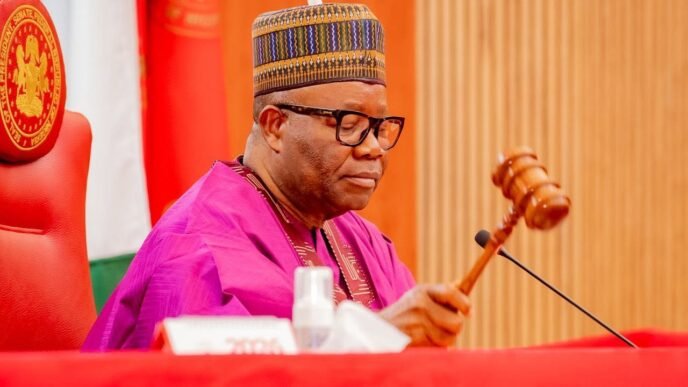
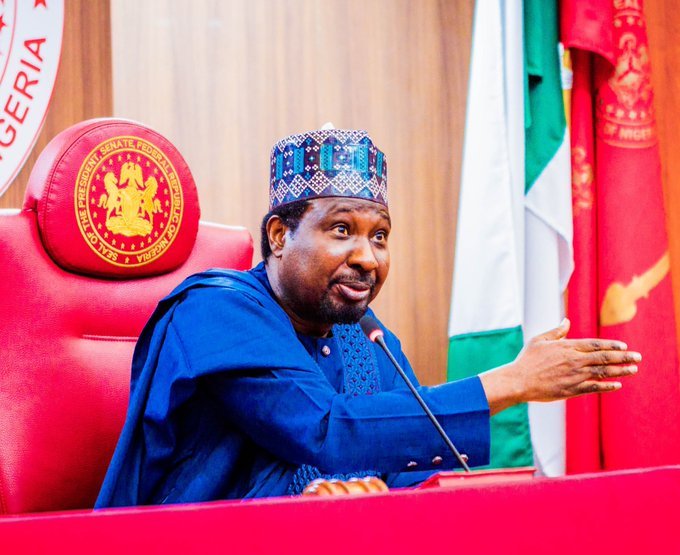
Disclosed by the Deputy President of the Senate, Barau Jibrin, the meeting follows a specific request from the IMF for direct engagement with the Senate leadership. The dialogue aims to:
Enhance Transparency: Provide lawmakers with a comprehensive understanding of the government’s economic management framework.
Evaluate Reform Support: Explore potential avenues for the IMF to bolster the Federal Government’s sweeping economic initiatives.
Strengthen Policy Dialogue: Create a platform for exchange regarding the nation’s financial direction and legislative priorities.
The visit comes at a pivotal moment as international financial institutions signal growing confidence in Nigeria’s recovery.
While 2025 was characterized by cautious stabilization following exchange rate unification and subsidy removals, the projections for 2026 indicate a significant upward trajectory.
Key Growth Projections:
| Institution | 2025 Growth Est. | 2026 Growth Projection |
|---|---|---|
| IMF | 3.4% | 4.4% |
| World Bank | 3.6% | 4.4% |
The revised 4.4% growth forecast for 2026 suggests that Nigeria may be on track for its fastest economic expansion in over a decade.
This growth is expected to be anchored by the services sector specifically telecommunications and financial services alongside gains in agriculture and non-oil industries.
“The International Monetary Fund Article IV Consultation in Nigeria has been scheduled at the instance of the Federal Government specifically requesting a high-level engagement with the Senate’s leadership,” the official notice stated.
While challenges such as inflation and infrastructure bottlenecks remain, the Senate’s engagement with the IMF underscores a commitment to maintaining the momentum of fiscal and monetary reforms to ensure sustainable prosperity for all Nigerians.