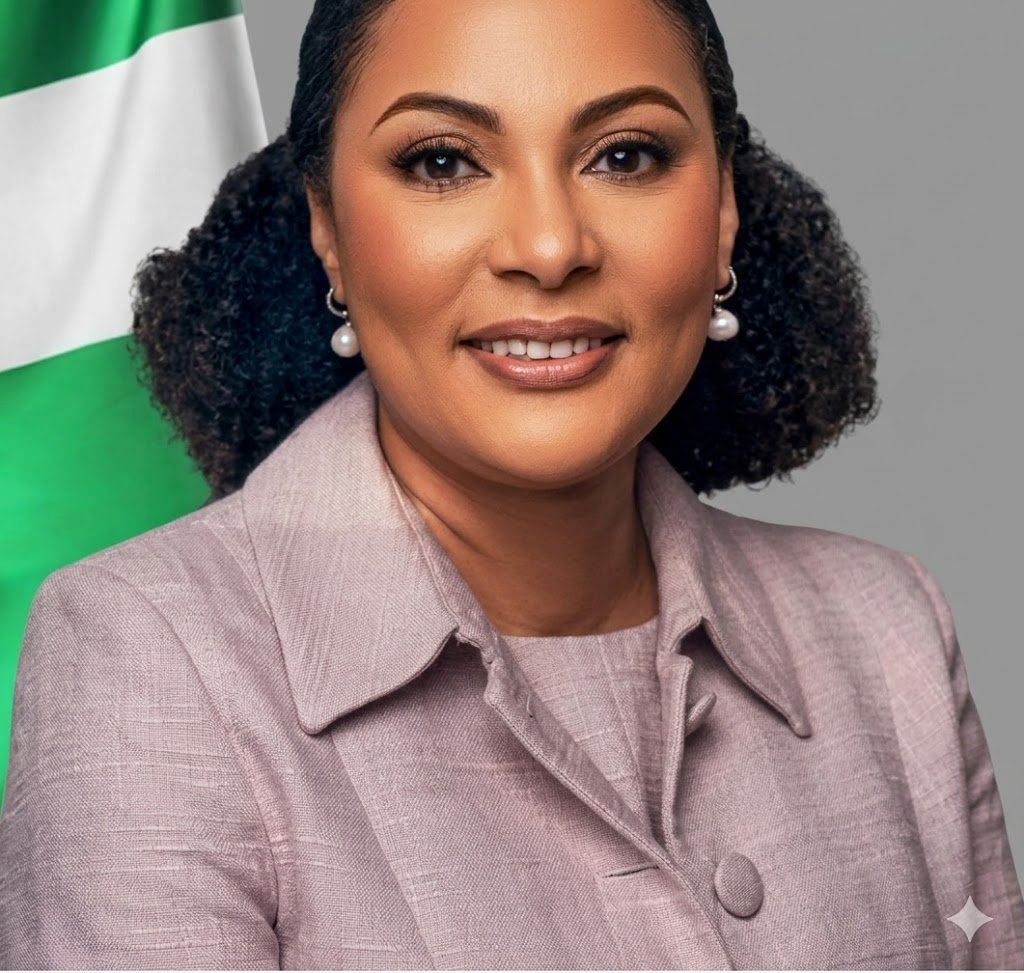
Dr. Doris Uzoka-Anite has officially resumed her new role as the Minister of State for Budget and Economic Planning, marking the occasion with a bold call for the private sector to take the lead in driving Nigeria’s ambitious economic expansion.
Speaking at a reception in Abuja on Monday, Uzoka-Anite emphasized that the federal government’s goal of reaching a $1 trillion economy by 2030 cannot be achieved through public spending alone. Instead, she argued that the private sector must account for approximately 95% of the development effort, with the government serving as a strategic partner contributing the remaining 5%.
“I have no doubt that Mr. President can achieve the one trillion dollar economy,” the Minister stated, noting that the foundation has already been laid through recent economic reforms and the implementation of the National Development Plan (NDP).
Uzoka-Anite, who previously served as the Minister of Industry, Trade and Investment and Minister of State for Finance, urged that the administration’s “Renewed Hope” agenda be largely private-sector-led to achieve the scale of growth necessary for a total national transformation.
Welcoming her to the ministry, the Minister of Budget and Economic Planning, Senator Abubakar Atiku Bagudu, reinforced the administration’s commitment to the 2030 target. He explained that the National Development Plan for 2026–2030 will serve as the primary roadmap, guiding investment priorities and policy coordination to maintain an annual growth rate of roughly 7%.
Dr. Deborah Odoh, the Ministry’s Permanent Secretary, described Uzoka-Anite’s arrival as a timely boost. She noted that the Minister’s extensive background in finance and economic management would be vital in improving the quality of national planning and ensuring that the budget reflects the government’s aggressive reform agenda.
The transition comes as the federal government continues to pivot toward “investment budgeting,” a strategy designed to de-risk major projects and attract the massive amounts of private capital required to modernize Nigeria’s infrastructure and industrial sectors.