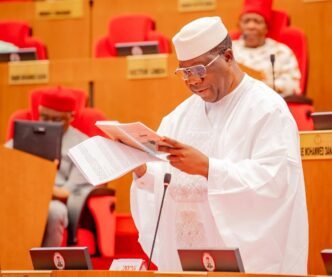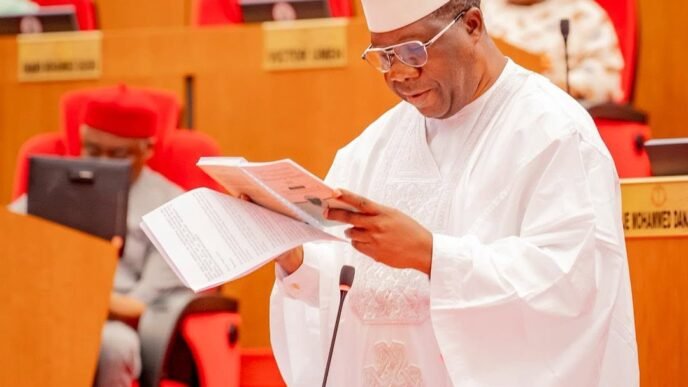
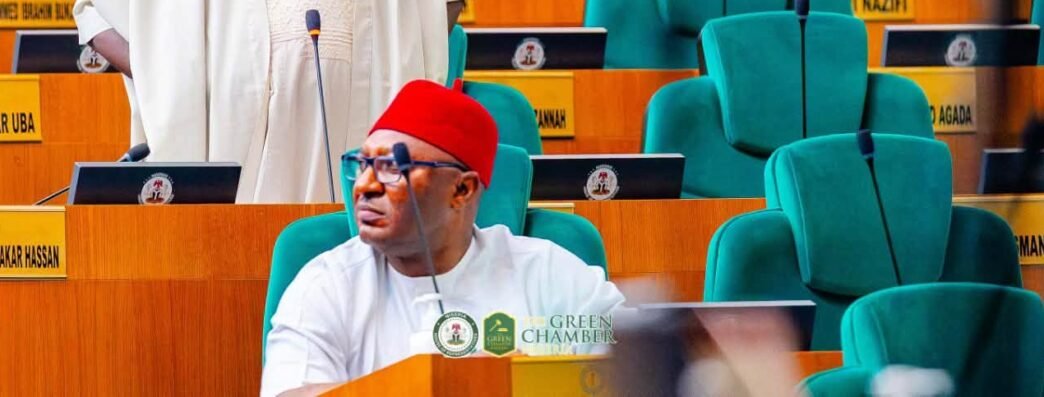
In a major legislative push to ease the heavy cost of living burden facing urban households, the House of Representatives has advanced HB. 2839-A Bill for an Act to Regulate Rental Payments, Prohibit Compulsory Multiple-Year Rent Demands, Housing Agency Practices and Rent Increases in the Federal Capital Territory, to its Second Reading on Wednesday, November 3, 2026.
Sponsored by Hon. Paul Sunday Nnamchi, the proposed legislation aims to overhaul Abuja’s notoriously chaotic housing market, establishing transparency, fairness, and accountability for both property owners and renters.
The proposed Bill directly addresses some of the most persistent and exploitative pain points experienced by tenants in Abuja, introducing comprehensive protections and regulatory oversight. It outlaws the common practice by landlords and agents demanding 2 to 3 years of rent upfront, establishing a framework geared toward standardizing manageable payment schedules. It introduces clear legal controls on arbitrary and exorbitant rent hikes, protecting tenants from sudden displacement. Real estate and housing agents will face stricter compliance guidelines regarding transparency, client funds, and operational accountability.
Moreover, HB. 2839 establishes a centralized digital registry for all housing agents operating within the FCT, To weed out fraudsters, briefcase operators, and unregistered agents. It proposed that clear, standardized caps on broker and agency fees will protect prospective tenants from predatory exploitation during property searches. While heavily focused on tenant relief, the legislation also reinforces legal pathways for landlords to recover properties or address defaulting tenants efficiently.
Speaking on the floor of the House, proponents of the Bill emphasized that housing security is a fundamental pillar of economic stability and social welfare in the nation’s capital. With rapid urbanization putting immense pressure on Abuja’s housing market, residents have long decried the predatory demands of advance payments and unregulated broker fees.
Advancing to the Second Reading signals the House’s collective commitment to subjecting the Bill to robust debate, stakeholder engagements, and public hearings to refine its provisions before committee reporting.