The Federal Government of Nigeria has officially announced an extension for the implementation of the 2025 Capital Budget. The 30% component of the budget is now scheduled to run until November 30, 2026, providing Ministries, Departments, and Agencies (MDAs) with an extended window to execute critical infrastructure projects.
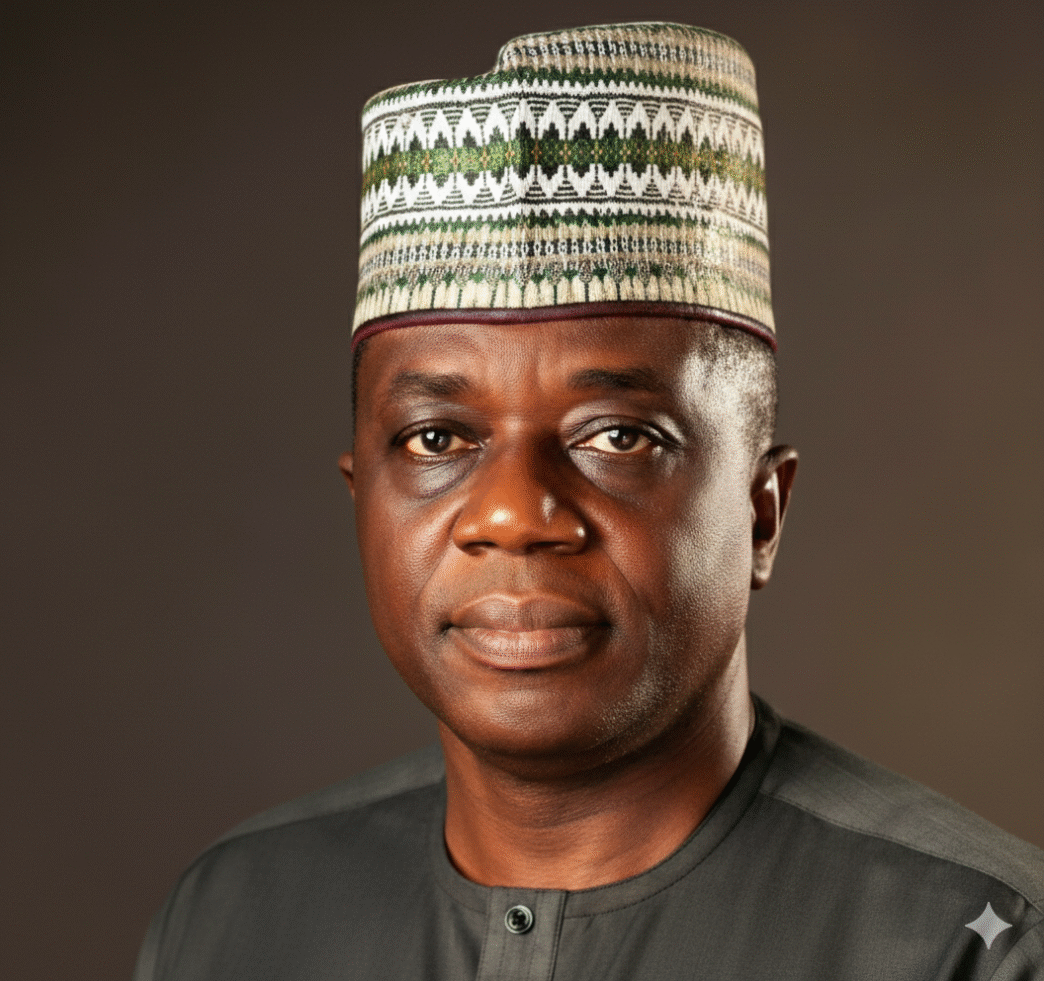
The announcement was made by the Accountant-General of the Federation, Dr. Shamseldeen Babatunde Ogunjimi, during a stakeholders’ meeting in Abuja on Thursday.
To ensure fiscal stability and project continuity, the Federal Government has adopted a bifurcated approach to the remaining 2025 funds:
30% Component: Implementation begins by the end of next week and will conclude on November 30, 2026.
70% Component: This portion has been officially rolled over into the 2026 Capital Budget to ensure a seamless transition and prevent project abandonment.
Dr. Ogunjimi confirmed that warrants have already been issued to MDAs and noted that the Government Integrated Financial Management Information System (GIFMIS) platform is now fully restored and operational to facilitate these transactions.
The Minister of State for Finance, Doris Uzoka-Anite, issued a stern directive to all MDAs to adhere strictly to the Public Procurement Act. The Minister emphasized that these measures are essential to eliminating waste and ensuring value for money.
Key directives from the Ministry include:
Cash Backing: All capital projects must be fully backed by available cash before execution.
Strict Documentation: No payments will be processed outside of approved procurement procedures.
Fund Availability: The Minister assured stakeholders that the country possesses adequate funds to settle pending payments, provided MDAs update their documentation promptly.
The Director of Funds, Steve Ehikhamenor, cautioned against budget overruns, urging MDAs to stay within the specific values outlined in their warrants. He further instructed that any unutilized or excess funds must be returned to the Treasury.
“This extension aims to rectify the implementation delays caused by previous revenue shortfalls, moving away from the overlapping budget cycles of recent years to a more organized fiscal framework.”
While this extension shifts the President’s earlier goal of returning to a single April–March budget cycle by 2026, the government maintains that this adjustment is necessary to ensure the completion of vital national projects and the effective utilization of allocated resources.