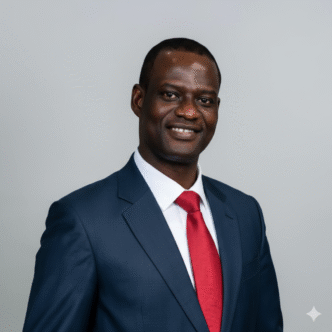

The House of Representatives has formally expressed its support for the nomination of Mr. Taiwo Oyedele as the Minister of State for Finance, identifying his appointment as a turning point in the federal government’s efforts to end the “zero capital release” cycle and settle long-standing debts owed to indigenous contractors.
Following his nomination by President Bola Ahmed Tinubu, lawmakers and stakeholders have lauded the choice of Oyedele, the former Chairman of the Presidential Committee on Fiscal Policy and Tax Reforms, as a strategic move to restore fiscal discipline and ensure that critical infrastructure projects receive their approved funding.
The House noted that the persistent non-release of capital funds to Ministries, Departments, and Agencies (MDAs) has led to a stagnation of national development and severe financial distress for Nigerian contractors. By leveraging Oyedele’s extensive background in fiscal policy and institutional strengthening, the legislature expects a swift transition from budgetary approval to actual fund disbursement.
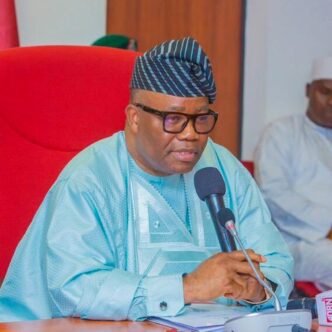
“Restoring the confidence of contractors and public institutions is a priority for this administration,” stated Rep. Philip Agbese. “Mr. Oyedele’s reform-minded approach is exactly what is needed to streamline payment processes and ensure that the 2025 and 2026 budget cycles do not suffer from the funding bottlenecks of the past.”
Some of the strategic realignment includes:
- Transitioning away from the trend where MDAs receive little to no capital allocations despite revenue gains.
- Prioritizing the payment of verified certificates for completed projects to alleviate the financial strain on indigenous firms.
- Strengthening the synergy between the Ministry of Finance, the Budget Office, and the Accountant General’s office to improve liquidity management.
- Implementing reforms that align public financial management with global best practices, ensuring every naira is accounted for and effectively deployed.
Mr. Oyedele’s nomination comes on the heels of his successful leadership of Nigeria’s tax reform initiatives, which focused on simplifying the tax code and reducing the burden on small businesses. Lawmakers believe this expertise will be instrumental in repositioning the Ministry of Finance to better support the government’s infrastructure and economic growth agenda.
The House of Representatives remains committed to its oversight function, ensuring that this new leadership at the Ministry of Finance translates into tangible progress on roads, hospitals, and power projects across the federation.