
The National Assembly has reaffirmed its commitment to closing the critical gap between Nigeria’s strategic development plans and their actual implementation through the annual budget. This initiative is designed to move beyond traditional fiscal cycles toward a model that fuels sustainable, long-term economic growth.
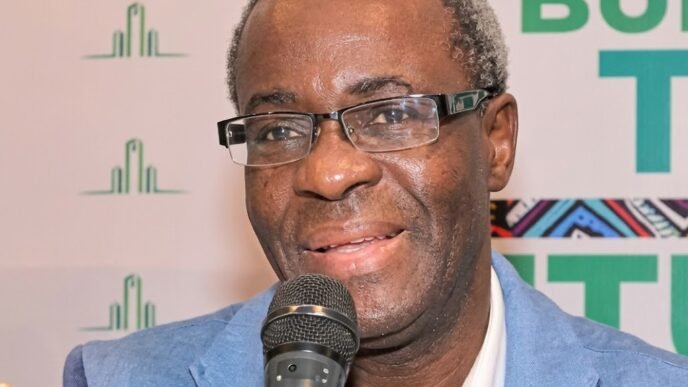
Hon. Gboyega Isiaka, Chairman of the House Committee on National Planning and Economic Development, announced the move during a press briefing in Abuja. He emphasized that for Nigeria to achieve its developmental milestones, the nation’s financial blueprints must be mirrors of its economic aspirations.
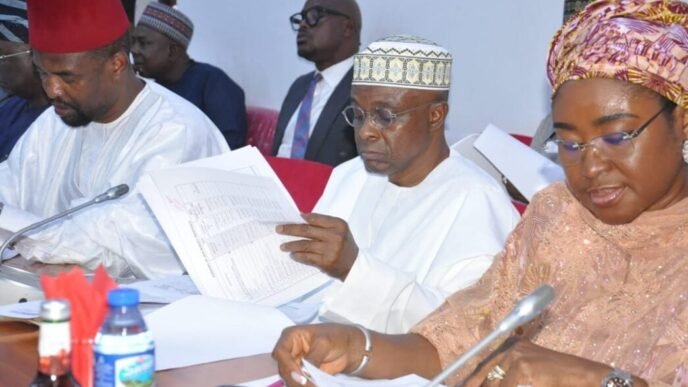
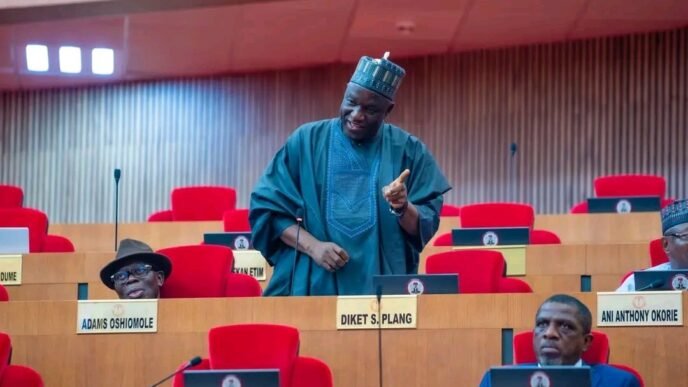
To address these systemic challenges, the National Assembly Joint Committee on National Planning and Economic Development has finalized arrangements to host a two-day legislative dialogue.
The event will serve as a collaborative platform to synchronize Nigeria’s development agenda with its current fiscal framework. Key stakeholders participating in this strategic initiative include:
- The Office of the Vice President
- The Ministry of Finance
- The Ministry of National Planning
- The Budget Office of the Federation
During the briefing, Hon. Isiaka highlighted that the misalignment between planning and spending has historically hindered the completion of key national projects. By fostering a stronger synergy between the executive and legislative arms, the dialogue aims to ensure that every naira appropriated serves a specific goal within the National Development Plan.
The upcoming sessions are expected to produce actionable recommendations that will reform the budgetary process, ensuring that future appropriations are strictly evidence-based and development-driven.
“The lessons are clear. Plans alone are not enough; execution, consistency, and adaptability are critical,” Isiaka concluded. “This dialogue is about getting it right going forward.”
The National Assembly intends for this initiative to produce a more resilient fiscal framework, ensuring that the budget becomes a precise instrument for achieving the $1 trillion target.