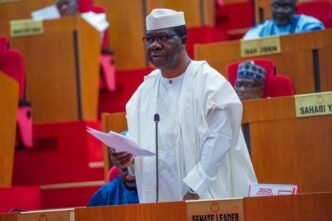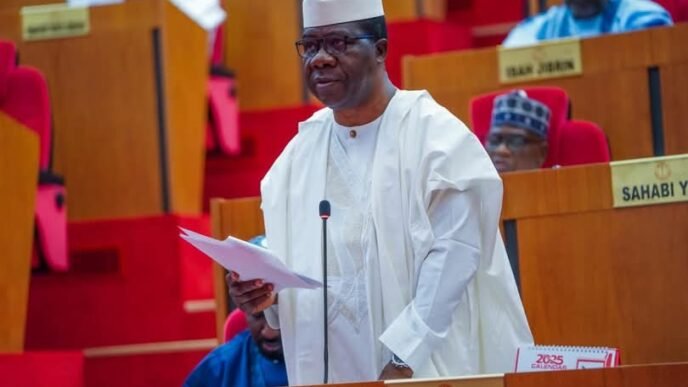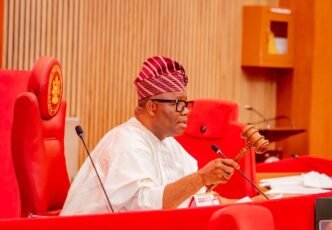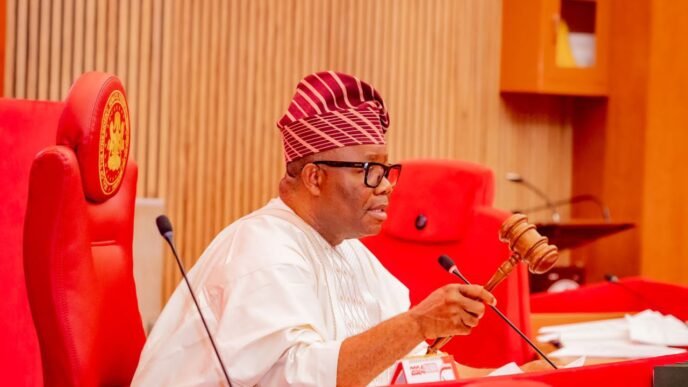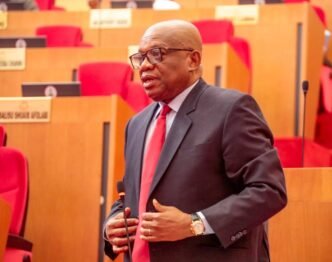
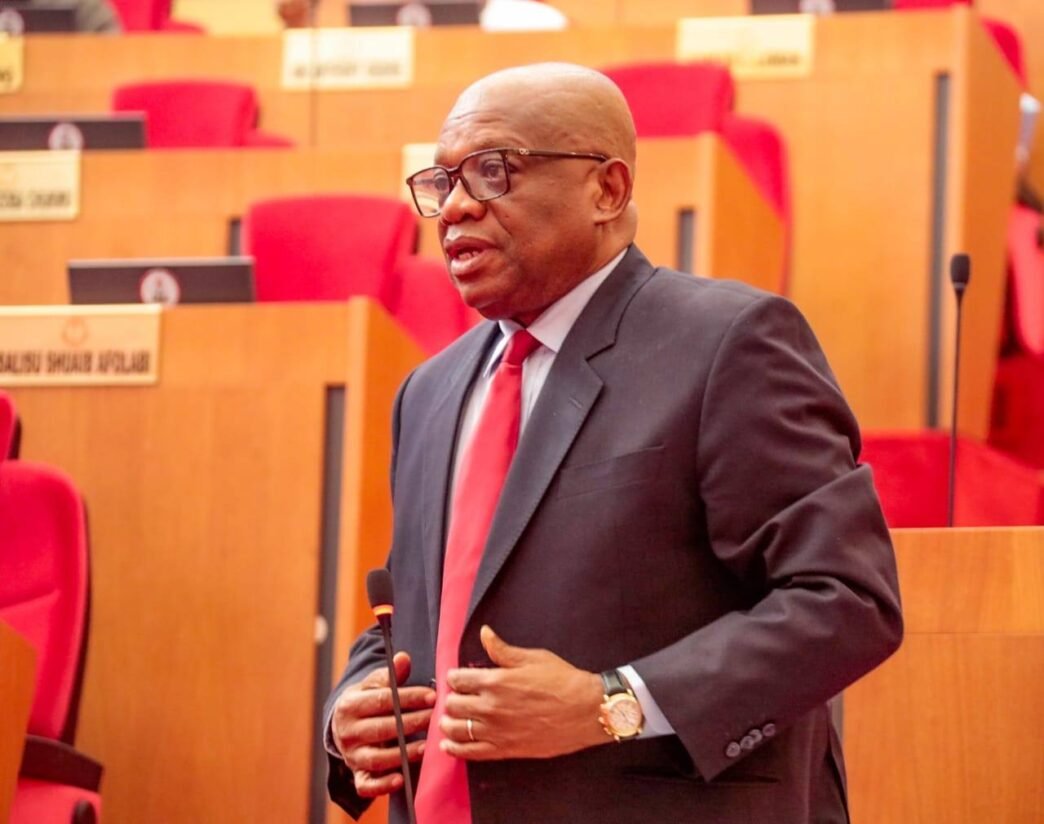
Thursday, December 4, 2025 | The Senate has passed for a Second Reading, a crucial bill aimed at revolutionizing the country’s social protection system and drastically reducing extreme poverty.
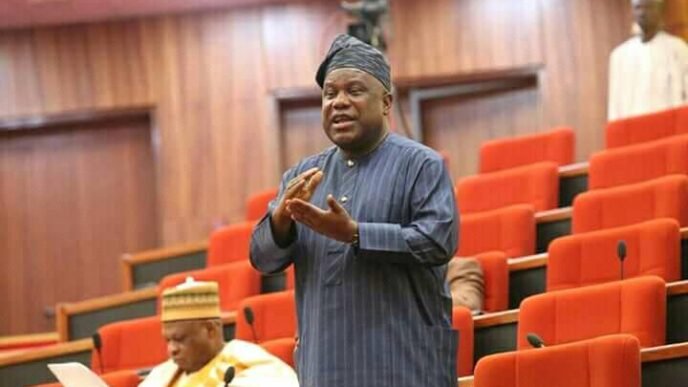
The Social Welfare Service Bill, sponsored by Sen. Orji Uzor Kalu, seeks to establish a formal, centralized, and accountable mechanism for delivering social welfare interventions nationwide.
Key Objectives and Structure
The legislation is designed to enhance and consolidate existing social welfare interventions across the country by creating the Social Welfare Service (SWS) as a new department under the ministry responsible for humanitarian affairs.
Centralized Service Delivery
- The SWS will establish offices in all 36 states and the Federal Capital Territory (FCT), ensuring that social welfare services are decentralized and accessible to vulnerable populations across all geopolitical zones.
Core Program Initiatives
The Service will be mandated to design and execute a comprehensive suite of welfare programs, including:
- Direct Support: Food and cash transfer programs.
- Essential Needs: Education stipends and housing support schemes.
- Economic Empowerment: Subsidies for marginal farmers and credit schemes for small businesses.
- Vulnerable Groups: Allowances for the elderly and persons with disabilities.
Commitment to Accountability and Impact
A cornerstone of the proposed law is its focus on accountability and measurable long-term impact:
- Safety Centres: The establishment of dedicated Safety Centres across the federation to serve as local operational bases for the programs.
- Beneficiary Register: The maintenance of a national register of beneficiaries and program graduates. This mechanism will be used to track progress, ensure resources reach the intended recipients, and measure the long-term success of participants who exit the programs.
Strict Eligibility Criteria
To prevent political interference and ensure the most vulnerable are prioritized, the bill sets out clear, objective eligibility criteria for program enrollment. These groups include:
- Households earning less than N5,000 per month.
- Day laborers with earnings below N3,000 per job.
- Low-income artisans and subsistence farmers.
- Residents of documented slum communities
The bill has been referred to the Senate Committee on Public Service for detailed consideration and legislative work. The Committee has been mandated to report back within four weeks.