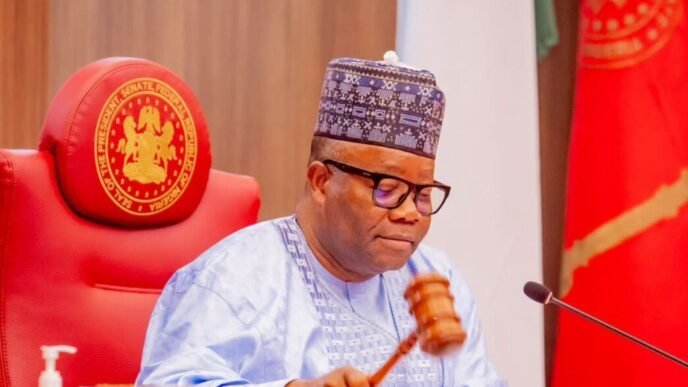
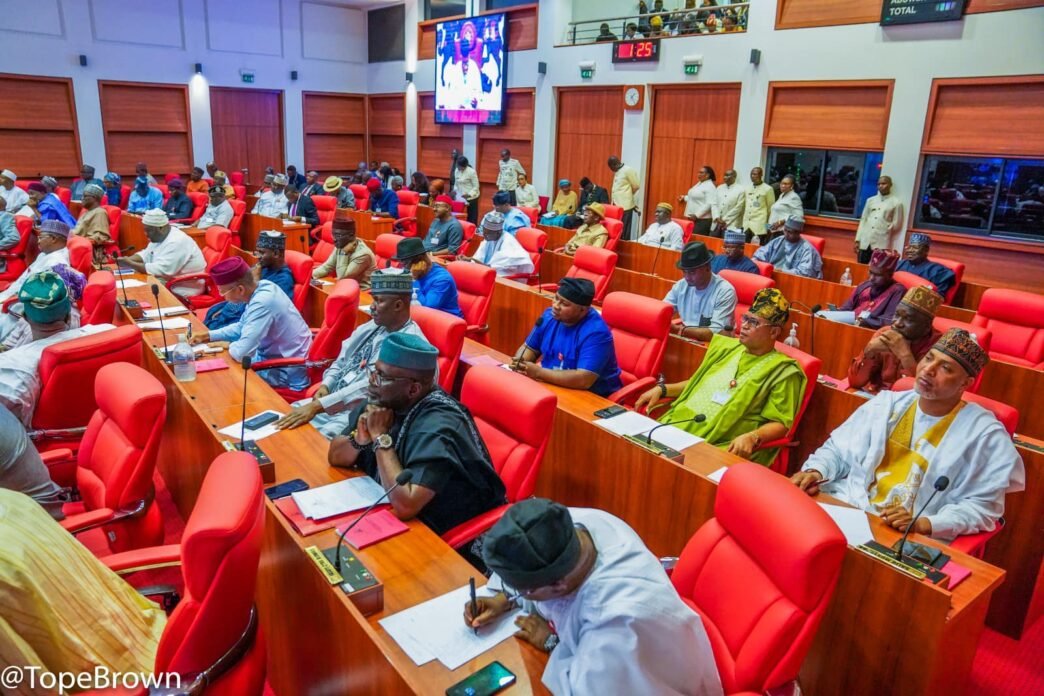
The Senate Committee on Finance has officially commended President Bola Ahmed Tinubu following the unveiling of the National Halal Economy Strategy, hailing the initiative as a “bold and strategic” masterstroke designed to integrate Nigeria into the $7.7 trillion global halal marketplace.
In a statement released by Committee Chairman, Senator Sani Musa, the legislative body praised the timing of the launch, noting that the framework aligns Nigeria with international economic leaders. Nations such as the United Kingdom, Malaysia, Brazil, and the UAE have already leveraged similar frameworks to catalyze growth in manufacturing, agriculture, and ethical finance.
The Committee emphasized that this strategy is a cornerstone of the Tinubu administration’s broader economic reform agenda. By focusing on non-oil revenue and export diversification, the initiative is expected to:
Boost GDP: Contribute an estimated $1.5 billion to Nigeria’s economy by 2027.
Job Creation: Stimulate employment through the expansion of SMEs and the manufacturing sector.
Attract Investment: Enhance foreign exchange earnings and unlock billions in domestic value over the next decade.
“This decisive step reinforces Nigeria’s readiness to adopt proven international models, unlock new economic frontiers, and establish itself as a competitive player in the evolving global economy,” stated Senator Musa.
Unveiled on Thursday, February 6, 2026, at the Presidential Villa by Vice President Kashim Shettima, the strategy is the result of a high level bilateral agreement with Saudi Arabia’s Halal Products Development Company (HPDC).
The framework is designed to be inclusive and market-driven, respecting Nigeria’s pluralistic society while elevating quality standards in:
Agriculture & Food Production
Pharmaceuticals & Cosmetics
Tourism & Hospitality
Ethical Finance
Senator Musa reaffirmed the Senate’s dedication to the success of the program, pledging robust legislative oversight and cooperation. The Committee aims to ensure regulatory clarity and long-term fiscal sustainability to protect the national interest and maximize the country’s vast agricultural and youthful human resources.