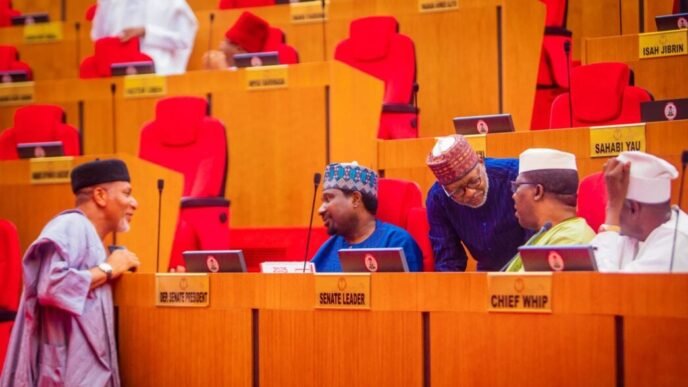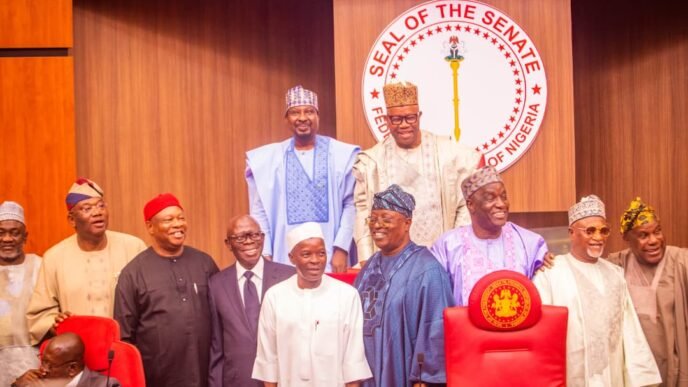
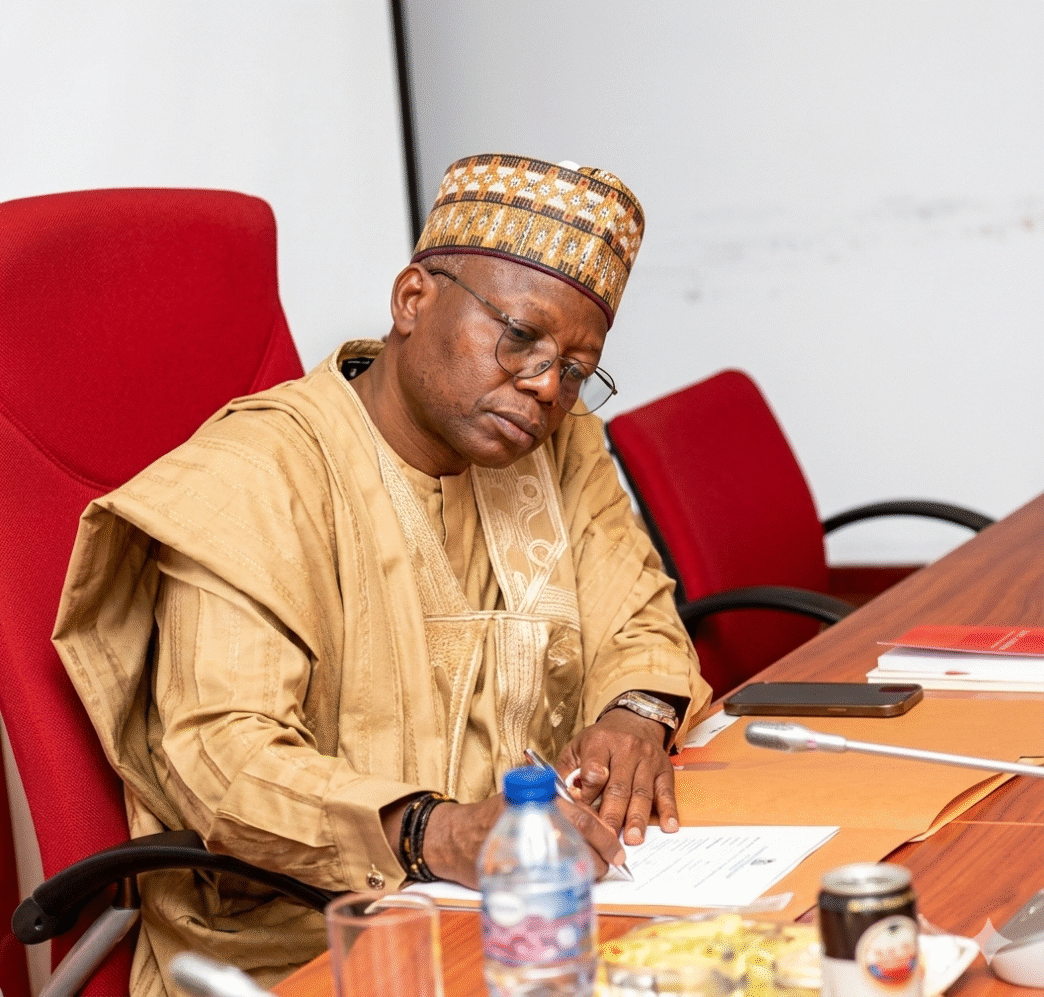
The Senate Committee on Finance has formally called on the Federal Government to dismantle the current centralized payment framework and return to a decentralized system that empowers individual Ministries, Departments, and Agencies (MDAs) to pay contractors directly.
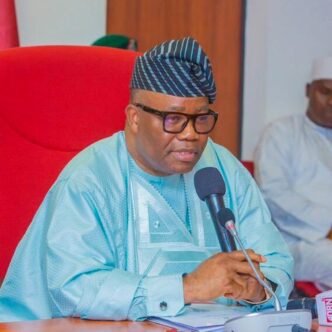
The directive was issued during a high stakes interactive session between the Committee and the Federal Government’s Economic Management Team, led by the Minister of Finance and Coordinating Minister of the Economy, Mr. Wale Edun. The move aims to resolve the persistent delays that have left numerous contractors unpaid for projects completed in 2024 and 2025.
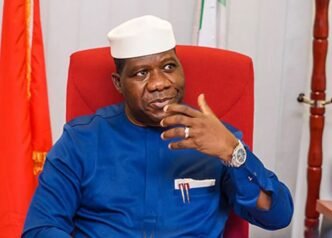
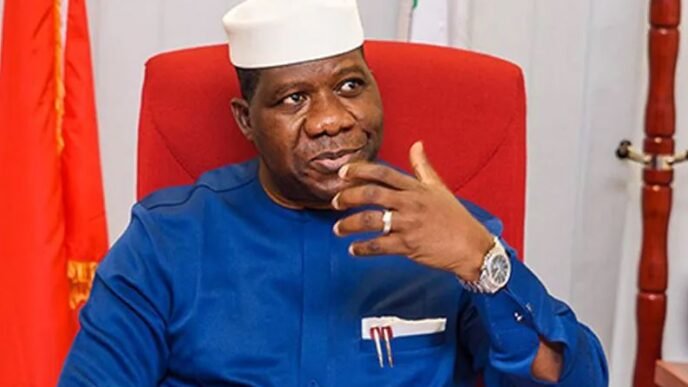
Committee Chairman, Senator Sani Musa (APC, Niger East), revealed that feedback from ongoing budget defense sessions indicates that current fiscal policies are failing to reach ordinary Nigerians. He argued that the “envelope” system which assigns fixed spending ceilings to MDAs is no longer viable.
“The envelope system of budgeting has failed and must be replaced by a priority-based model,” Senator Musa stated. “The incremental allocation model has outlived its usefulness; it promotes routine expenditure expansion rather than strategic prioritization.”
The Committee emphasized that the current centralized arrangement has become a bottleneck, stifling infrastructure development. By reverting to the old system, MDAs would regain the authority to settle accounts with the specific contractors they have engaged, ensuring a more efficient flow of capital within the economy.
Beyond payment systems, the Senate is pushing for a return to a disciplined, time-bound annual budget cycle. Senator Musa insisted that the 2026 fiscal year must represent a clean break from previous overlaps.
“We must return to a disciplined budget cycle where one fiscal year ends before another begins,” the Chairman noted. “If we cannot realistically assess our progress by December, the system is failing.”
Responding to the Committee’s concerns, Finance Minister Wale Edun provided clarity on Nigeria’s ₦152 trillion debt profile, noting that nearly half of the figure results from inherited obligations and currency adjustments rather than fresh borrowing:
- ₦30 Trillion: Inherited “Ways and Means” advances.
- ₦9 Trillion: Exchange rate adjustments.
- ₦20 Trillion: Actual additional borrowing since 2023.
Minister Edun assured the Senate that the 2026 Budget framework will focus on “growth-enhancing projects” that undergo rigorous review by the Economic Management Team and the Presidency to ensure maximum ROI for the nation.