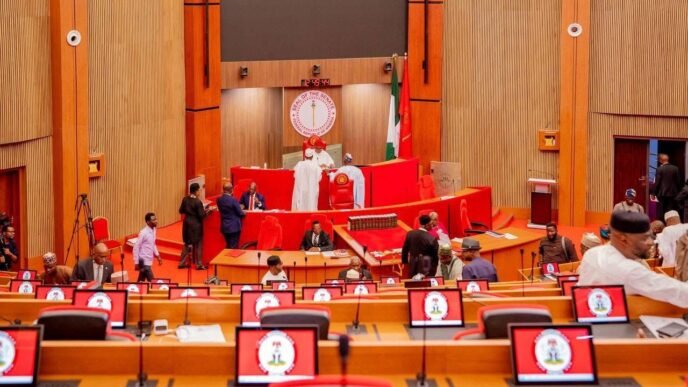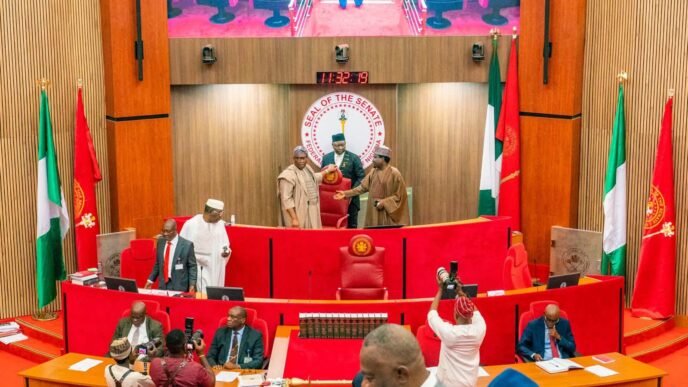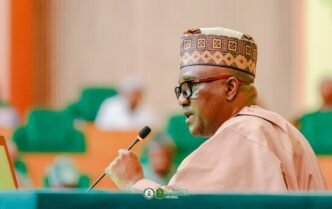
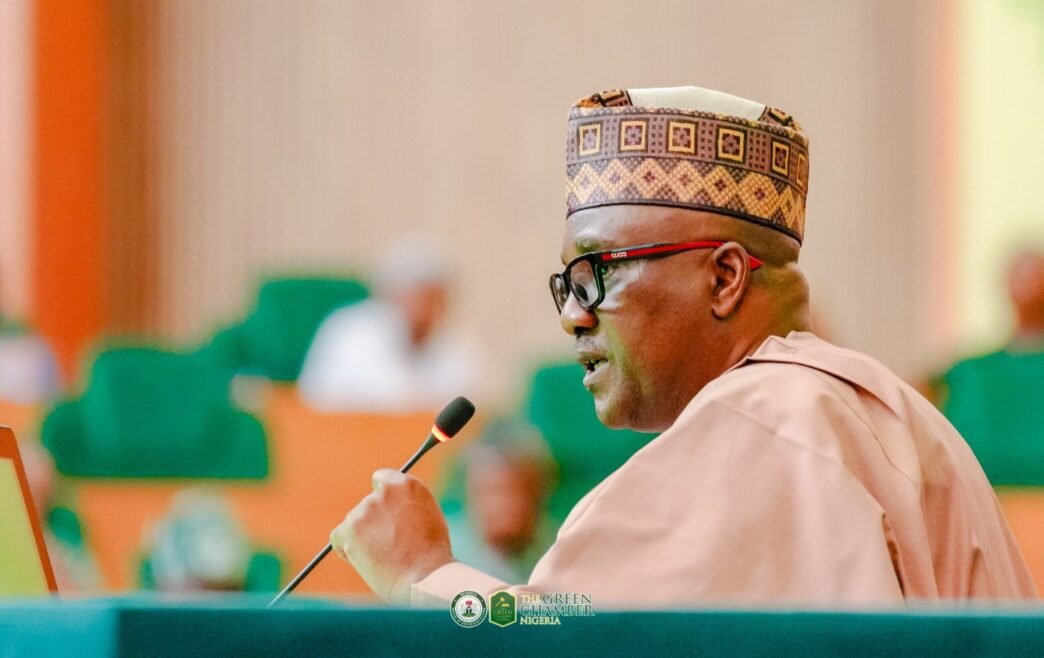
January 29, 2026 – The Federal Government’s N58.47 trillion 2026 Appropriation Bill successfully scaled the second reading in the House of Representatives on Thursday. The session, presided over by Speaker Tajudeen Abbas, followed an intensive lead debate where lawmakers analyzed the “Budget of Consolidation, Renewed Resilience and Shared Prosperity.”
Leading the debate, House Majority Leader Julius Ihonvbere characterized the record-breaking budget as a critical roadmap for a nation recovering from inherited economic distortions.
Addressing the assembly, Ihonvbere acknowledged the hardships faced by citizens while urging a focus on long-term stability:
“This budget is part of a long and difficult journey towards peace, growth, stability, and sustainable development. True development must be sustainable; temporary progress does not amount to real development.”
He further defended the administration’s fiscal strategy, noting that the path to restructuring the economy would “never be painless,” particularly as the government works with institutions shaped by decades of previous policies.
Ihonvbere outlined several macroeconomic indicators that he argued justify the massive spending plan:
Currency Stability: He noted the Naira has stabilized at approximately N1,400 to the dollar, down from previous highs of over N1,800.
Fiscal Discipline: “We have not printed a single naira since this government came into office,” Ihonvbere stated, crediting this discipline with stabilizing the economy.
Reserves & Growth: He highlighted external reserves reaching a seven-year high of $47 billion and a projected economic growth rate of 3.98%.
Budget Breakdown
The 2026 proposal shifts the focus toward capital development, with allocations exceeding recurrent spending:
Capital Expenditure: N23.21 trillion (focusing on infrastructure and the Development Fund).
Debt Servicing: N15.91 trillion.
Recurrent (Non-Debt) Expenditure: N15.25 trillion.
Statutory Transfers: N4.09 trillion.
The House Leader emphasized that the budget is anchored on human capital and security, with the following key allocations:
Security & Defence: N5.41 trillion
Infrastructure: N3.56 trillion
Education: N3.54 trillion
Health: N2.48 trillion
Following the debate and a successful voice vote, the bill has been referred to the House Committee on Appropriations. The committee is now tasked with inviting various Ministries, Departments, and Agencies (MDAs) to defend their specific allocations before the final passage.