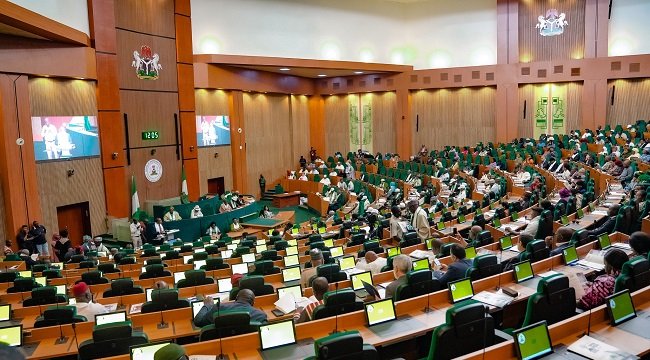
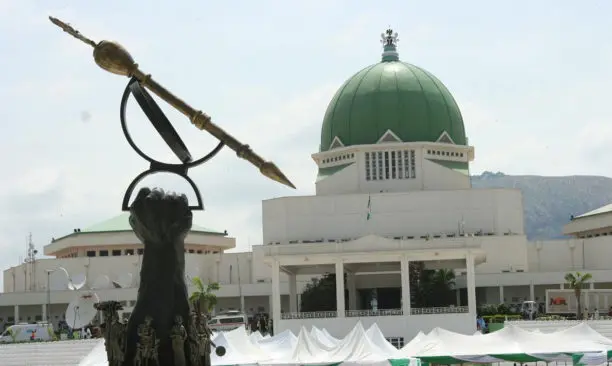
The National Assembly is set to reconvene for an emergency plenary session tomorrow, Tuesday, February 17, 2026, to address critical legislative adjustments following the release of the 2027 General Election timetable by the Independent National Electoral Commission (INEC).
The decision to interrupt the ongoing budget defense recess comes amid mounting public concern over the election dates February 20th and March 6th, 2027 which coincide with the holy month of Ramadan.
To address the scheduling conflict, the House of Representatives plans to rescind and recommit the Electoral Act (Repeal and Re-Enactment) Bill. A key objective of this emergency session is to adjust the statutory notice period for elections.
Proposed Change: Reducing the mandatory notice period for elections from 360 days to 300 days.
Purpose: This amendment will provide INEC with the necessary “legal flexibility” to shift election dates to a period that does not conflict with major religious observances, thereby ensuring maximum voter participation.
The move by the National Assembly follows widespread calls for a review from prominent leaders and Islamic organizations, including former Vice President Atiku Abubakar and the Ansar-Ud-Deen Society. Critics argued that holding national polls during Ramadan a period of fasting and spiritual devotion—could disenfranchise millions of Muslim voters and complicate logistical coordination.
“In a plural and multi-faith society such as Nigeria, sensitivity to religious observances is not a concession but a democratic necessity,” stated Yabagi Yusuf Sani, National Chairman of the Action Democratic Party (ADP).
While INEC initially defended the dates as being in “strict compliance” with current laws (which mandate elections on the third Saturday of February), the Commission has acknowledged the feedback. Mohammed Haruna, INEC National Commissioner, indicated that while the body follows extant laws, it is open to legislative interventions that remain consistent with constitutional requirements.
The Clerk to the National Assembly, Kamoru Ogunlana, and the Chief of Staff to the Speaker, Prof. Jake Dan-Azumi, emphasized the “constitutional and national importance” of the session. Lawmakers are expected to conclude all legislative processes regarding the amendment within the single-day sitting to allow for immediate implementation.
The outcome of tomorrow’s session is expected to provide a definitive path forward for a more inclusive 2027 electoral roadmap that balances statutory mandates with Nigeria’s social and religious realities.