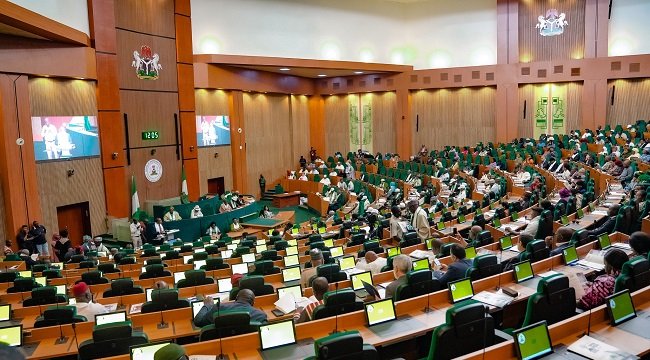
Following an emergency plenary session on Tuesday, February 17, the National Assembly passed the Electoral Act, 2022 (Repeal and Re-Enactment) Bill 2026. This follows Monday’s Conference Committee meeting, which was convened to harmonize discrepancies between the two chambers. In a significant move toward legislative alignment, the House of Representatives adopted the Senate’s position on the transmission of results, while the Senate introduced further amendments to the election notice period.
Election Timetable
In the Senate, lawmakers began clause-by-clause consideration of the Electoral Act, 2022 (Repeal and Re-Enactment) Bill 2026, following a motion to rescind the earlier amendment, moved by Senate Leader Opeyemi Bamidele.
Before rescinding the Electoral Act, the red chamber raised concerns over the timing of the 2027 general elections and technical inconsistencies in the legislation.
Rising under Order 52(6) of the Senate Standing Orders, the Senate leader, Opeyemi Bamidele, moved the motion to reverse the earlier passage of the bill and return it to the Committee of the Whole for fresh deliberations.
He explained that the development follows the announcement by the Independent National Electoral Commission (INEC) of a timetable fixing the 2027 general elections for February 2027, after consultations with the leadership of the National Assembly.
He stated that stakeholders had raised concerns that the proposed date conflicts with the provisions of the amended law, particularly the requirement that elections be scheduled not later than 360 days before the expiration of tenure.
He further noted that upon critical review of the passed bill, the 360-day notice requirement prescribed in Clause 28 could result in the scheduling of the 2027 Presidential and National Assembly elections during the Ramadan period.
Read More: Senate Amends Electoral Act to Grant INEC Timetable Flexibility Amid Ramadan Concerns
According to him, holding elections during Ramadan could negatively affect voter turnout, logistical coordination, stakeholder participation, and the overall inclusiveness and credibility of the electoral process.
The motion also highlighted discrepancies discovered in the Long Title and several clauses of the bill, including Clauses 6, 9, 10, 22, 23, 28, 29, 32, 42, 47, 51, 60, 62, 64, 65, 73, 77, 86, 87, 89, 93, and 143. The identified issues reportedly affected cross-referencing, serial numbering, and internal consistency within the legislation.
Reps Approve Clause 60 Amendment
The Chairman of the House of Representatives Committee on Rules and Business, Francis Waive, moved a motion for the House to rescind its decision on the bill, which was passed on December 23, in line with the Senate’s position on real-time electronic transmission of election results contained in Clause 60(3).
When the House of Representatives passed the Electoral Act in December 2025, it adopted the compulsory real-time transmission of election results to IReV.
The clause it approved said, “presiding officer shall electronically transmit the results from each polling unit to the IReV portal in real time, and such transmission shall be done after the prescribed form EC8A has been signed and stamped by the presiding officer and/or countersigned by the candidates or polling unit agents, where available at the polling unit”.