February 18, 2026 — Tensions flared at the National Assembly this week as the Joint Committee on Interior expressed “strong dissatisfaction” over the total lack of capital funding for the Ministry of Interior during the 2025 fiscal year.
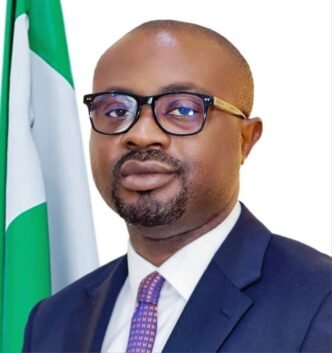
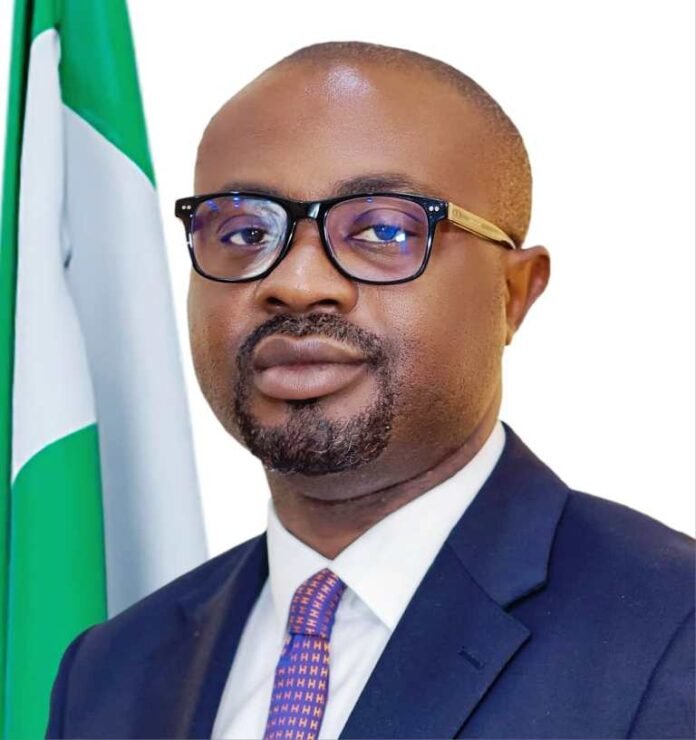
The outcry occurred during the 2026 budget defense session led by the Minister of Interior, Dr. Olubunmi Tunji-Ojo. Despite high-profile reforms and visible improvements in paramilitary services, lawmakers were shocked to discover that zero percent of the ministry’s capital allocation for the previous year had been released by the Treasury.
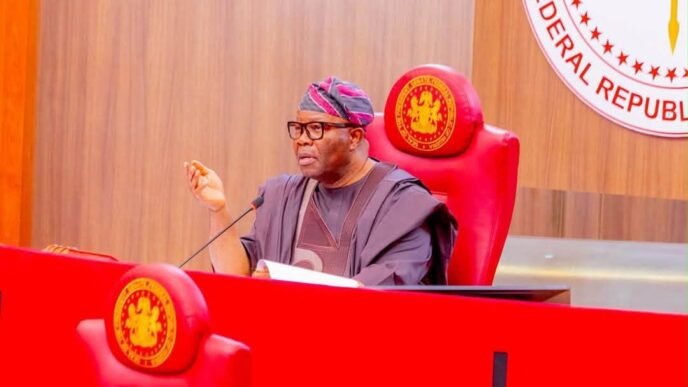
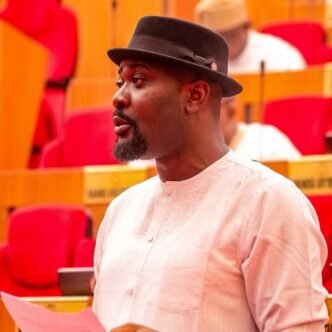
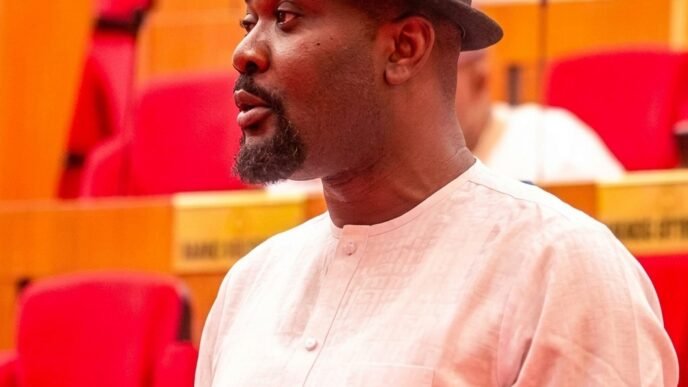
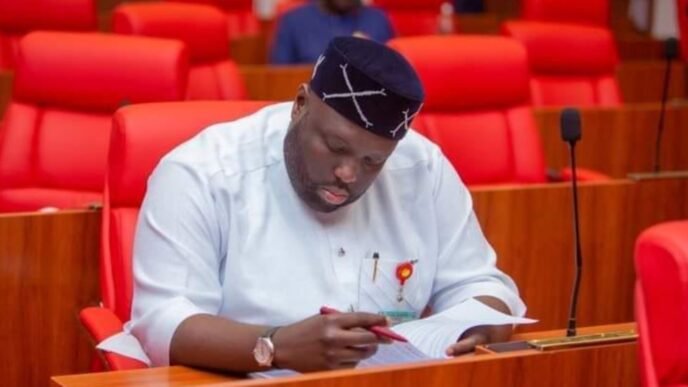
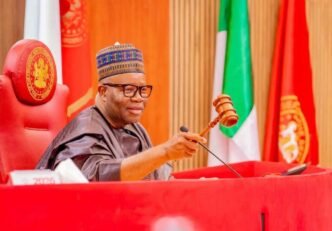
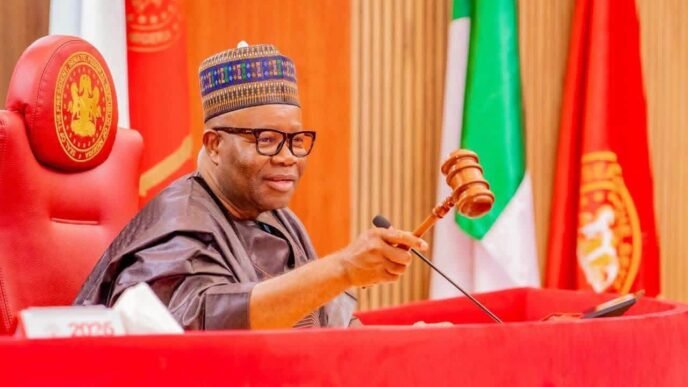
Lawmakers, led by the Chairman of the Senate Committee on Interior, Senator Adams Oshiomhole, and his House counterpart, described the funding freeze as a “serious blow” to national security and institutional efficiency.
The committee noted a troubling paradox: while the Ministry is being tasked with massive technological upgrades and prison reforms, the financial tools to execute them have been withheld.
Stalled Projects: Critical infrastructure for the Nigerian Correctional Service and advanced surveillance tools for the Nigeria Immigration Service (NIS) remain in limbo.
Recruitment Delays: The committee also tasked the Civil Defence, Correctional, Immigration, and Fire Service Board to expedite stalled recruitment processes, noting that thousands of applicants are still waiting for results.
Despite the fiscal standoff, the National Assembly showered praise on Dr. Tunji-Ojo for his “transformative leadership.” Senator Oshiomhole remarked that the “new face” of the Nigeria Immigration Service at airports has boosted the country’s international image.
“The reforms are yielding appreciable results,” Oshiomhole said. “But the problem of abysmal releases of funds must be addressed first. We cannot expect you to drive a harvest of potential with zero percent release.”
The Interior Ministry is not alone. The 2026 budget defense sessions have exposed a wider trend across several key sectors:
Solid Minerals: Also reported zero capital release for 2025, leading to calls for “first-line charge” funding status.
Health: Reportedly received only N36 million out of a N218 billion capital budget in 2025.
Contractor Debt: Lawmakers noted that local contractors are currently owed over N4 trillion for projects that were approved but never funded.
The National Assembly has warned that it may withhold approval for the Office of the Accountant-General of the Federation (OAGF) until a clear roadmap for capital releases is established. Lawmakers are demanding to know why, despite a reported N28 trillion in generated revenue and the removal of fuel subsidies, capital votes for essential ministries remain empty.
The Senate Finance Committee has signaled that the current “envelope budgeting” system is failing and is pushing for a shift toward performance-based funding to ensure that “Budget 2026” does not suffer the same fate as its predecessor.