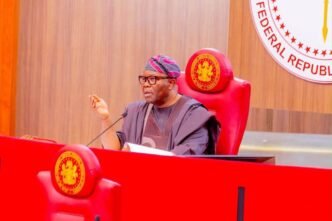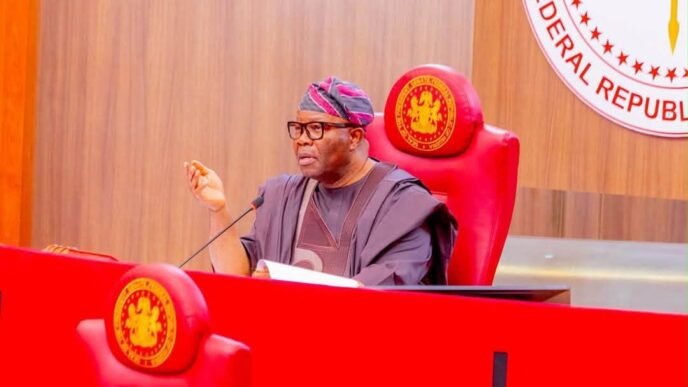
The House of Representatives has moved a step closer to green-lighting a historic fiscal package for the nation’s capital. On Thursday, lawmakers progressed the Federal Capital Territory (FCT) 2026 Statutory Appropriation Bill to its second reading, eyeing a total expenditure of ₦2.201 trillion.
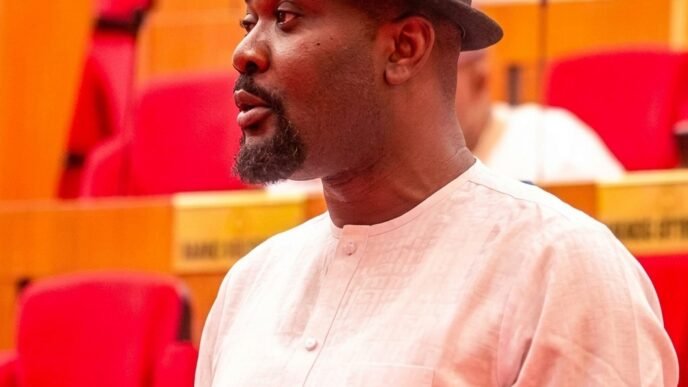
Presented by House Leader Hon. Julius Ihonvbere the bill outlines a bold spending plan for the financial year ending December 31, 2026. The budget is notably “capital-heavy,” signaling a continued push for infrastructural transformation within the FCT.
The 2026 proposal prioritizes physical development, with over 75% of the total budget earmarked for capital projects. Here is how the ₦2.2 trillion is distributed:
Capital Projects ₦1,657,092,043,617; Infrastructure, roads, and public works.
Overhead Costs ₦378,231,411,697 ; Day-to-day running of the FCT Administration.
Personnel Costs ₦165,775,220,839; Salaries and employee-related expenses.
The allocation of ₦1.657 trillion to Capital Projects reflects the administration’s aggressive stance on completing ongoing road networks and expanding urban utilities to handle Abuja’s rapidly growing population.
In contrast, the relatively lean Personnel Cost (₦165.7 billion) suggests an attempt to maintain a streamlined workforce while pouring the bulk of the “Statutory Revenue Fund” into tangible assets that benefit residents and investors alike.
With the bill passing its second reading, it will now move to the relevant House Committees for further legislative scrutiny. During this phase, various secretariats under the FCT Administration are expected to appear before the House to defend their specific allocations.
Given the scale of the ₦2.2 trillion figure, lawmakers are expected to pay close attention to the revenue generation strategies intended to fund this ambitious “Service of the Federal Capital Territory.”