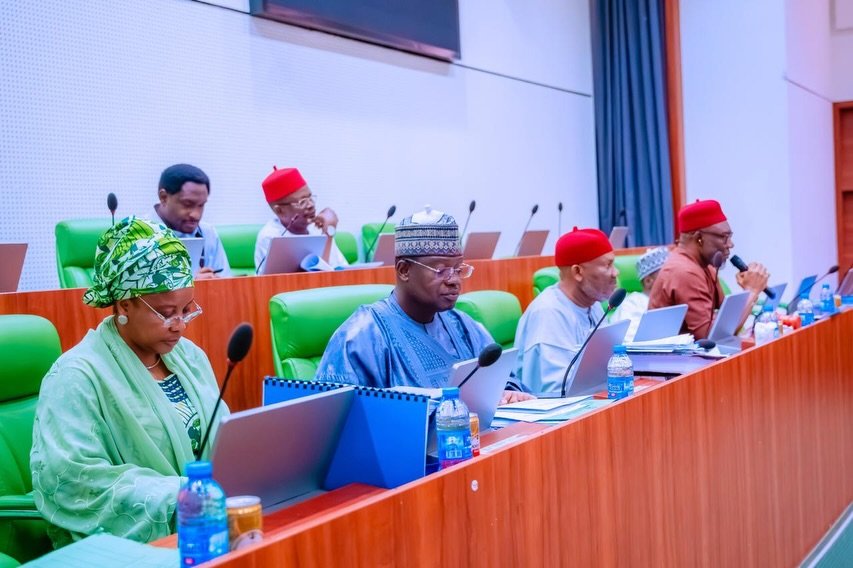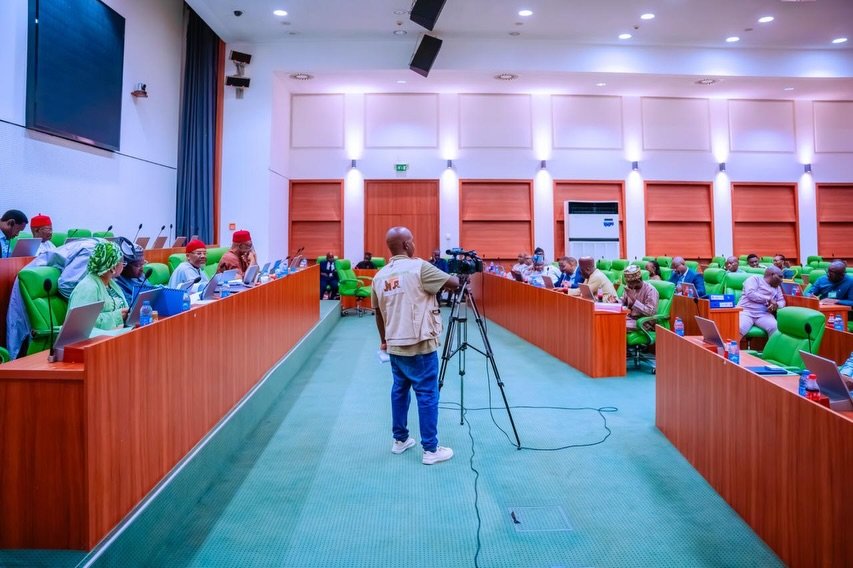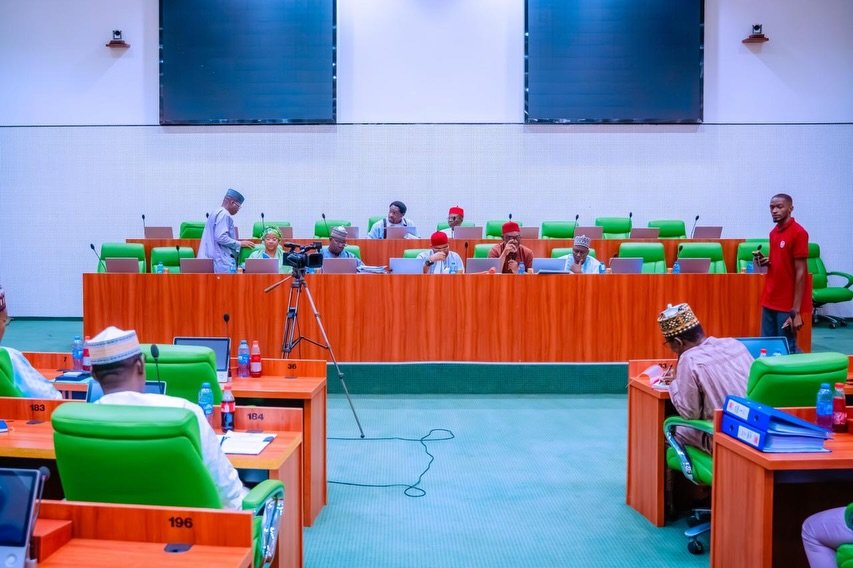

Hon. Kafilat Ogbara joined the Ad-Hoc Committee on Power Sector Reform to scrutinize the nation’s energy crisis last week, convening for a high stakes investigative hearing.

The proceedings at the National Assembly underscore a growing legislative determination to dismantle the systemic bottlenecks that have plagued Nigeria’s electricity supply for decades.
During the session, the committee engaged with key stakeholders to examine the utilization of massive public funds injected into the sector. Hon. Ogbara and the committee members focused on a granular review of expenditures, demanding transparency from agencies across the three main pillars of the industry:
Generation: Assessing the output capacity of power plants.
Transmission: Identifying the technical limitations of the national grid.
Distribution: Evaluating the efficiency of service delivery to end-users.
Despite the significant financial commitments made by the federal government over the years, the committee highlighted a glaring disconnect between funding and the reality of frequent grid collapses and inadequate supply.
Hon. Ogbara emphasized that the committee is no longer accepting vague reports. The lawmakers are currently demanding verifiable data and total cooperation from energy agencies to reconcile discrepancies in previously presented figures.
The investigation aims to uncover inefficiencies and address the legacy debts that continue to stifle the sector’s growth.
“Our goal is not just to review the past, but to chart a path forward,” the committee’s mission reflects. “This is about restoring systems that work and ensuring the power sector truly serves the Nigerian people.”
As a core member of the Ad-Hoc Committee, Hon. Ogbara remains steadfast in her commitment to ensuring the probe yields more than just reports. Her legislative focus remains on driving meaningful outcomes specifically, reforms that translate into stable electricity access for every Nigerian household.
The committee’s work continues this week as they move closer to identifying the root causes of the sector’s failure and proposing a sustainable roadmap for the future.