
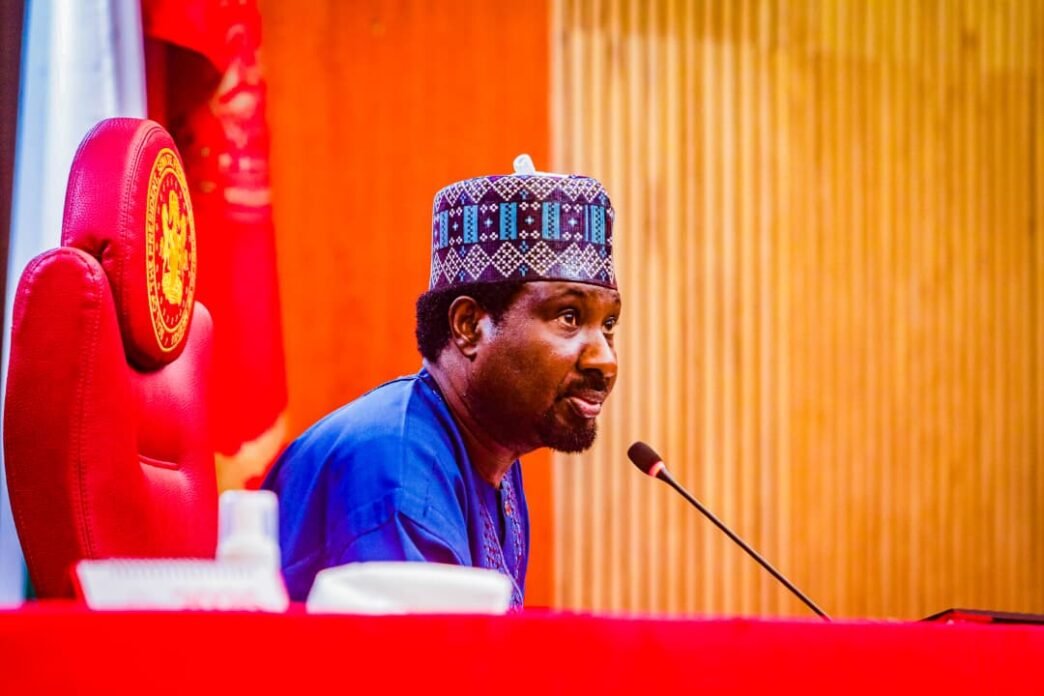
In a major step toward enhancing scientific research and professional standards, a bill seeking to establish the Microbiology Council of Nigeria has successfully scaled second reading in the Senate.
Sponsored by the Deputy President of the Senate, Senator Barau Jibrin, the bill aims to create a dedicated regulatory body that will oversee the profession, set stringent practice standards, and boost competence across the field of microbiology nationwide. Following a robust plenary debate, the bill has been referred to the relevant Senate committee for further legislative scrutiny.
Leading the debate, Senator Barau emphasized that the absence of a centralized regulatory authority has historically hindered the growth, structure, and professional development of microbiology in Nigeria. The proposed council is designed to fix these structural gaps, ensuring that practitioners meet global benchmarks.
The bill seeks to regulate and control the profession of microbiology to enhance the professional conduct of microbiologists. Establishing this council will improve competence among practitioners and strengthen the vital contributions of microbiology to public health, food safety, and environmental protection.
Senator Barau Jibrin
Once fully enacted, the Microbiology Council of Nigeria will function as the primary authority responsible for: setting national professional standards and monitoring practice; enforcing ethical conduct among microbiologists in laboratory, industrial, and research settings; advancing scientific research and development to tackle emerging public health and environmental challenges; and operating as a completely self-financing institution that will not place any financial burden on the Federal Government’s budget.
The legislation received overwhelming support from lawmakers on the Senate floor, who widely praised the bill as a timely intervention. Senators noted that establishing a formal council is critical for strengthening Nigeria’s scientific infrastructure, protecting intellectual output, and ensuring safer laboratory and industrial practices.
With the successful completion of its second reading, the bill now moves to the committee stage. The assigned committee will conduct detailed reviews and stakeholder consultations before presenting a final report back to the Senate for a third reading and final passage.