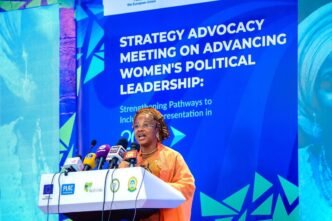
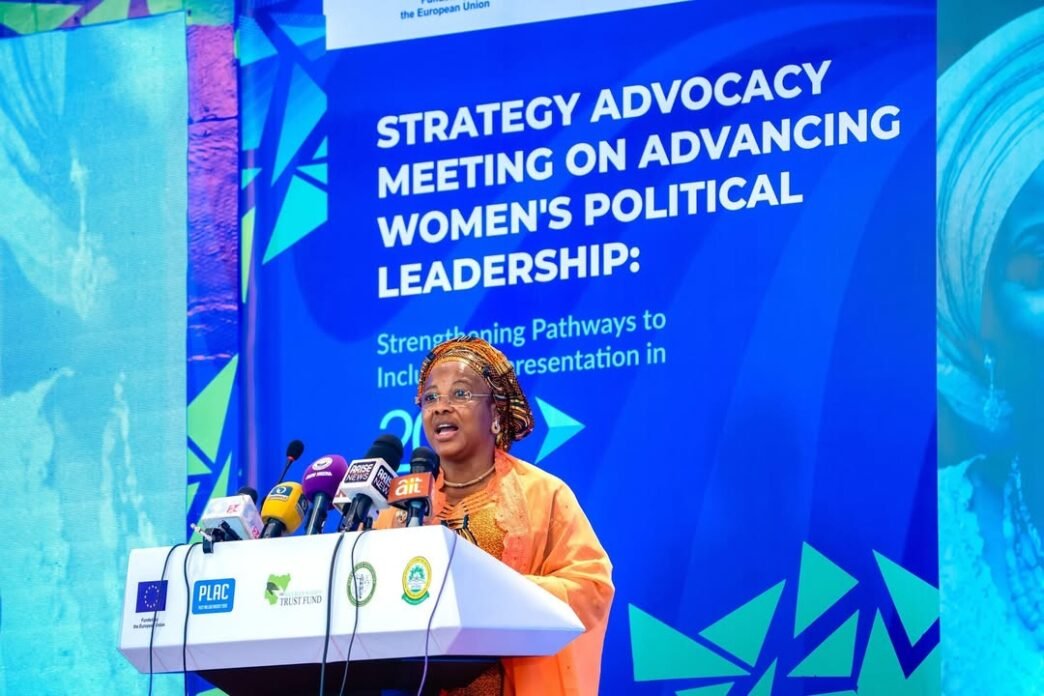
Hon. Kafilat Ogbara, Chairperson of the House Committee on Women Affairs and Social Development, has called for a decisive shift from political dialogue to concrete legislative results in the quest for inclusive representation in Nigeria.
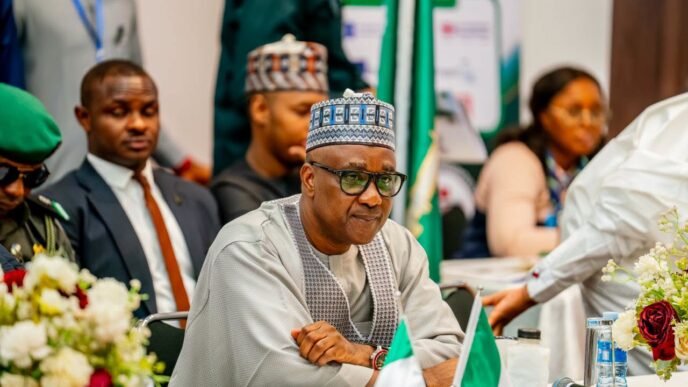
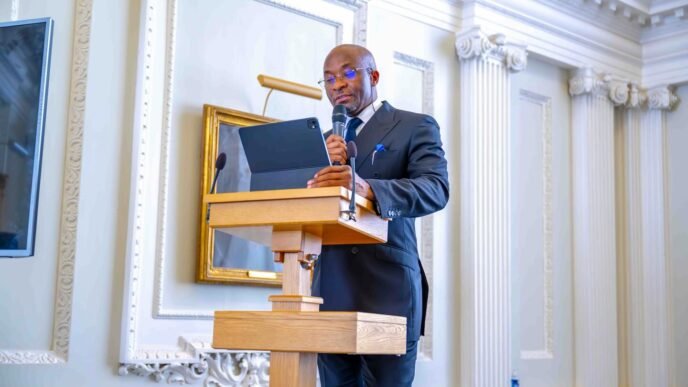
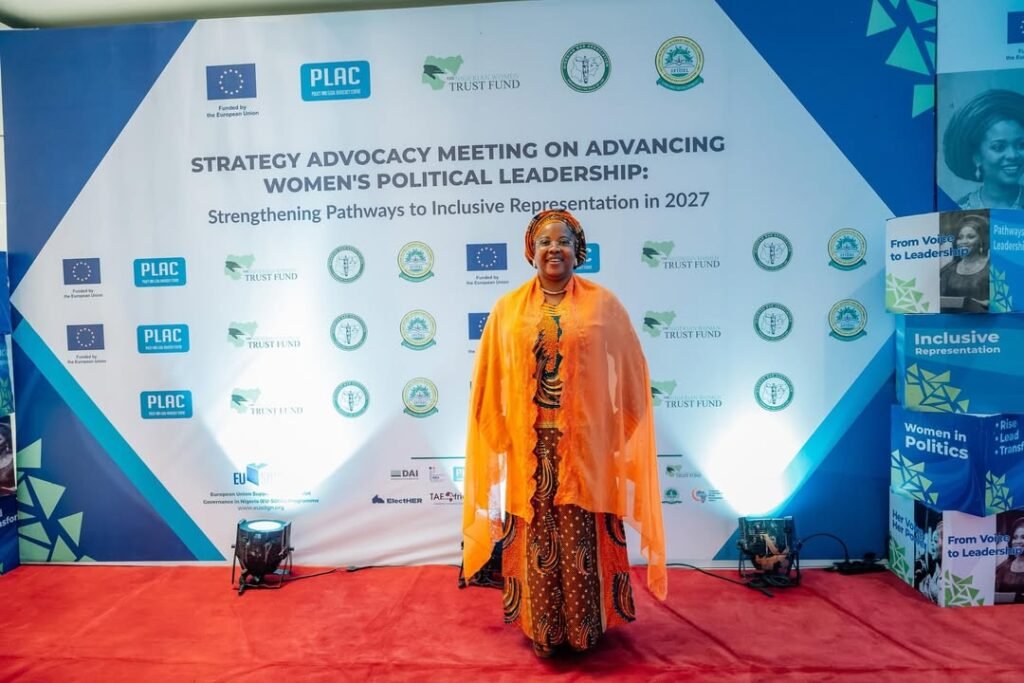
Speaking at a Strategic Advocacy Meeting on Women’s Political Leadership and Inclusive Representation – organized under the European Union Support to Democratic Governance in Nigeria (EU-SDGN) programme – Hon. Ogbara addressed the critical “Special Seats Bill,” outlining the progress, priorities, and necessary next steps for its passage.
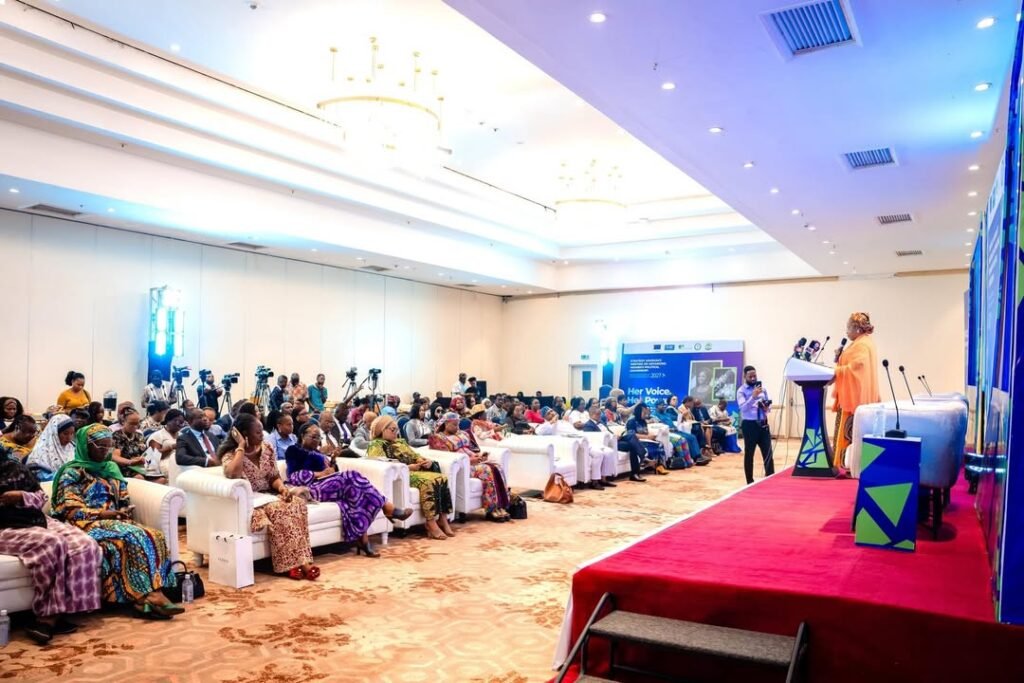
In a sobering reflection on Nigeria’s democratic journey since 1999, Hon. Ogbara noted that while the nation has seen significant civic growth, the gender gap in leadership remains a persistent stain on its progress. She revealed that in the 25 years of the Fourth Republic, only about 157 women have been elected to the National Assembly.
“This imbalance highlights the urgent need for intentional reforms that strengthen our democracy,” Ogbara stated, emphasizing that women’s contributions to nation-building have been undeniable, yet their presence in decision-making chambers remains disproportionately low.
Hon. Ogbara identified the current Constitution Review process as a pivotal moment for Nigeria. She advocated for the Special Seats Bill, describing it as a transformative proposal designed to dismantle long-standing barriers such as: socio-cultural norms that discourage female leadership, financial constraints, high costs of political campaigning and political gatekeeping within party structures.
She clarified that the bill is not a request for unearned privilege, but rather a “deliberate pathway” to ensure that the diversity of the Nigerian people is accurately reflected in its governance. With the 2027 general elections on the horizon, the lawmaker stressed that the work ahead requires a unified front. She outlined a strategic roadmap that includes securing support across various State Houses of Assembly, ensuring the bill survives the rigorous amendment process, and strengthening alliances to mentor emerging female leaders and shape party structures from within.
Hon. Ogbara reaffirmed her commitment to championing policies that elevate women’s participation. She urged stakeholders to move “from intent to impact,” calling for a legacy where inclusive governance is no longer a goal, but a reality.
“It is time to move from dialogue to concrete results,” she concluded, “ensuring our democracy reflects the diversity of the people it serves.”