The Senate on Wednesday, raised an alarm over the escalating wave of indiscipline cutting across various sectors of Nigerian society, warning that the unchecked culture of lawlessness poses a severe threat to national security, economic growth, and democratic governance.
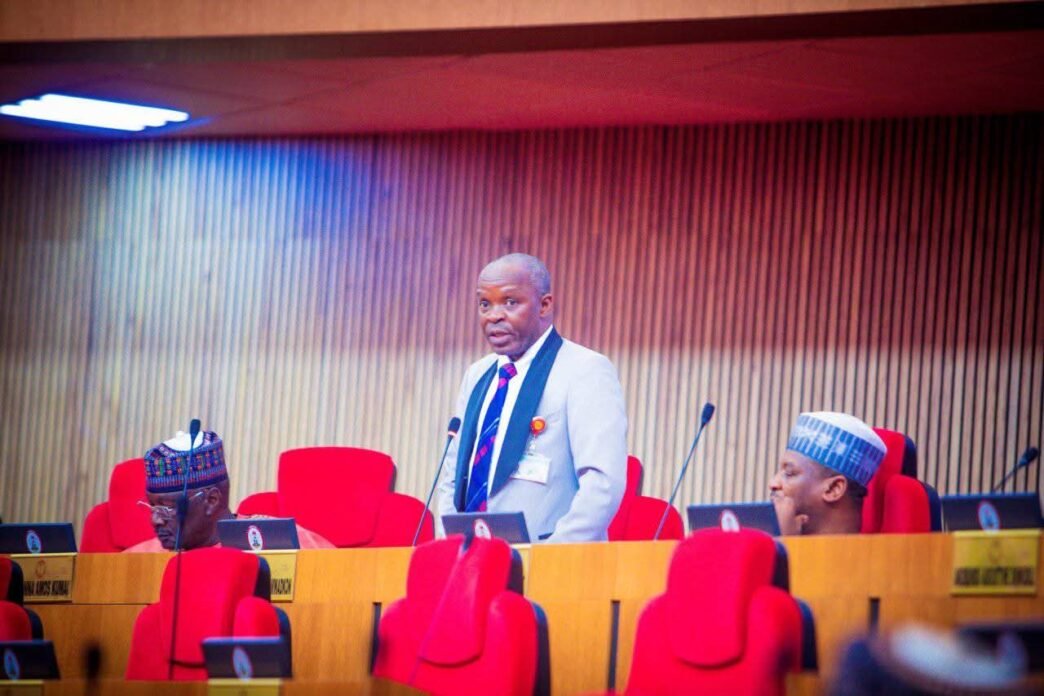
The warning followed a motion titled “The Growing Menace of Indiscipline in Nigerian Society,” sponsored by Senator Dachung Pam Mwadkon (Plateau North), which drew urgent attention to the erosion of foundational societal values and the weakening of public institutions.
Leading the debate, Senator Mwadkon noted that discipline remains an indispensable prerequisite for national development, public order, and social cohesion. However, the upper legislative chamber observed a disturbing, widespread manifestation of anti-social behavior in daily public life.
Among the critical areas of concern highlighted in the motion were pervasive traffic violations, public disorder, vandalism, the deliberate abuse of public facilities, workplace misconduct, protocol breaches at official public functions, growing political intolerance, and the reckless use of social media platforms.
The Senate emphasized that these infractions are not merely isolated incidents but are backed by worrying reports from communities, civil society organizations, educational institutions, and the media. Lawmakers linked this behavioral decline directly to the rise in youth violence, systemic insecurity, and a broader erosion of public confidence in governance.
In analyzing the crisis, the Senate acknowledged that the drivers of societal indiscipline are complex and deeply entrenched. The motion identified key structural and social vulnerabilities fueling the trend, noting that the causes of indiscipline are multifaceted and driven by inadequate civic education, poor parenting, youth unemployment, poverty, and peer pressure.
This is further compounded by a weak enforcement of laws, abuses of authority, and a pervasive culture of impunity. Legislators warned that if the country fails to address the breakdown of moral values and the weakening of traditional and social institutions, Nigeria risks deeper social disintegration, heightened criminality, and political unrest.
The Senate maintained that sustainable national development can only thrive where citizens actively observe their civic responsibilities and institutions enforce laws fairly and consistently. However, lawmakers noted that government action alone cannot fix a cultural shift; a collective approach is required.
The motion identified government bodies, schools, traditional and religious leaders, civil society organizations, the media, and individual families as critical stakeholders who must play an active role in restoring civic responsibility.
To reverse the trend, the Senate unanimously adopted a series of resolutions.
First, the upper chamber expressed deep concern over the situation, issuing a formal call to action for all national stakeholders to take urgent measures to restore discipline, civic responsibility, and absolute respect for the rule of law.
Second, it urged the Federal Government, through relevant Ministries, Departments, and Agencies, to design and deploy a comprehensive National Re-Orientation and Civic Responsibility Programme to champion patriotism, integrity, and responsible citizenship.
Third, it urged the Federal Government to strengthen youth development, skills acquisition, job creation, and targeted social intervention programs to mitigate the poverty and unemployment that underlie these social issues.
Fourth, it called on public office holders, political parties, public institutions, and community leaders to model exemplary conduct, accountability, and integrity to inspire the public.
Finally, the Senate mandated State Governments, Local Government Councils, traditional and religious institutions, and educational establishments to aggressively intensify public enlightenment campaigns focused on moral values and respect for constituted authority.