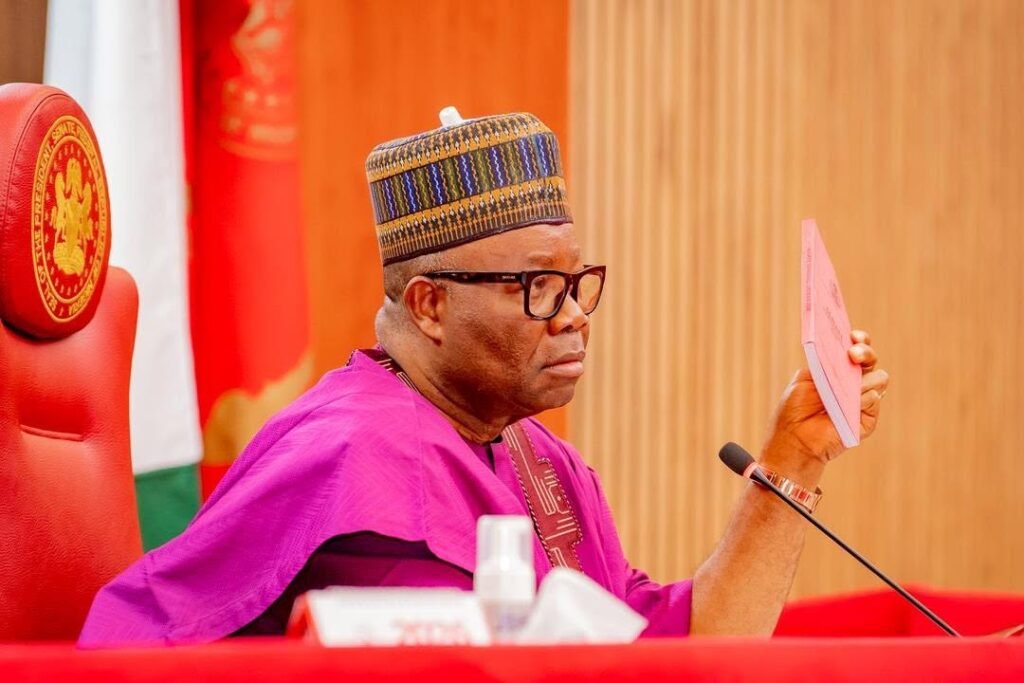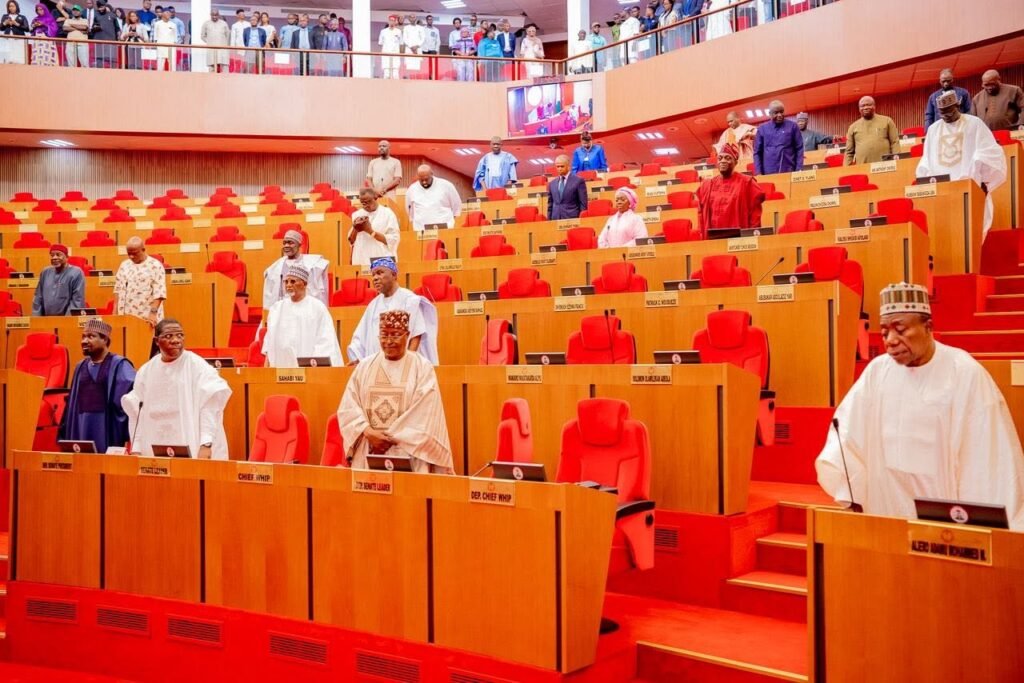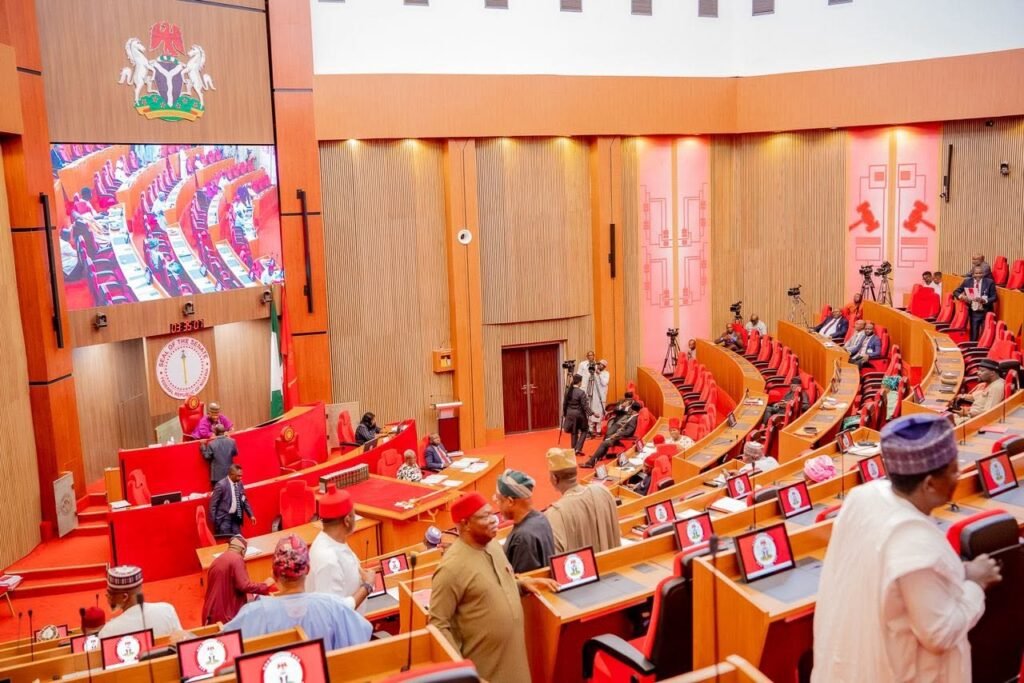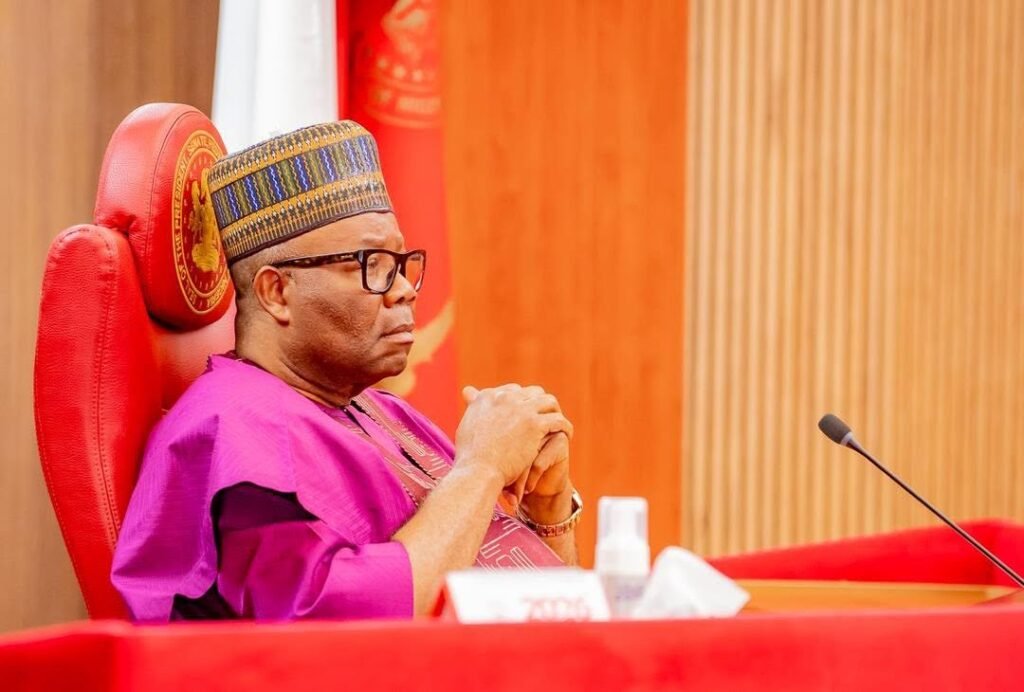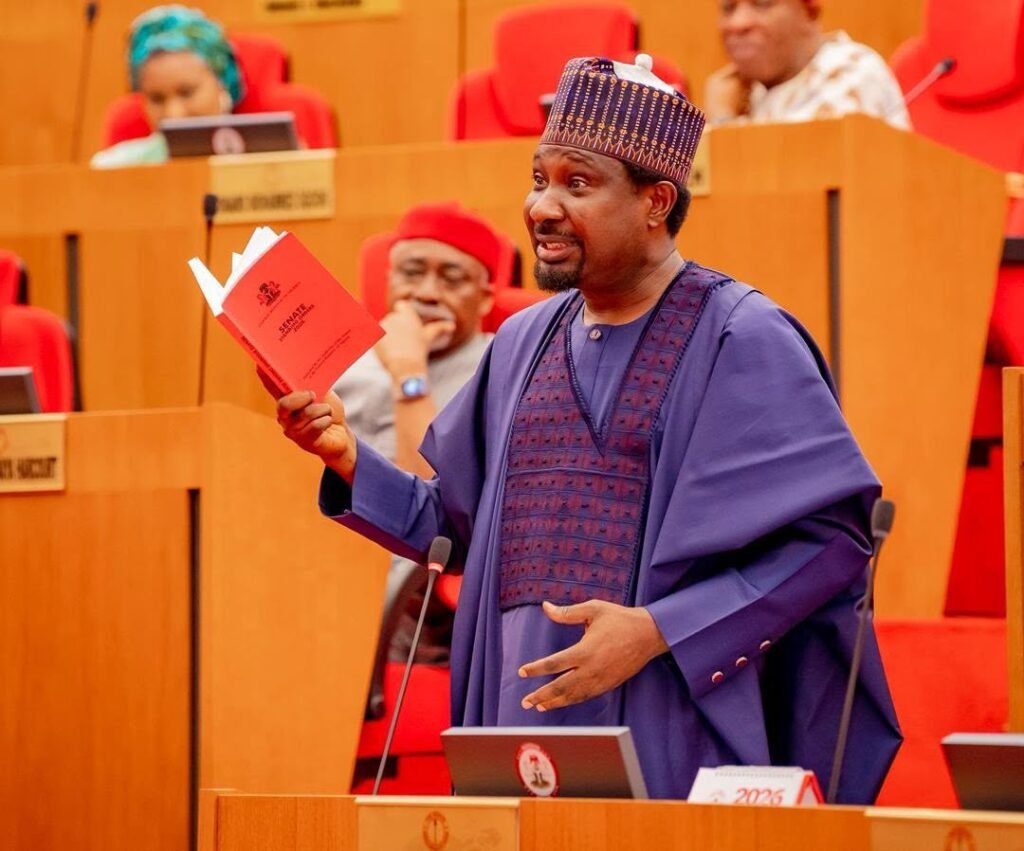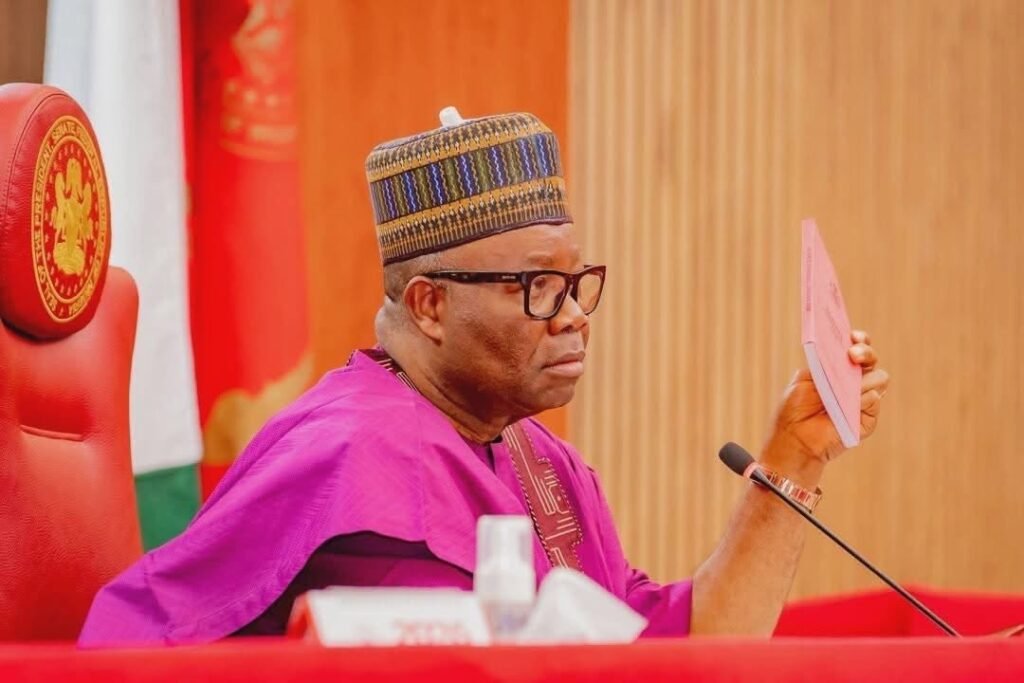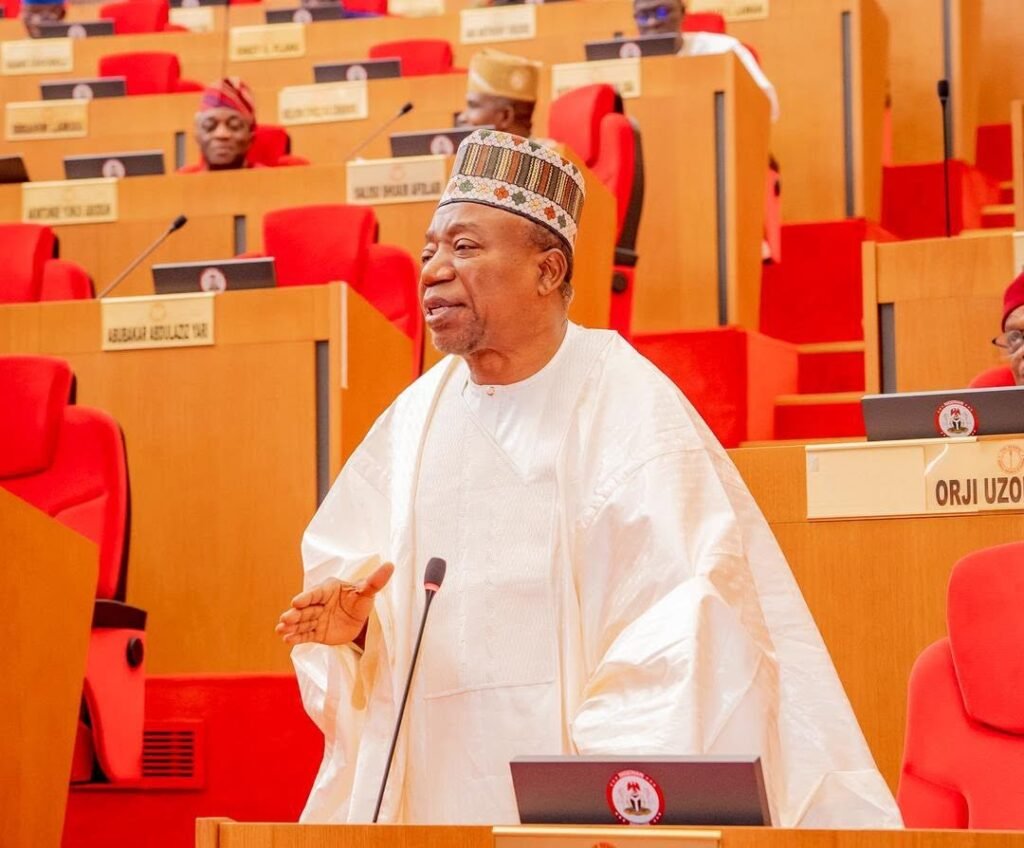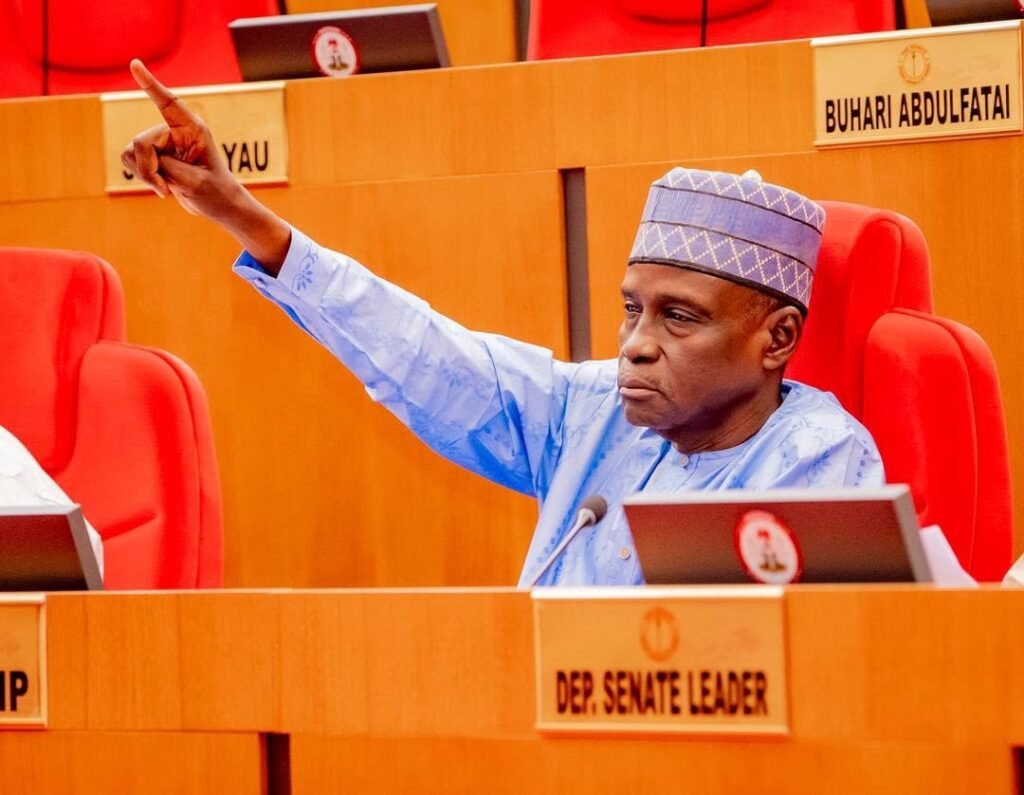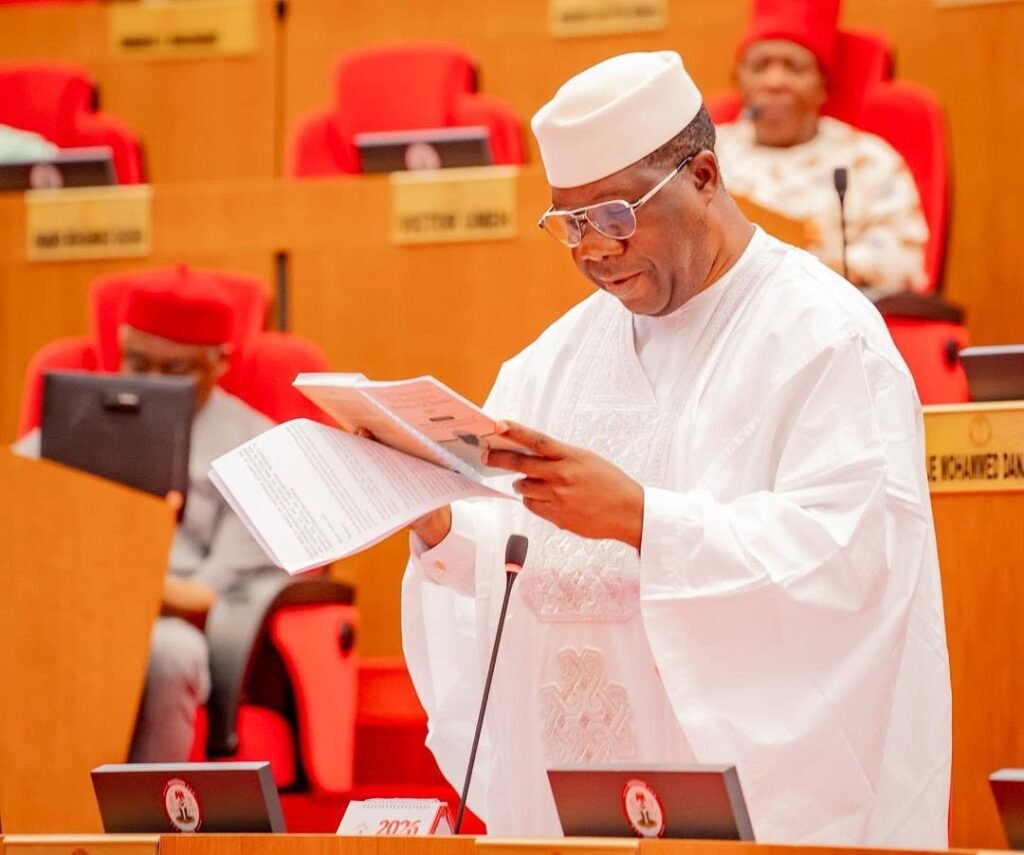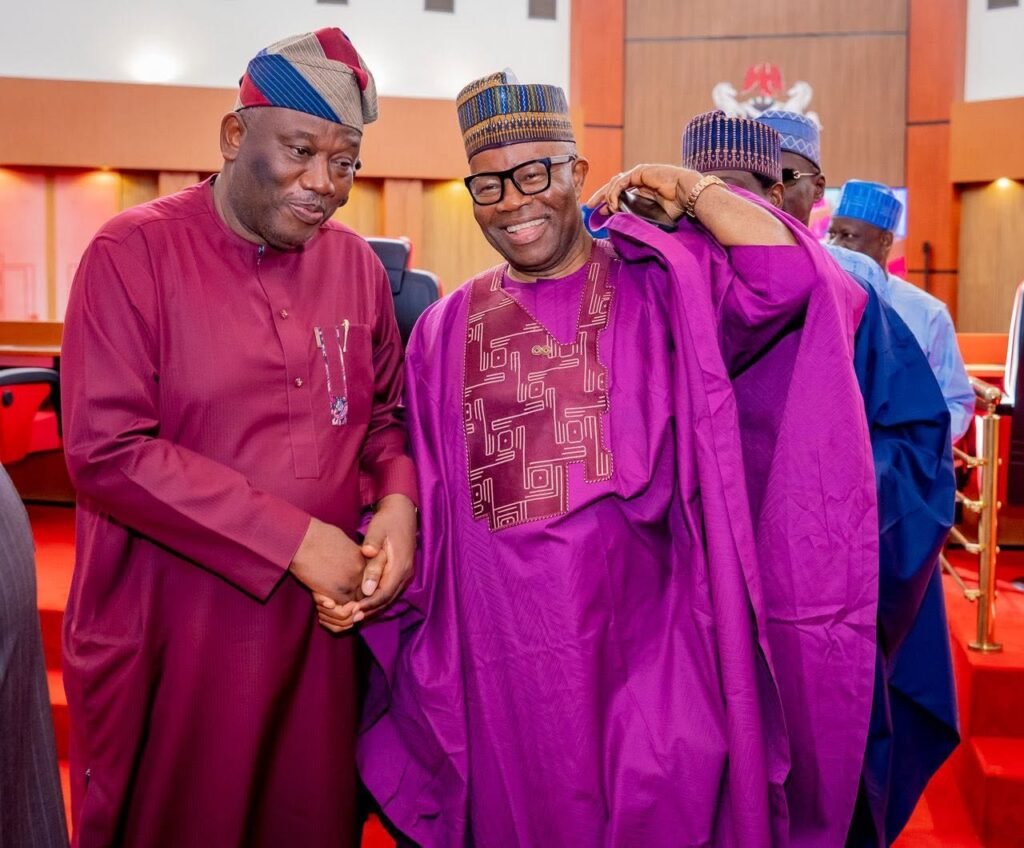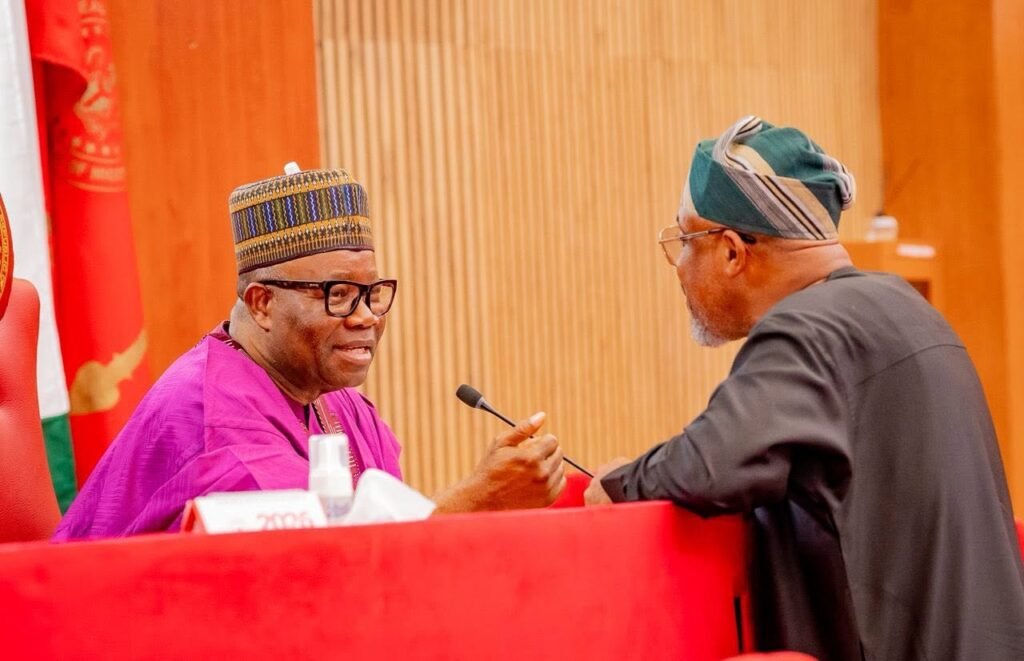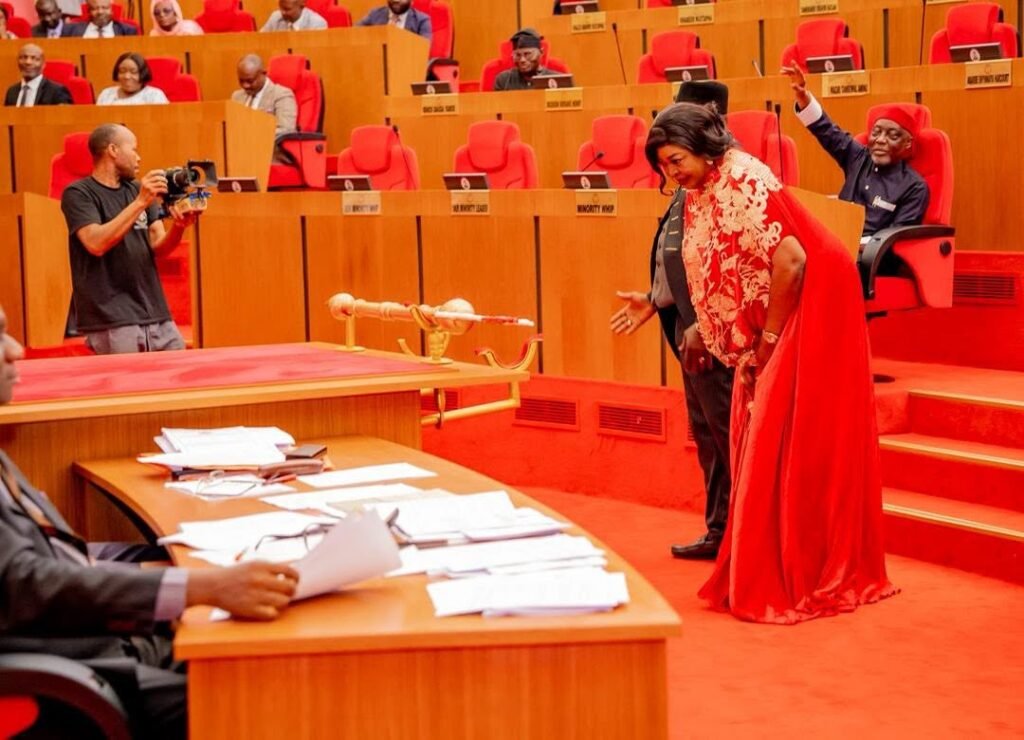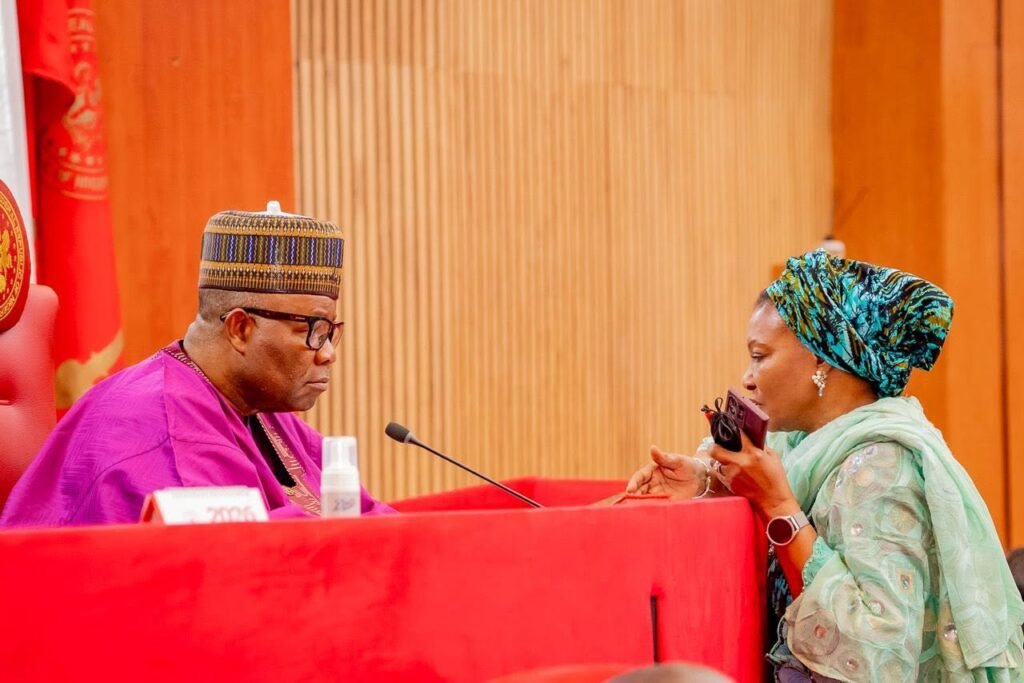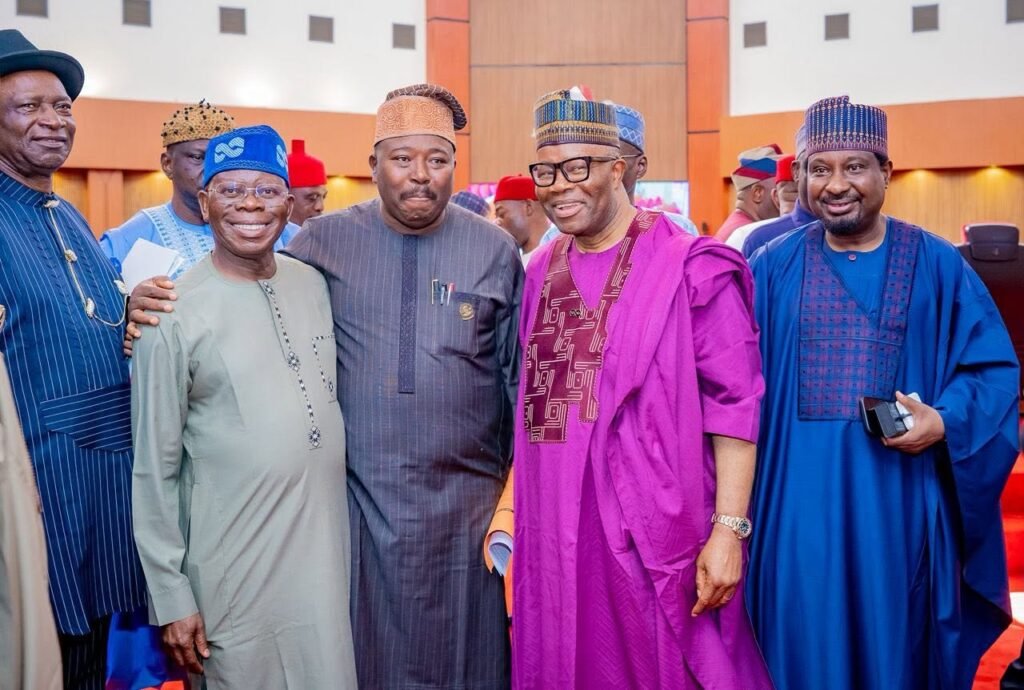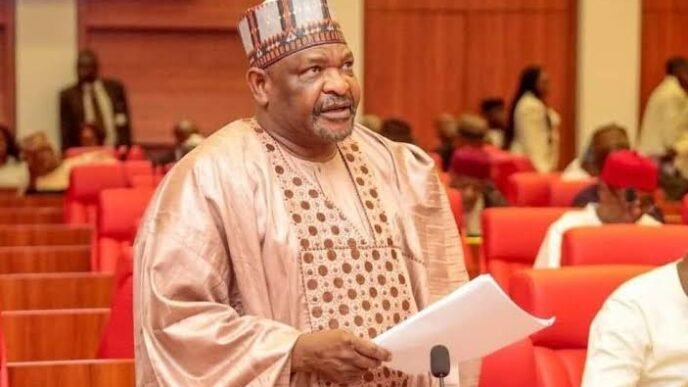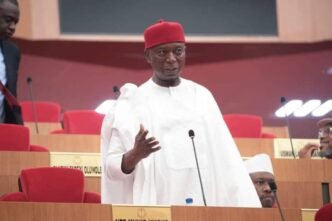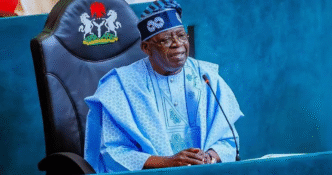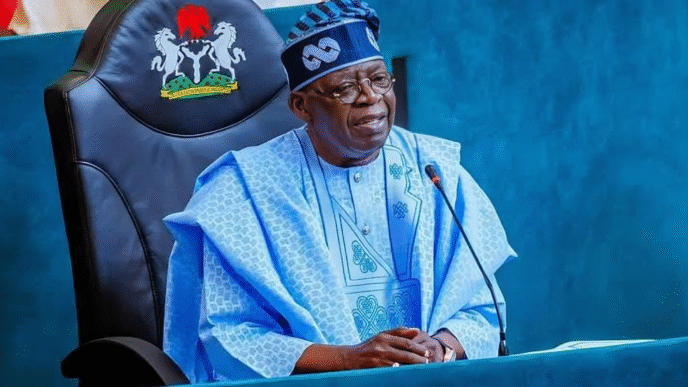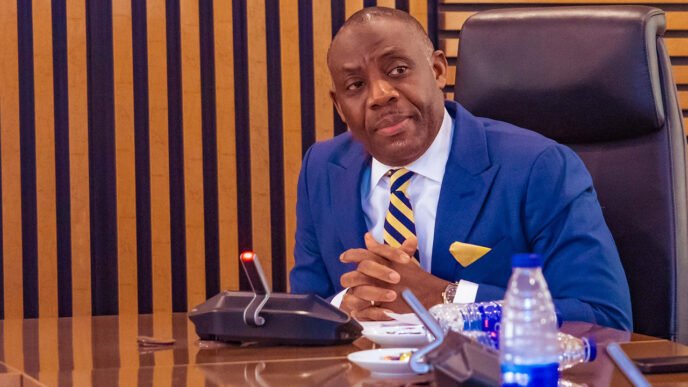
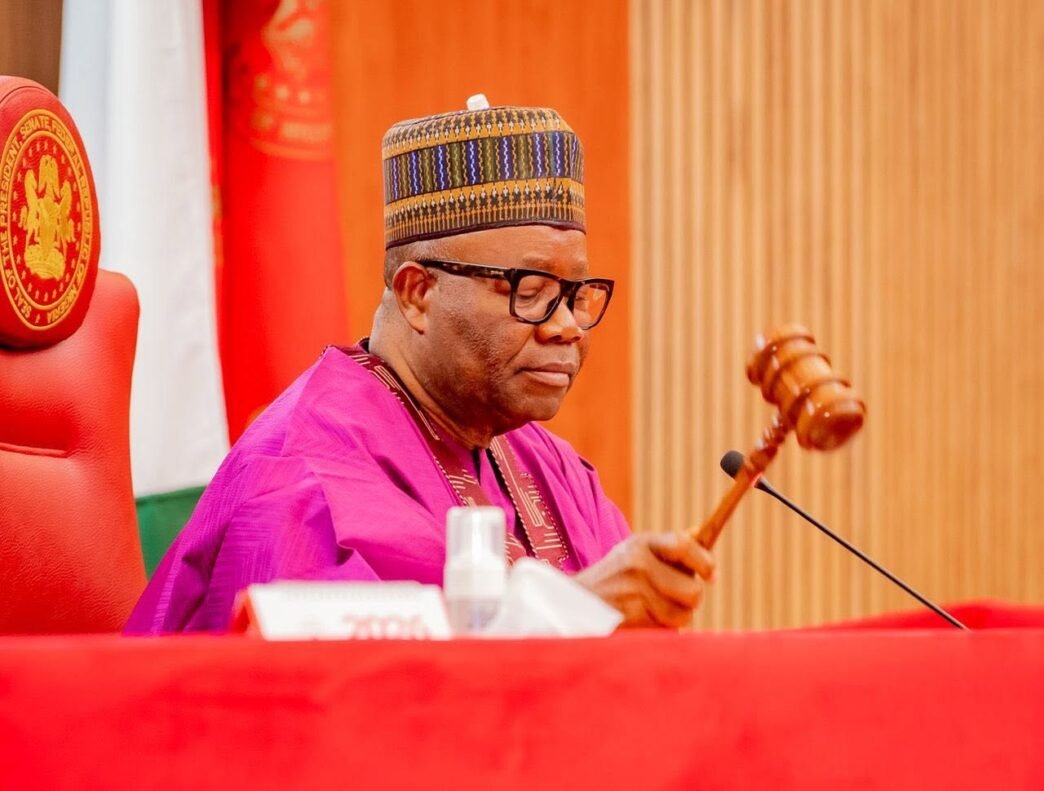
The Senate during Thursday’s Plenary Session, two bills sponsored by Senator Barau successfully passed through various stages of the legislative process alongside others.
These bills include:
Equipment Leasing Act (Amendment) Bill, 2026 (SB. 1051) sponsored by sen. Barau Jibrin Scaled First Reading.
Rights and Obligations under Tenancy Agreements and Recovery of Premises Bill, 2026 (SB. 1050) Sponsored by sen.Hussaini, Babangida Uba (Jigawa North-West) scaled First Reading.
Entrepreneurship and Mentorship Institute, Bayelsa State (Establishment) Bill, 2026 (SB. 1053) sponsored by Sen. Agadaga, Benson Sunday (Bayelsa East) scaled First Reading.
A Bill for an Act to Repeal the Utilities Charges Commission Act, Cap U17, Laws of the Federation of Nigeria, 2004 and Enact the National Utility Tariff Coordination Commission; to provide for the Harmonisation of Utility Tariff Policies, Improved Transparency, Data Coordination, Consumer Affordability Oversight, Inter- Agency Regulatory Cooperation, and for Related Matters, 2026 (SB. 1029) sponsored by sen. Barau Jibrin (Kano North) scaled Second Reading.
Establishment of State Police and for Related Matters (Sixth Alteration), 2026 (SB. 794) sponsored by sen. Bamidele, Michael Opeyemi (Ekiti Central-Senate Leader) scaled Second Reading.
The Deputy Senate President, Senator Barau Jibrin,presented the lead debate on the general principles of the bill, highlighting that the Utility Charges Commission Act was enacted at a time when the utility sectors in Nigeria were largely centralised and government-controlled.
Since then, Nigeria has witnessed extensive reforms across critical sectors, including electricity, telecommunications, petroleum, transportation, water resources, postal services, and consumer protection.
However, the Utility Charges Commission Act’s current tariff-setting responsibilities are vested in several independent statutory regulators, each operating under existing legal mandates. This is due to the absence of an institutional mechanism for harmonising tariff governance.
Therefore, the bill is necessitated by the need to modernise our legal framework and to streamline its provisions to align with Nigeria’s utility tariff governance structure.
The motion for the consideration of the bill was seconded by Senator Osita Ngwu (APC: Enugu West). My distinguished colleagues unanimously supported the bill and it was passed for second reading and referred to the Committee on Establishment and Public Service for further legislative input.
The Senate also considered and adopted a motion moved by the Senate Leader, Senator Michael Opeyemi Bamidele to re-emphasise the power of the Senate leadership as the sole authority vested with the responsibility of issuing a warrant of arrest for failure to honour committee invitations.
Furthermore, in Barau’s contribution to the debate, both the Senate Rules and the Constitution of the Federal Republic of Nigeria only recognise that the decisions of committees of the Senate are mere recommendations to the Senate to consider and adopt or otherwise.
The Senate equally noted the personal explanation by Senator Kawu Sumaila, (APC: Kano South) over the legal opinion of the Minister of Justice and Attorney General of the Federation on the National Board for Arabic and Islamic Education Bill.
The Senate approved an extension of the implementation period for the capital component of the 2025 Appropriation Act to September 30, 2026. This decision is aimed at ensuring that ongoing projects across critical sectors are completed, public resources are fully utilised, and Nigerians derive maximum value from government investments.
The Senate has issued a strong directive to the nation’s security agencies to immediately track, monitor, and arrest bandits and terrorists who are openly flaunting ransom money and criminal activities on social media platforms, particularly TikTok.
The resolution was passed during Thursday’s plenary session following a motion sponsored by Senator Sunday Karimi (Kogi West) on the rising wave of bandit attacks in Kogi West and other parts of the country.
Lastly, the senate adjourned plenary till July 7, 2026.