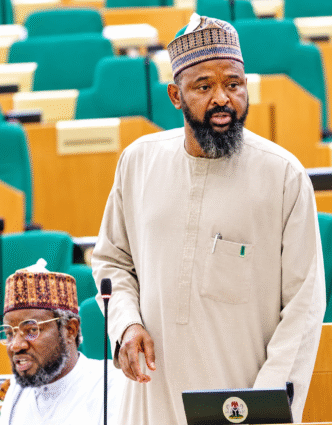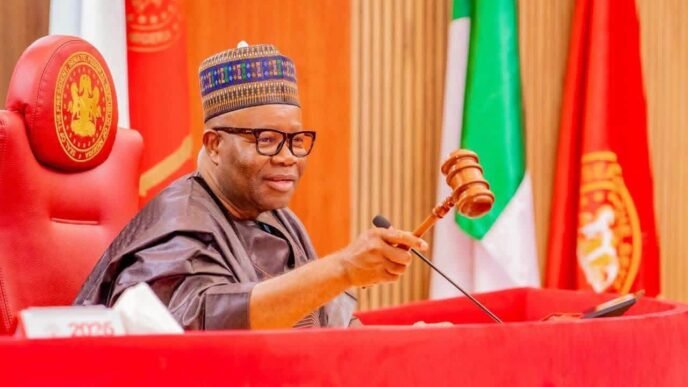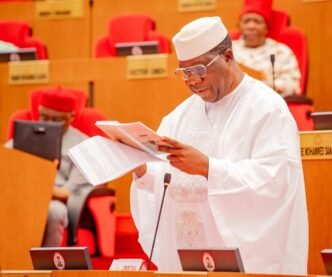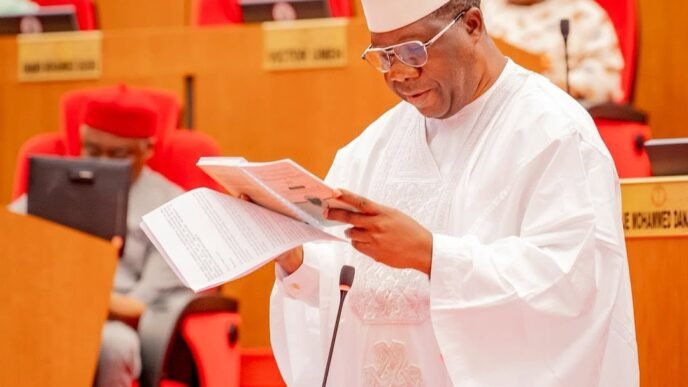
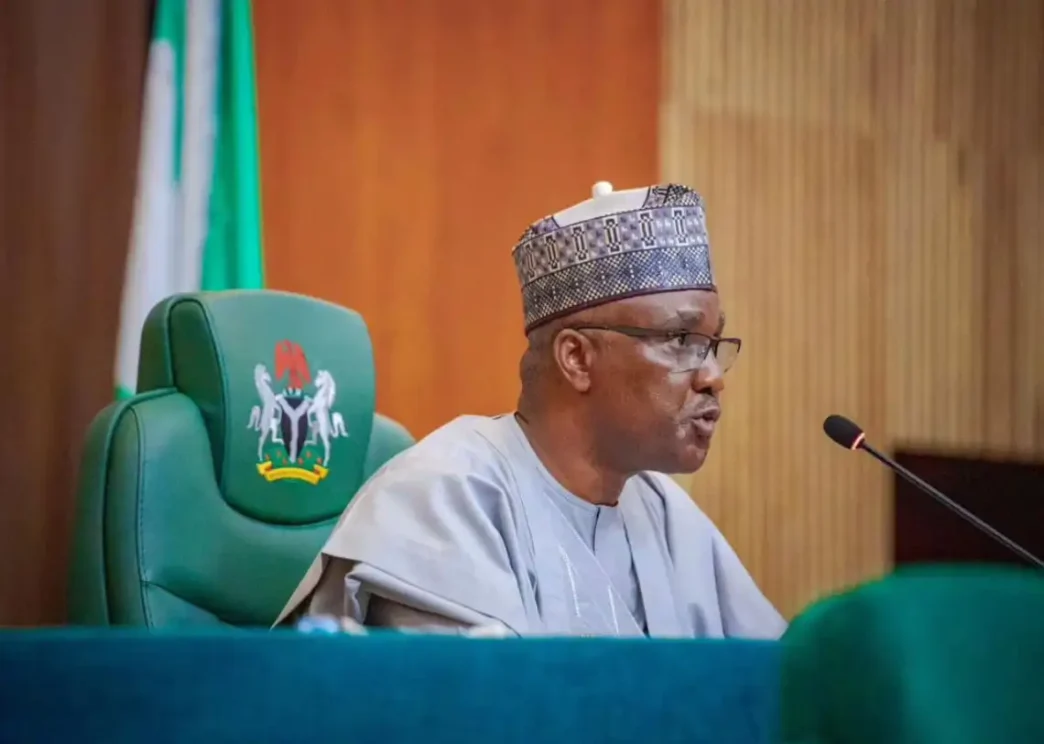
The Speaker of the House of Representatives, Tajudeen Abbas, has declared that Nigeria’s traditional approaches to tackling security threats have fallen short, creating an urgent need for “bold, fresh thinking” and innovative legislative reforms.
Speaker Abbas made this assertion on Monday, 15th June, 2026 during the opening of a two-day public hearing organized by the House Committee on Defence. The event, held at the National Assembly Complex in Abuja, was gathered to review a crucial package of defence reform bills aimed at restructuring the military, improving troop welfare, and addressing contemporary security threats.
Let me state clearly. The security challenges we face today demand bold, fresh thinking. The old ways have not fully worked. We must be open to legislative innovations.
Speaker Abbas Tajudeen
The Speaker highlighted the immense pressure currently facing the Nigerian Armed Forces, noting that the military is concurrently battling complex crises across multiple fronts. These include:
North-East: Ongoing counter-insurgency operations.
North-West: Widespread banditry and kidnapping.
North-Central: Chronic farmer-herder conflicts.
South-East: Persistent separatist agitations.
Compounding these traditional problems are emerging global and digital threats. Abbas pointed to maritime piracy in the Gulf of Guinea, cyber warfare, and the increasingly sophisticated nexus connecting organized crime to terrorism as modern hurdles that demand upgraded legislative frameworks.
The public hearing is a cornerstone of the 10th House’s legislative agenda to modernize Nigeria’s legal and defense apparatus. Among the key bills under review is a proposal to completely repeal the long-standing Armed Forces Act and replace it with a comprehensive Nigerian Military Force Act, designed to overhaul military governance and administrative systems.
The Armed Forces Farms and Ranches Scheme Bill: An initiative aimed at boosting national food security while mitigating local conflicts by engaging the military in unstable agricultural zones.
Gender Representation Legislation: A framework designed to boost inclusivity and gender diversity within the ranks of the Armed Forces.
The Veterans’ Federation of Nigeria Bill: A proposed framework dedicated to restructuring and strengthening welfare, healthcare, and administrative representation for retired personnel.
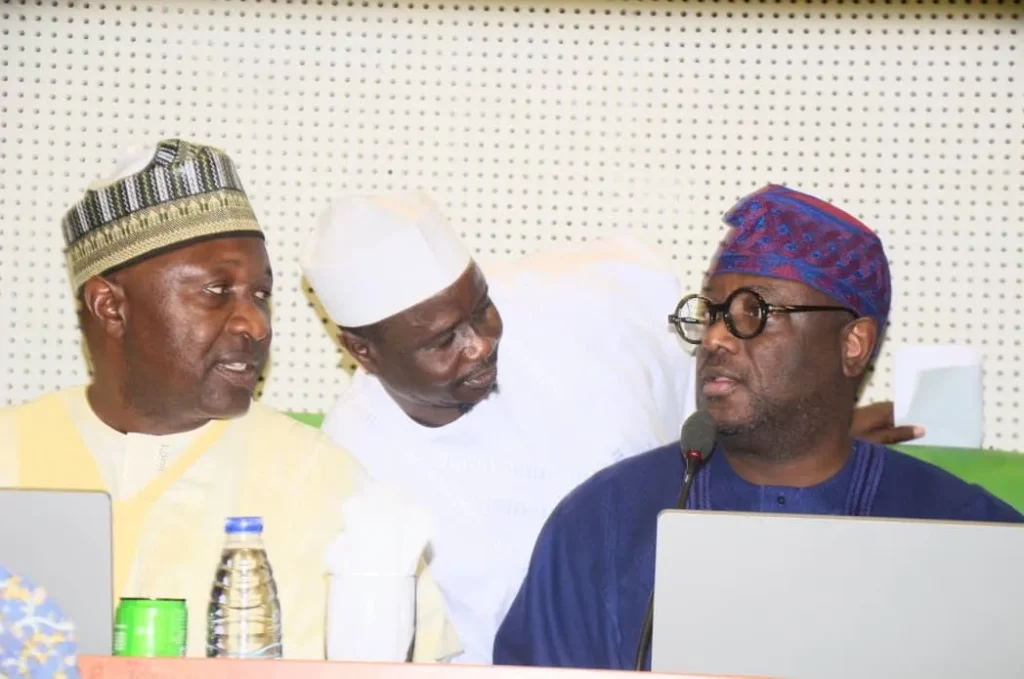
The Chairman of the House Committee on Defence, Babajimi Benson (APC, Lagos), emphasized that public and stakeholder input is critical at this stage to ensure the final laws are practical, comprehensive, and responsive to the nation’s needs.
While most reforms received broad support, the bill seeking to establish the Veterans’ Federation of Nigeria sparked intense debate among stakeholders.
Proponents of the bill argued that it successfully mirrors independent veteran models utilized by global powers like the United States, United Kingdom, Canada, and Australia.
However, critics argued that the draft legislation gives disproportionate authority to high-ranking senior military officers, effectively sidelining lower-ranking retirees. Sadiqe Nwabuezeh, a legal practitioner and retired non-commissioned officer, advocated for a more democratic approach. He called for the creation of an independent Ministry of Veterans Affairs led by ex-service personnel, insisting that veterans of all ranks must have an equal voice in managing their affairs.
The House Committee on Defence is expected to collate all submissions and recommendations from the two-day hearing to guide further legislative action on the bills.