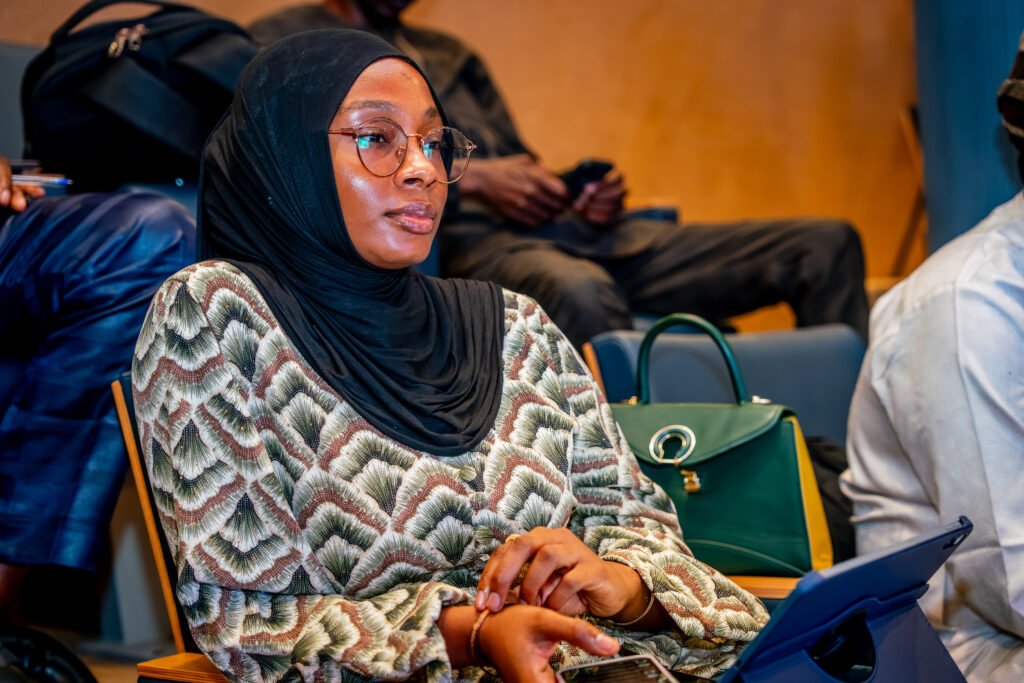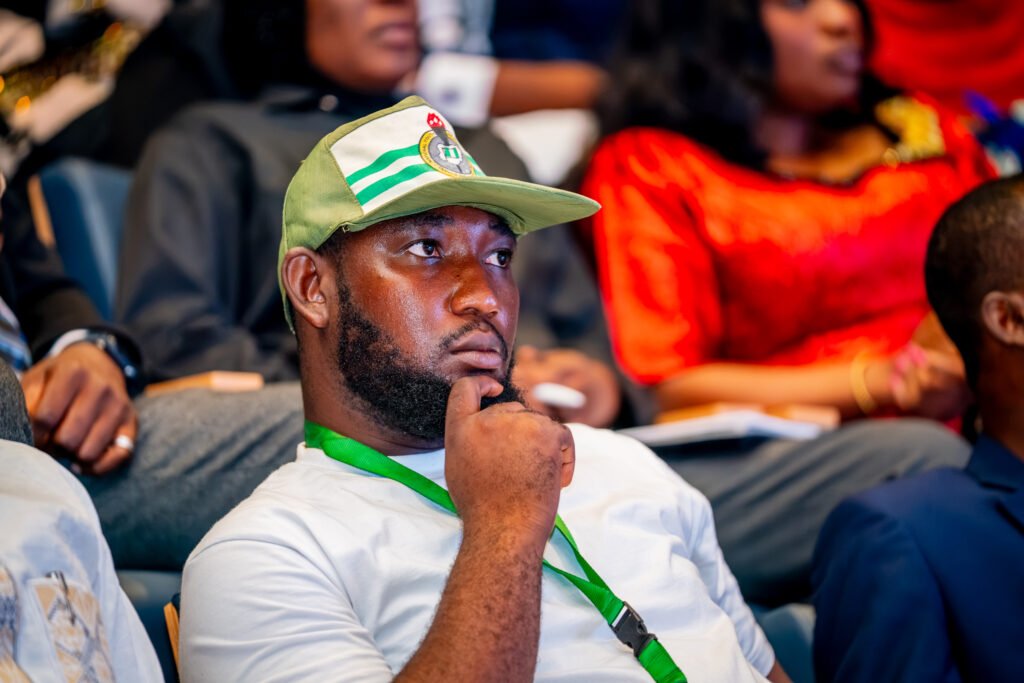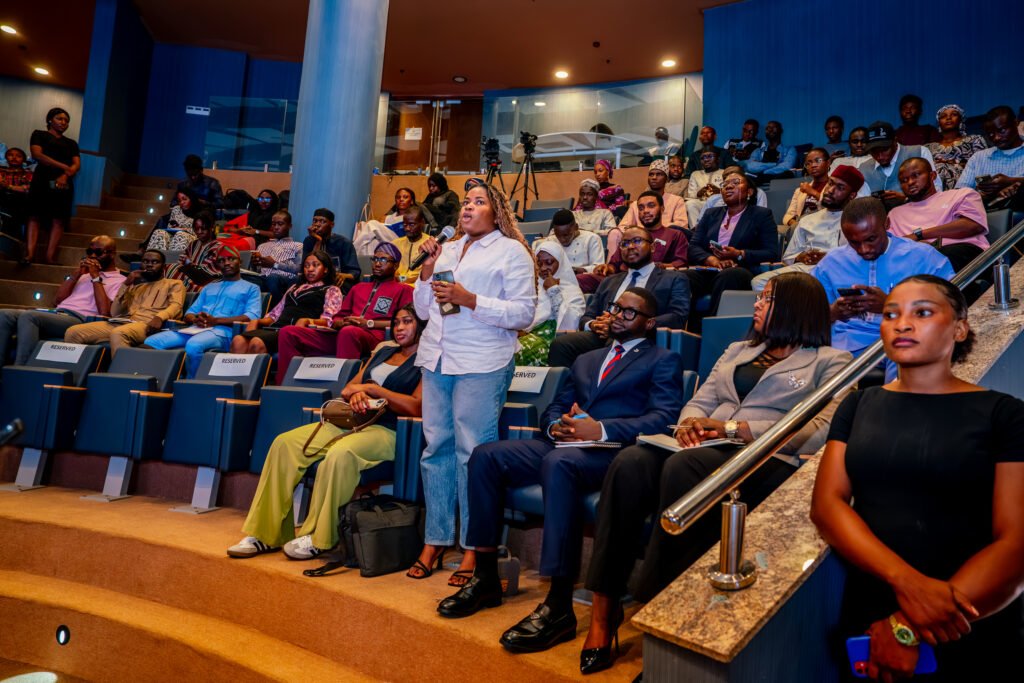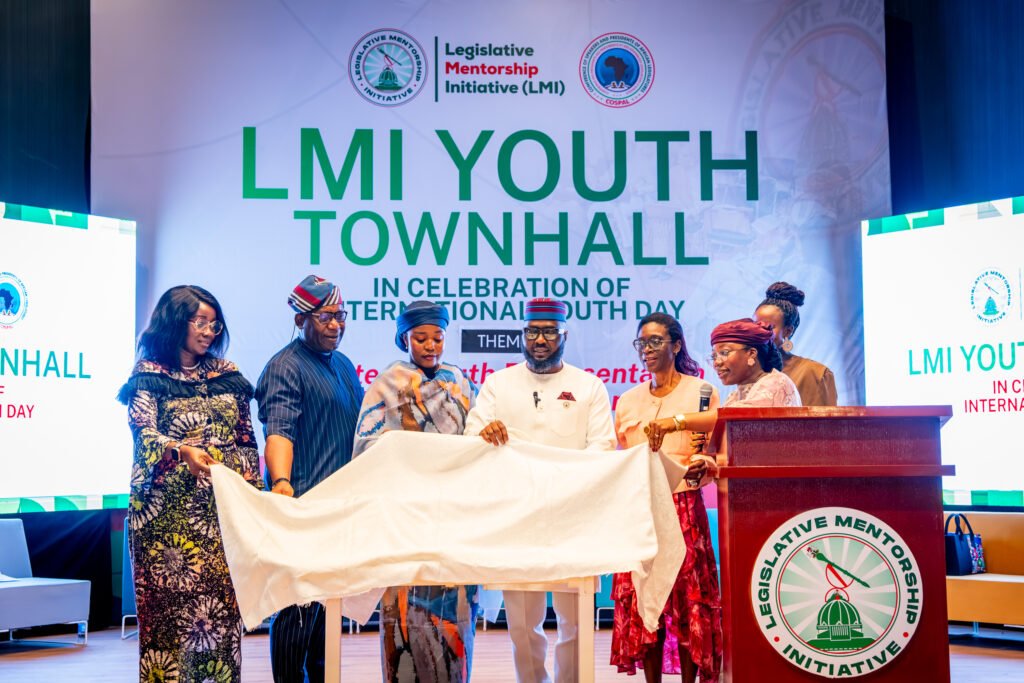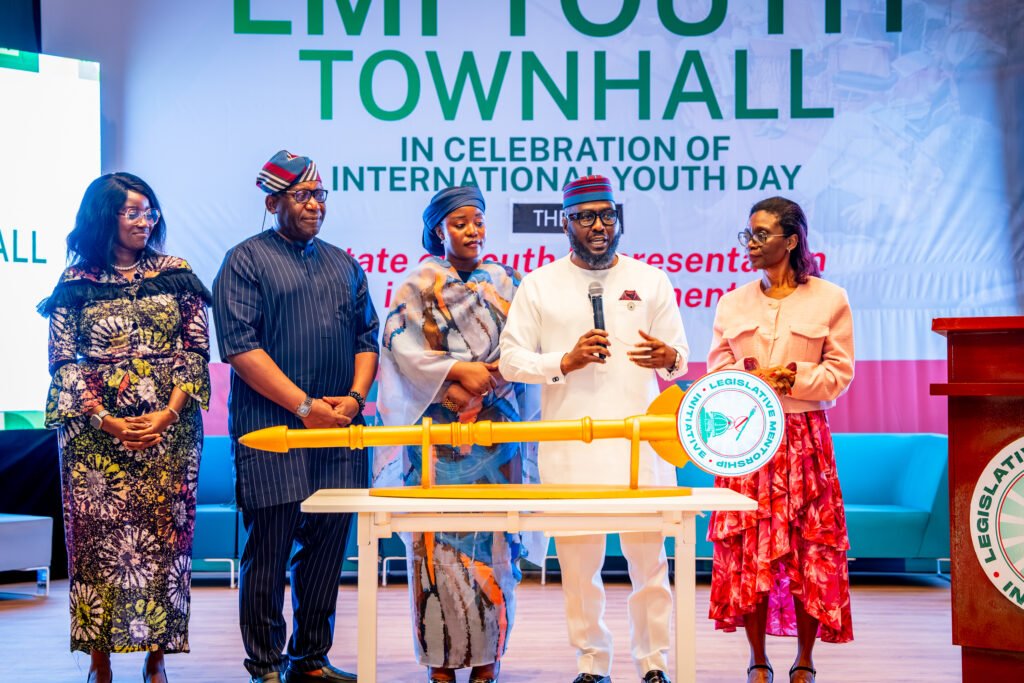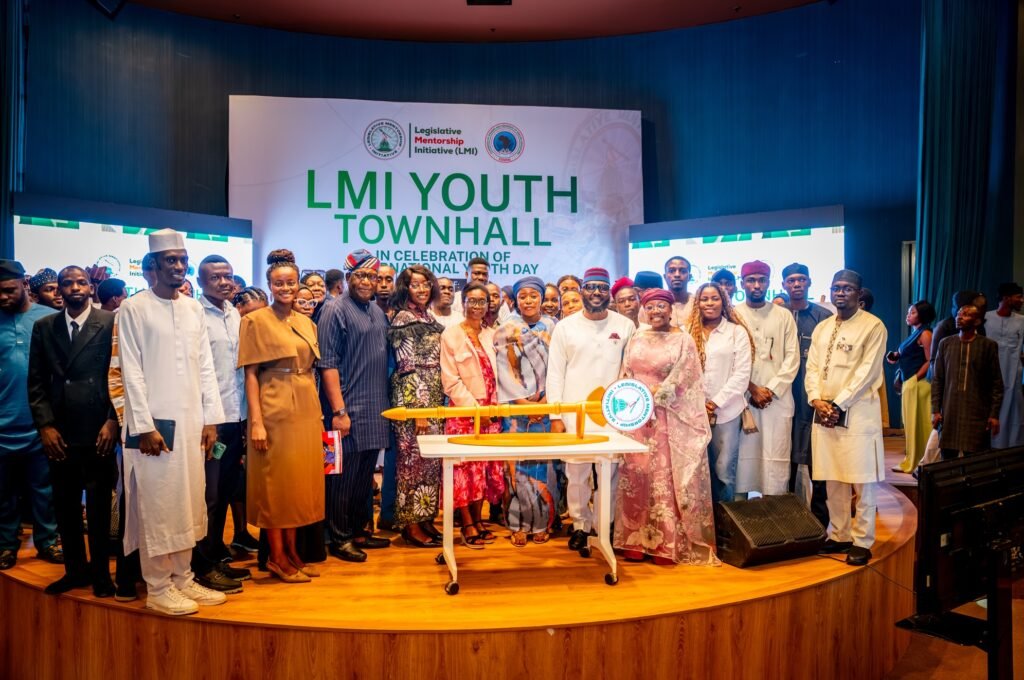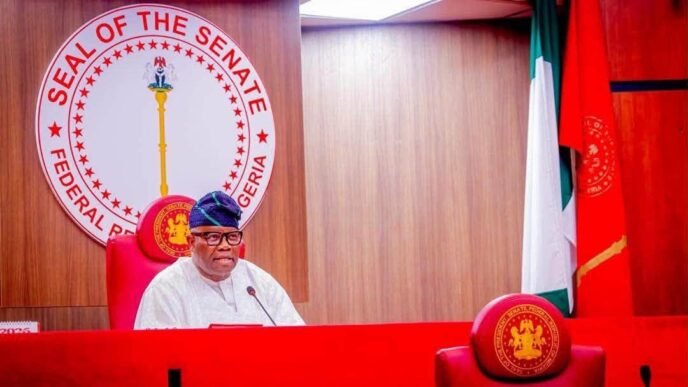
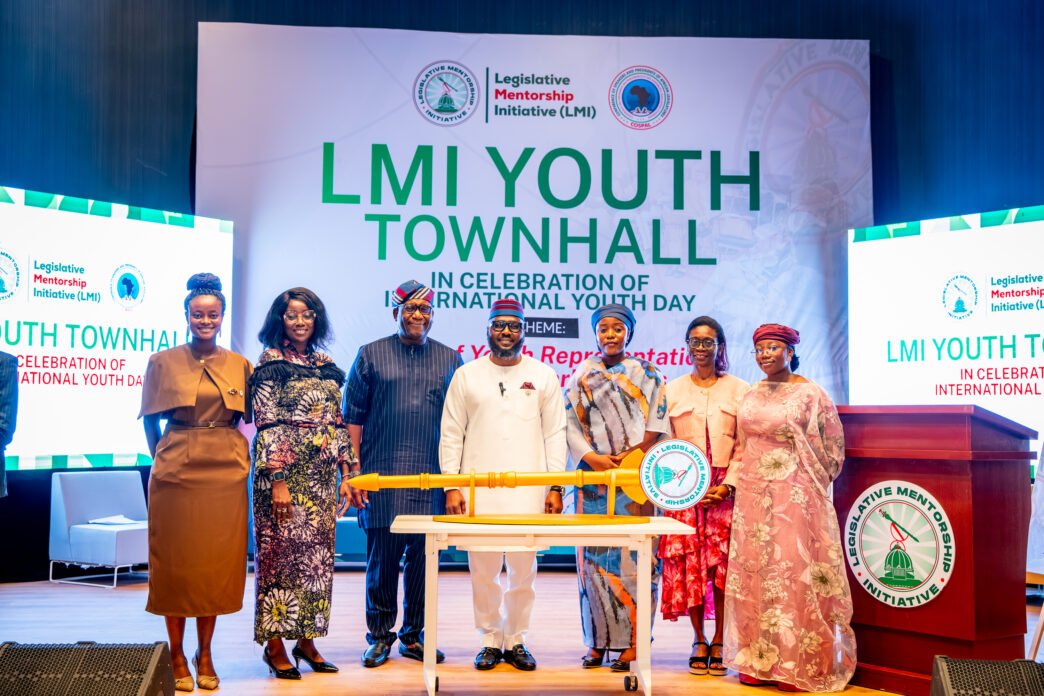
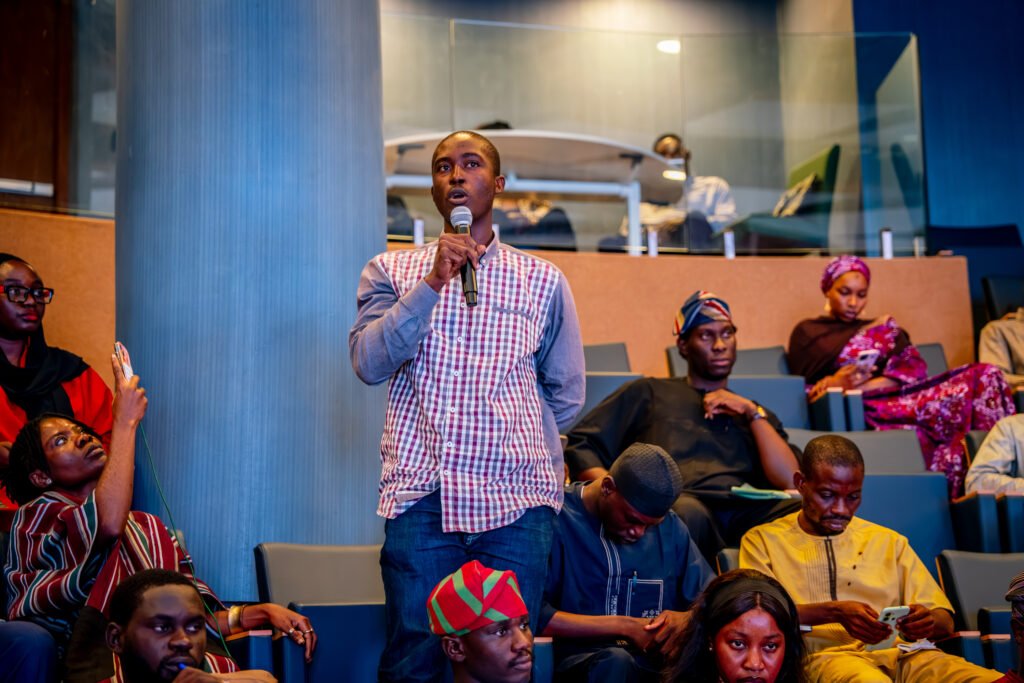
The Legislative Mentorship Initiative Youth Town Hall, themed “State of Youth Representation in African Parliaments,” convened young leaders, policymakers, and key stakeholders to examine practical strategies for strengthening youth representation and participation across African legislatures.
Speaking at the event, National Assembly Library Executive Secretary Rt. Hon. Henry Nwawuba – represented by Dr. Matthew Coker, National Assembly Library SA on Research and Strategy – called for deliberate measures to bridge the gap between Africa’s youthful population and its low representation in parliamentary institutions.
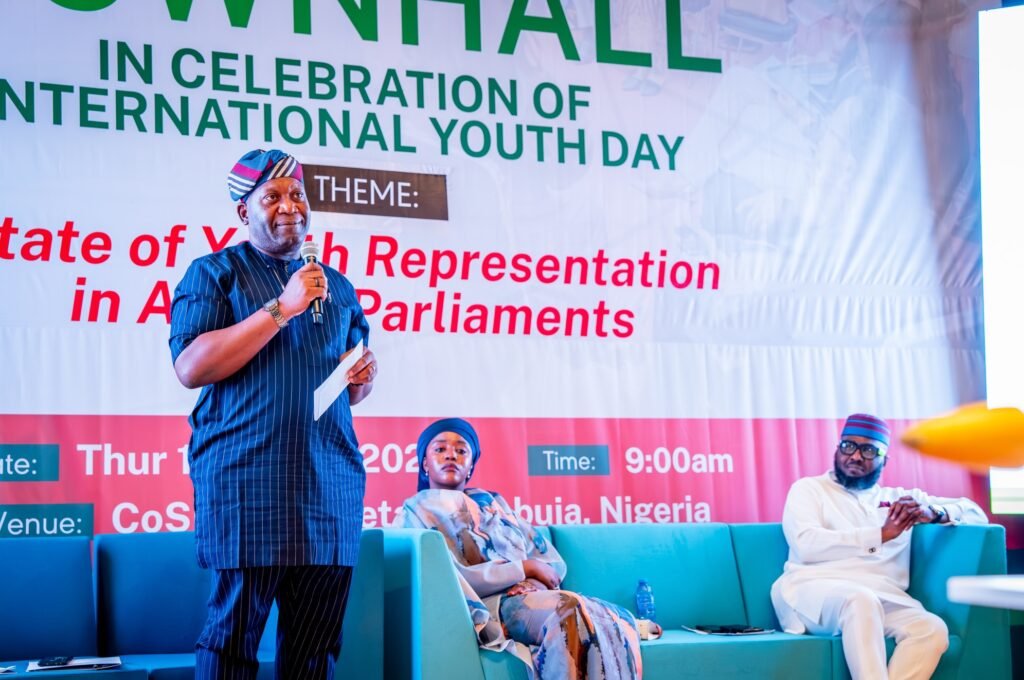
He noted that young people constitute more than 60 per cent of Africa’s population but remain disproportionately represented in legislative chambers.
He further emphasized that African parliaments must bridge the gap between demographic realities and legislative decision-making.
“To build resilient institutions that reflect the majority’s aspirations, young people must move from the margins of policy discussions to the center of legislative action,” he said.
Also speaking, the Secretary-General of the Conference of Speakers of African Legislatures (CoSPAL), Amb. Dapo Oyewole, said African countries must deliberately train and equip young people before entrusting them with public leadership responsibilities.
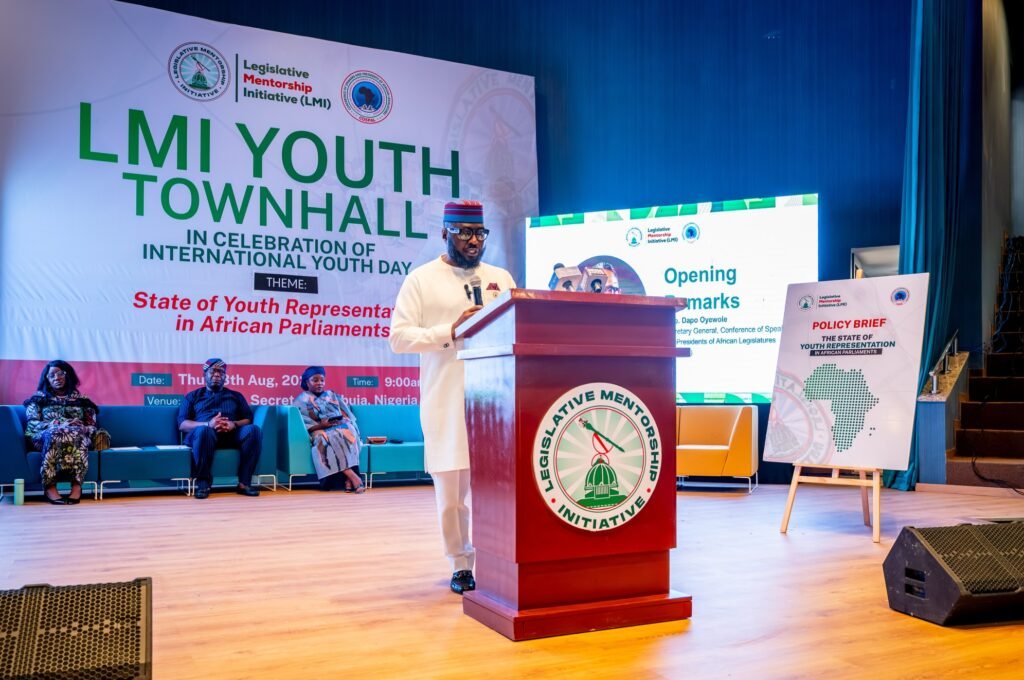
Citing the Inter-Parliamentary Union’s 2025 report, Oyewole said only 2.8 per cent of the world’s parliamentarians were aged 30 or below, while more than one-third of parliamentary chambers had no member within that age bracket.
He said the situation was troubling at a time when half of the world’s population was under 30 and Africa remained the youngest continent.
“Africa’s youth cannot afford to be powerless characters in the story of our continent. In fact, you all must be the authors of Africa’s story,” he said.
He said inclusion remained central to LMI’s mission, particularly the inclusion of youths, women and persons living with disabilities, adding that the 2026 International Youth Day theme, “Different Contexts, Common Aspirations,” reflected the initiative’s efforts to create pathways for young Africans to rise, serve and lead.
In her keynote address, United Nations Global Peace Advocate, Maryam Hassan Bukar, said Africa did not have a youth potential problem but faced challenges of participation, mobility, economic dignity, implementation and trust.
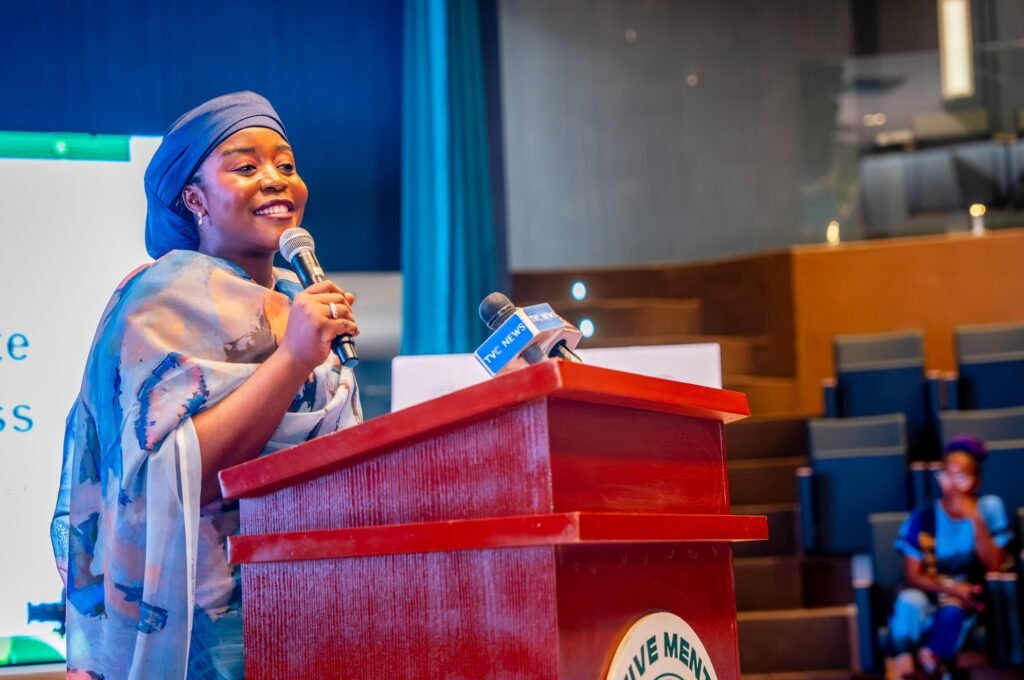
“Every legislature has a gallery. It is the place from which you can see the chamber, hear the debate, and watch decisions being made. But you cannot vote from the gallery. You cannot amend a bill from the gallery. You cannot move a motion from the gallery. You can witness the future being written, but you cannot hold the pen,” she said.
According to her, Africa’s growing youth population would only become an advantage if governments designed laws, institutions, infrastructure, education systems and financial structures capable of turning young people’s potential into tangible opportunities. She proposed three questions that should guide youth-related policies, national budgets and development programmes: whether they help young Africans move, build and belong.
Unveiling of Policy Brief on Youth Representation
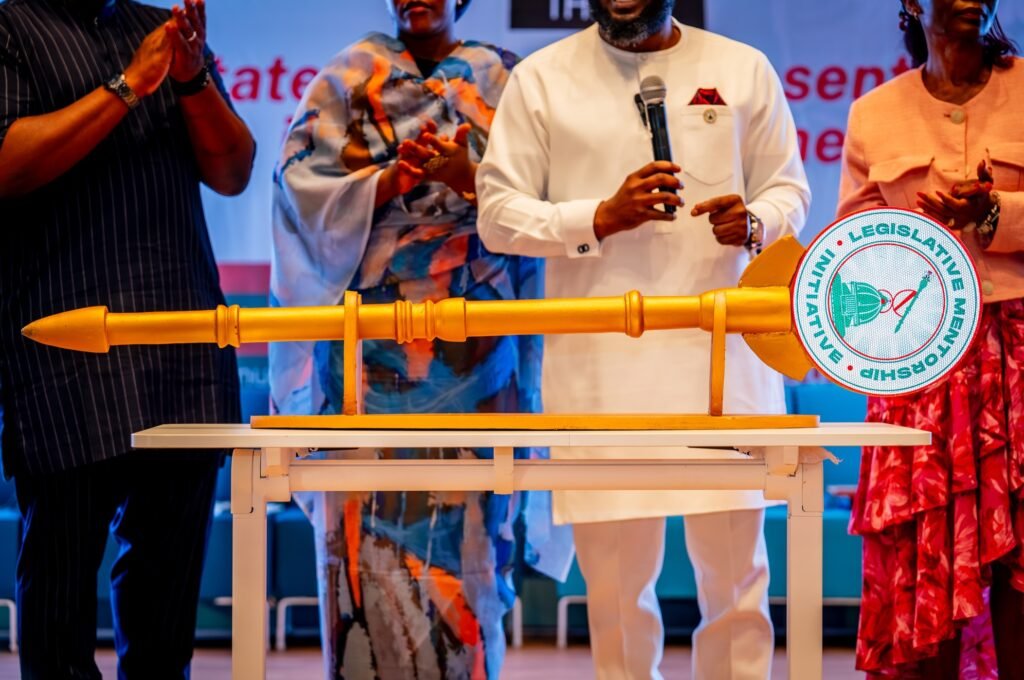
A key highlight of the town hall was the official launch of the Policy Brief on Youth Representation in African Parliaments, outlining practical recommendations for strengthening youth representation across the continent, while emphasizing that Africa’s future must include the voices of its largest demographic.
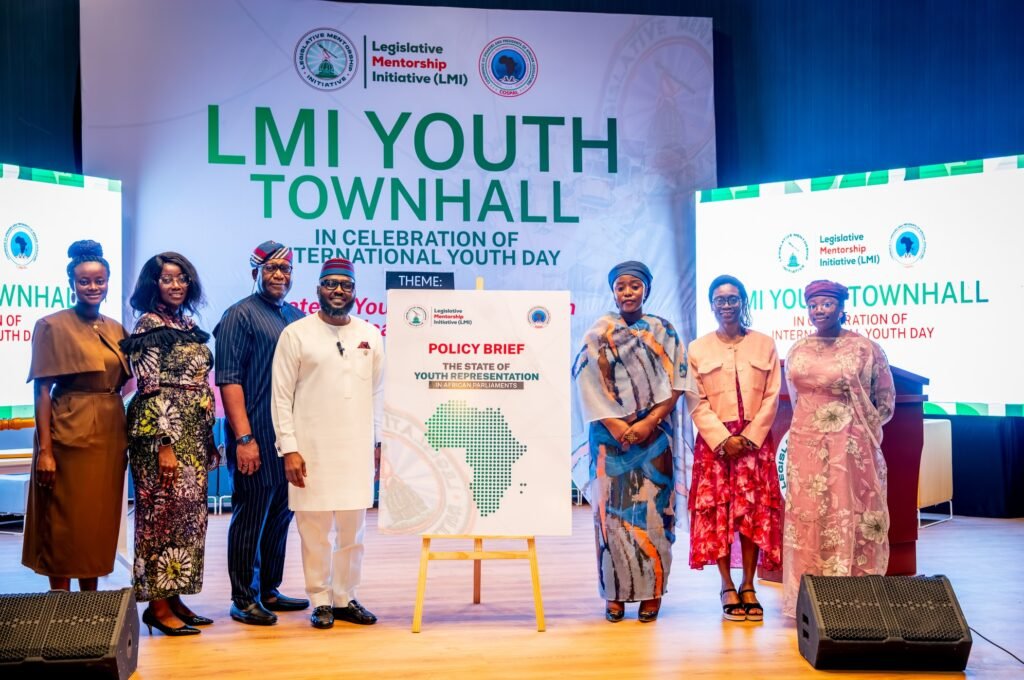
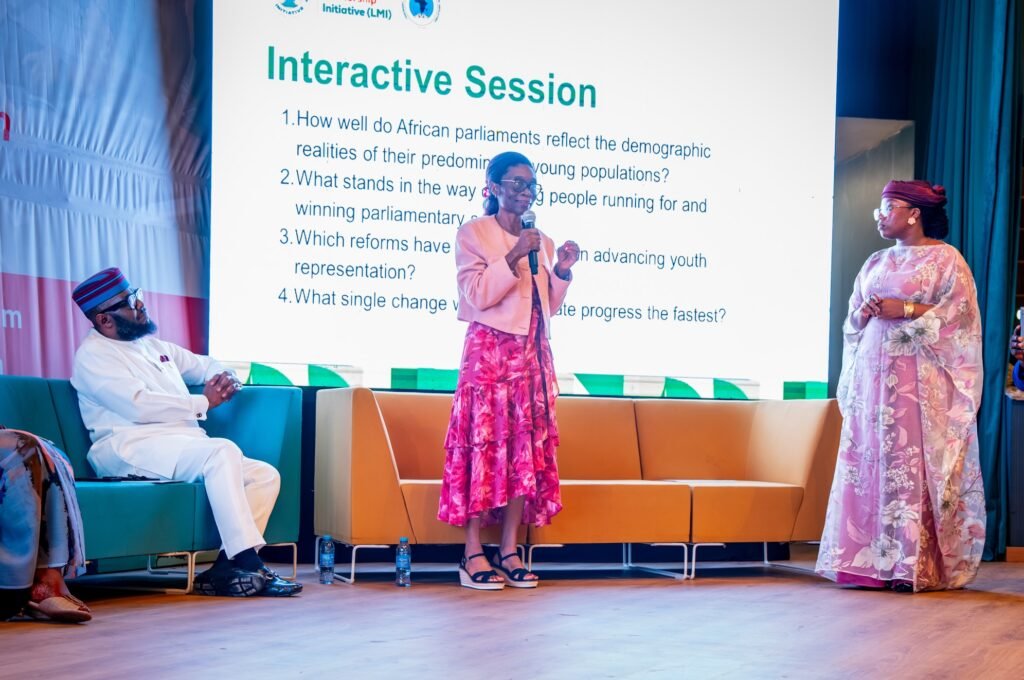
Presenting the policy brief, LMI Director Solape Sonuga described it as “a mirror held up to our institutions,” providing an assessment of progress, existing gaps and areas requiring reform to improve youth representation in African legislatures.
The brief highlighted a persistent disconnect between Africa’s youth population and its representation in legislative institutions, while proposing concrete policy pathways to promote more inclusive governance, strengthen democratic participation, and create opportunities for young people to actively shape the decisions that affect their future.
LMI Cohort 5 Call for Applications
LMI also announced the opening of applications for the 5th Cohort of its annual Fellowship at the townhall, further reinforcing the initiative’s commitment to cultivating the next generation of African legislative leaders.
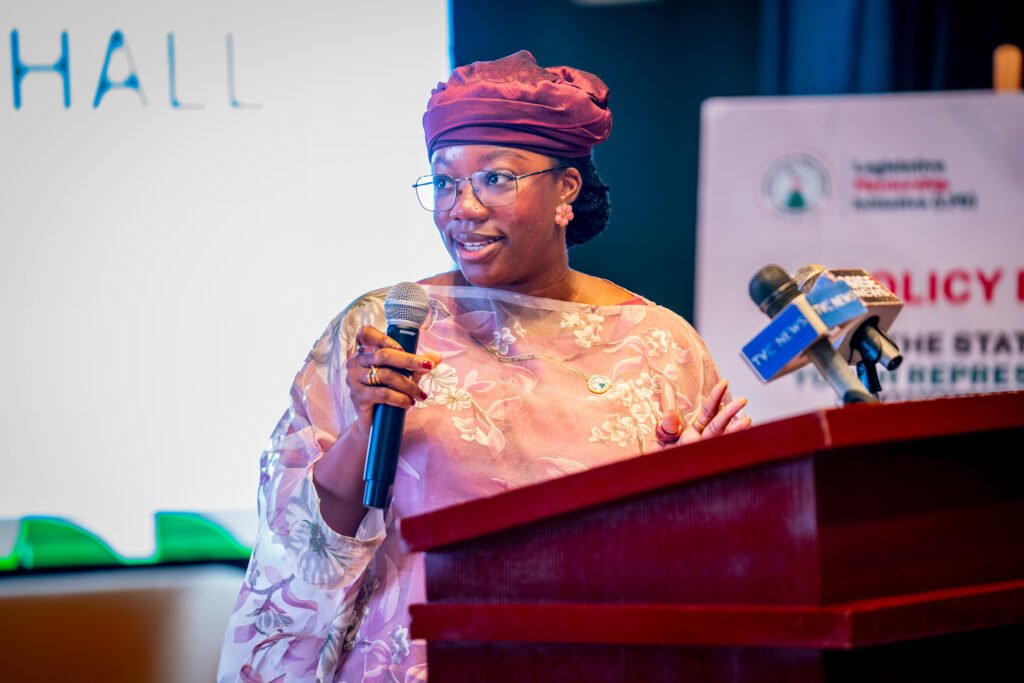
Sonuga urged participants to engage in constructive discussions, listen across generations and work towards ensuring that young Africans were represented in spaces where the future of the continent was being decided.
“The goal is to be prepared for what that seat comes with. The goal is to be competent, to be ethical, to understand that with great power comes great responsibility, and to use whatever platforms we are given to open wider doors for other people”.
She said LMI would continue to promote leadership development, mentorship and practical exposure to legislative processes as part of efforts to prepare a new generation of ethical and competent African leaders.
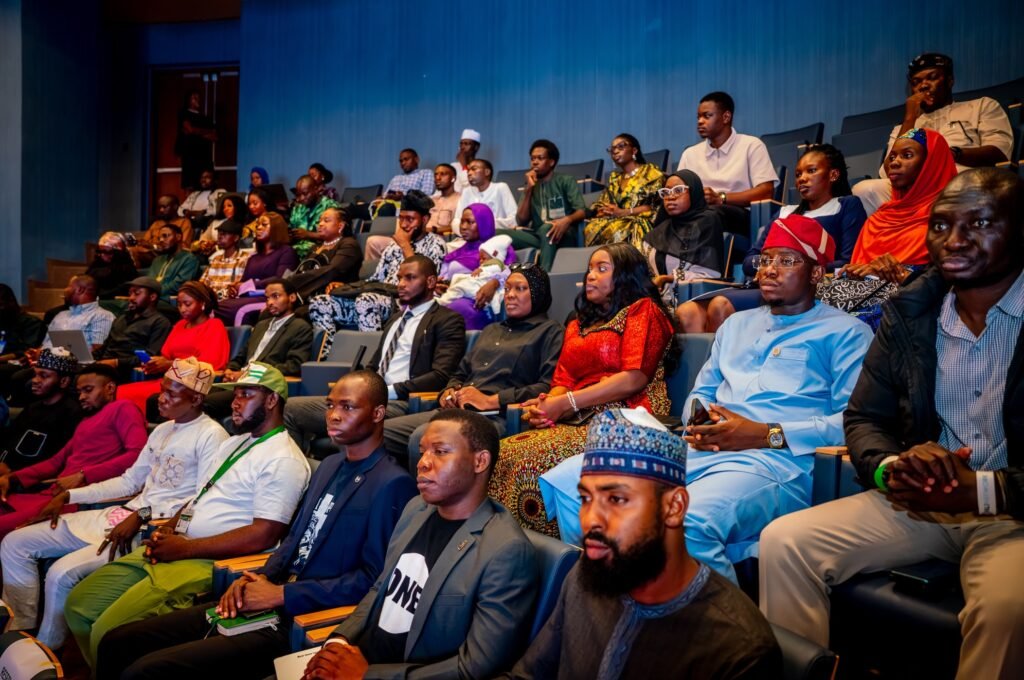
View more photos from the townhall below: