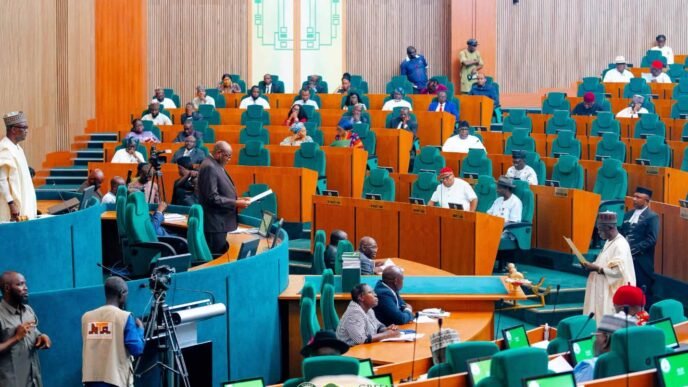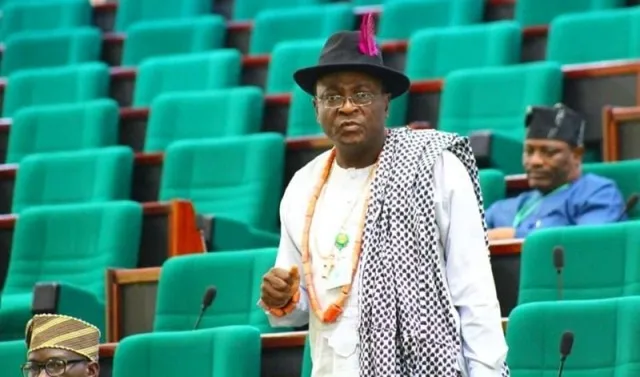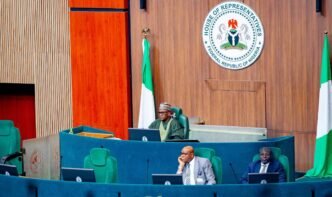
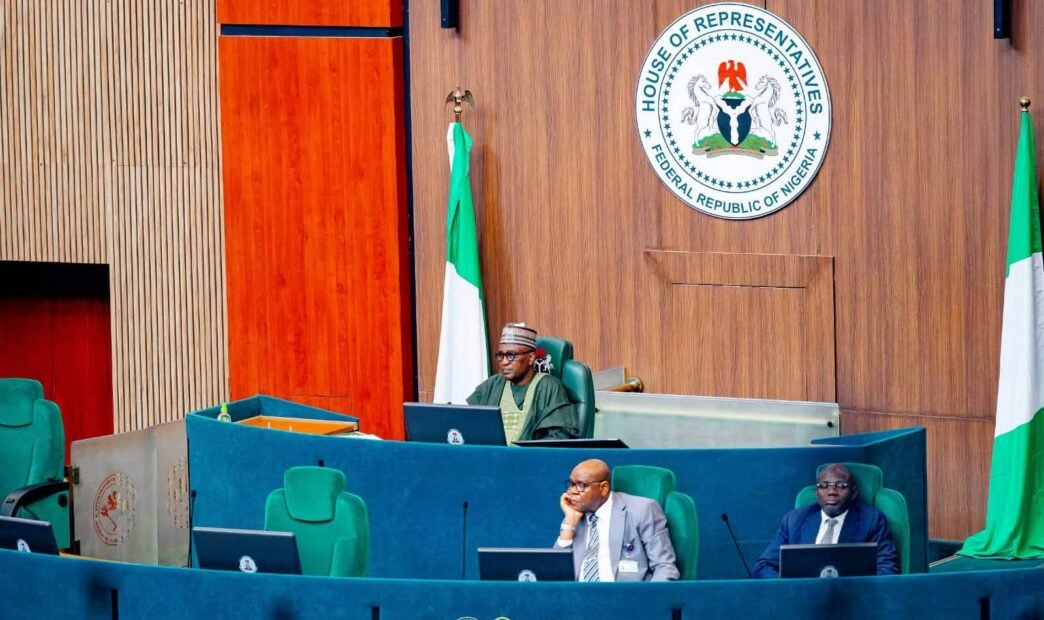
During Tuesday’s plenary session, the House of Representatives took decisive action to safeguard parliamentary independence, protect public safety, and address urgent environmental challenges across the country. Lawmakers ordered key investigations, advocated for disaster relief interventions, and advanced several critical legislative bills.
Following the tragic death of a National Youth Service Corps (NYSC) member at the Enugu orientation camp, the House ordered an inquiry into the incident. Lawmakers demanded immediate upgrades to medical facilities, emergency response systems, and healthcare safeguards across all NYSC orientation camps nationwide to guarantee corps members’ safety.
The House mandated an immediate investigation into a circular from the Office of the Secretary to the Government of the Federation (OSGF) that purports to require prior executive approval for official foreign travel by lawmakers. Citing potential infringements on parliamentary diplomacy and the constitutional separation of powers, the Committees on Public Service Matters and Legislative Compliance were directed to review the policy and report back within four weeks with recommended legislative actions.
Citing public safety hazards and potential damage to vital infrastructure, the House ordered an investigation into unauthorized structures and commercial encroachment beneath Eko Bridge and other federal bridges in Lagos State. Relevant authorities were directed to enforce regulations and provide all necessary engineering, survey, and Right-of-Way documentation.
The House called for urgent federal emergency measures to combat severe erosion in the Odi Kingdom in Bayelsa State, emphasizing shoreline protection and environmental restoration to secure local livelihoods.
Hon. Chinedu Ogar urged the Federal Government to deploy immediate relief materials to flood-devastated communities in Ikwo and Ezza-South of Ebonyi State, while establishing long-term, sustainable flood-control infrastructure to mitigate future disasters.
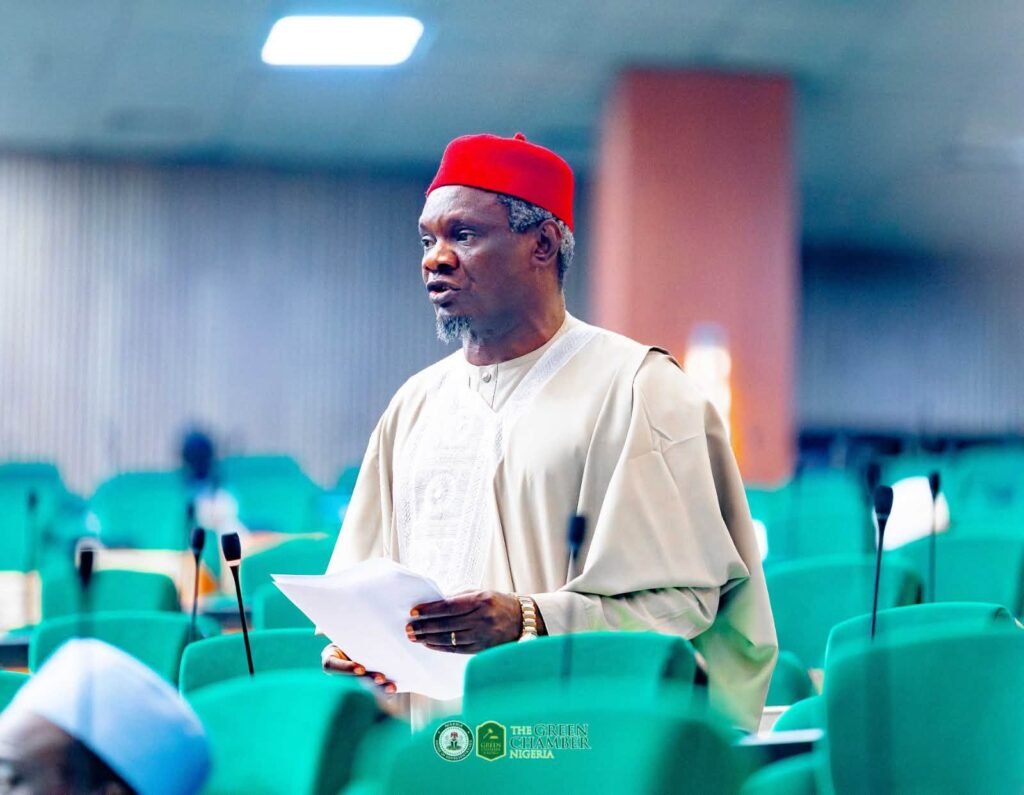
Seven new bills passed First Reading, targeting key sectors including transport safety investigations, drug law enforcement, public-sector leadership development, forestry education, and pension administration for national intelligence agencies.
Four major bills successfully passed Second Reading and were referred to their respective committees. These cover international legal commitments (including the Geneva Conventions and the Rome Statute of the International Criminal Court), comprehensive insurance sector reform, and the establishment of the Federal University of Information Technology in Ikare-Akoko.
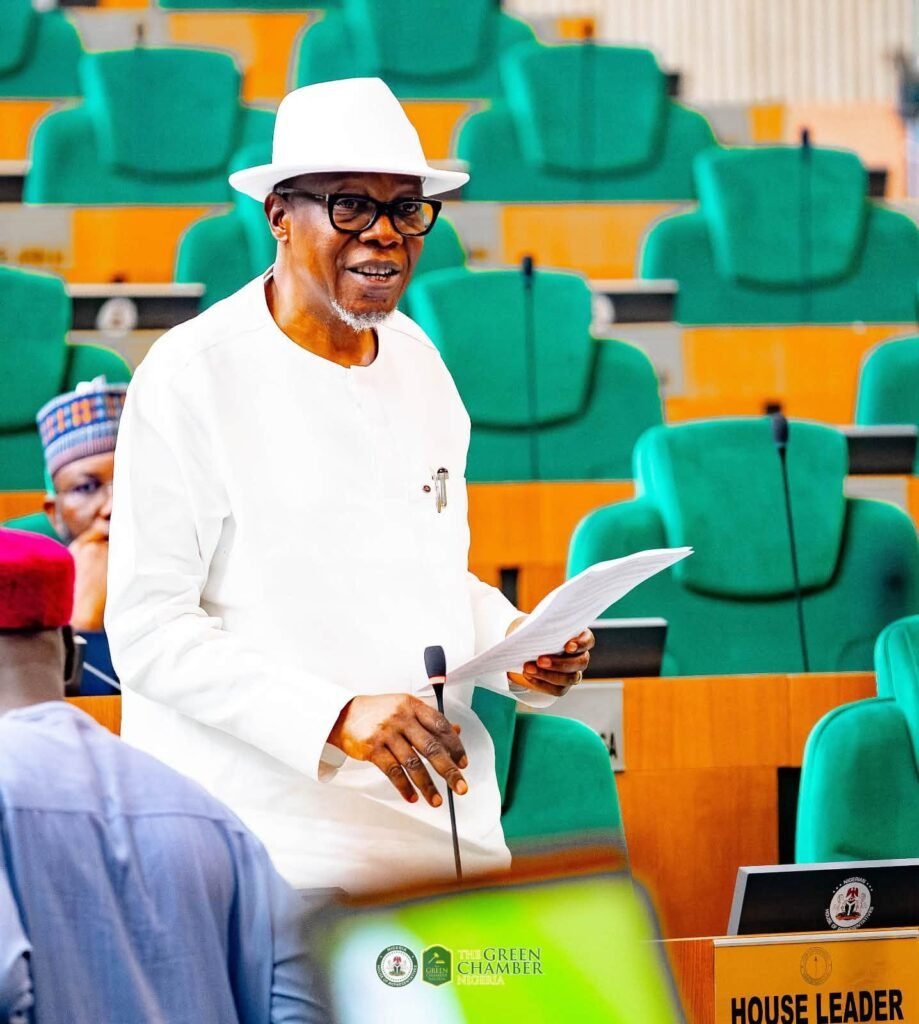
The House recommitted the National Assembly Service Pension Board (Establishment) Act (Amendment) Bill, 2026 to the Committee of the Whole. The move follows a joint technical review that drafted revised clauses for Sections 7 and 8 to resolve legal, constitutional, and administrative issues.
The House moved to reconsider the Nigeria Agricultural Quarantine Service (Establishment) Bill, 2026 (HB. 2817), invoking Standing Orders to address legislation previously passed and sent for presidential assent without final resolution prior to the end of the preceding Assembly.
Through these comprehensive proceedings, the House of Representatives continues to execute its constitutional oversight mandate, champion public welfare, defend democratic governance, and drive critical legislative reform.