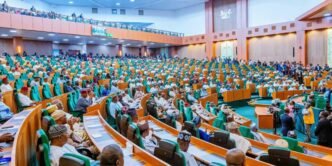
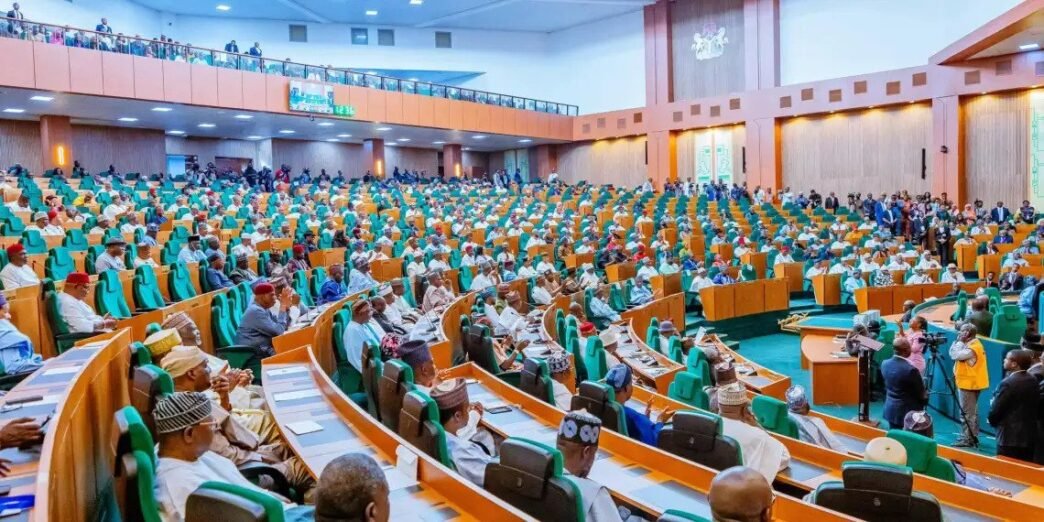
The House of Representatives witnessed a seismic political shift on Tuesday as 27 lawmakers officially dumped their various political platforms for new ones. The massive wave of defections, which comes amid intensifying realignments ahead of the 2027 general elections, has significantly altered the balance of power in the Green Chamber.
Speaker Tajudeen Abbas announced the moves during a plenary session, reading notices from the lawmakers who cited “protracted internal crises” and factional disputes within their former parties as the primary reasons for their departure.
The ruling All Progressives Congress (APC) emerged as the biggest winner of the day, gaining 14 new members. This surge brings the APC’s total strength in the 360-member House to approximately 280, further tightening its grip on the legislature.
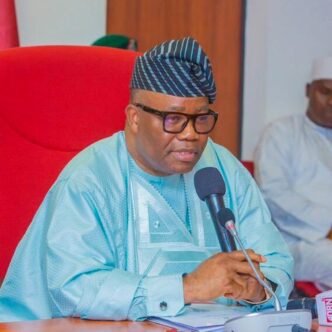
A notable highlight of the APC’s gains was the defection of eight lawmakers from Kano State who abandoned the New Nigeria Peoples Party (NNPP). Among them was the Deputy Minority Leader, Aliu Madaki. The move was celebrated by top party stalwarts, including APC National Chairman Abdullahi Ganduje and Deputy Senate President Barau Jibrin, who were present at the National Assembly.
While the APC gained the most ground, the African Democratic Congress (ADC) also recorded a significant boost, welcoming eight new members. The new ADC intake includes five former members of the Peoples Democratic Party (PDP), two from the Labour Party (LP), and one defector from the APC.
The Labour Party, meanwhile, saw a unique exchange; while it lost members to the ADC and the Action Peoples Party (APP), it gained Philip Agbese, the House Deputy Spokesman. Agbese, representing Benue State, made history as the first APC lawmaker to defect to a minority party in the current assembly, citing the political rift in his home state between Governor Hyacinth Alia and the Secretary to the Government of the Federation, George Akume.
Full List of Defectors:
1 Aliu Madaki (Deputy Minority Leader) – NNPP to APC
2 George Ozodinobi (Deputy Minority Whip) – LP to ADC
3 Philip Agbese (Deputy Spokesman) – APC to LP
4 Ugochinyere Michael Ikeagwuonu – PDP to APP
5 Abdussamad Dasuki – PDP to ADC
6 Tijjani Abdulkadir Jobe – NNPP to APC
7 Seyi Sowunmi – LP to ADC
8 Mohammed Bassi – PDP to APC
9 Ghali Tijjani Mustapha – NNPP to APC
10 Shehu Bello – NNPP to APC
11 Dankawu Idris – NNPP to APC
12 Hussain Hassan Shehu – NNPP to APC
13 Rabiu Yusuf – NNPP to APC
14 Garba Mohammed Chiroma – NNPP to APC
15 Ibrahim Mohammed (Kano) – NNPP to APC
16 Jaafaru Yakubu – PDP to APC
17 Sadiq Abbas Tafida – PDP to APC
18 Ibrahim Mohammed (Kebbi) – PDP to APC
19 Bello Shinkafi – PDP to APC
20 Harris Okonkwo – LP to ADC
21 Yaya Bauchi Tongo – PDP to ADC
22 Mustapha Abdullahi – APC to ADC
23 Mani Maishinko Katami – PDP to ADC
24 Umar Yusuf Yabo – PDP to ADC
25 Nwogu Mathew – LP to APP
26 Akanni Clement Ademola – PDP to Accord
27 Oladebo Lanre Olomololaye – PDP to Accord
The mass exit has left the PDP with a diminished presence of 38 members, while the NNPP’s strength has been slashed from 18 to just 5. Political analysts suggest that this “defection tsunami” is merely the beginning of a broader restructuring of the Nigerian political landscape as the 2027 election cycle begins to take shape.