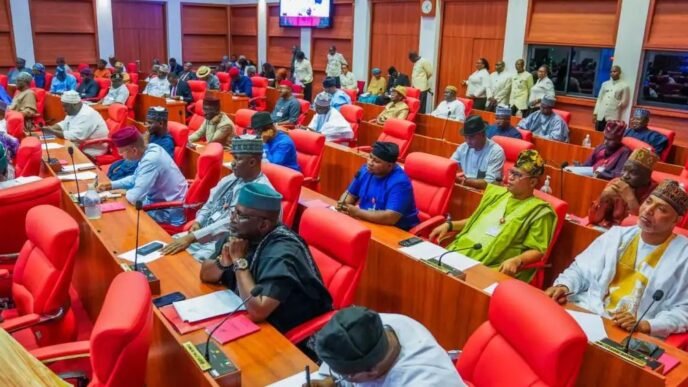
February 19, 2026 — Members of the National Assembly have strongly criticized the proposed 2026 budget allocations for Nigeria’s intelligence sector, describing the figures as “abysmal” and a direct contradiction of President Bola Tinubu’s promises to prioritize national security.
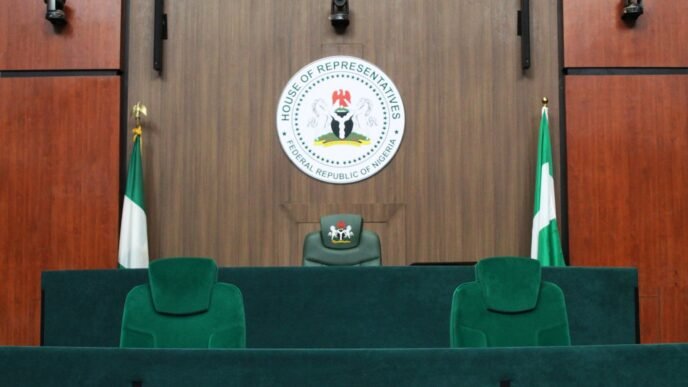
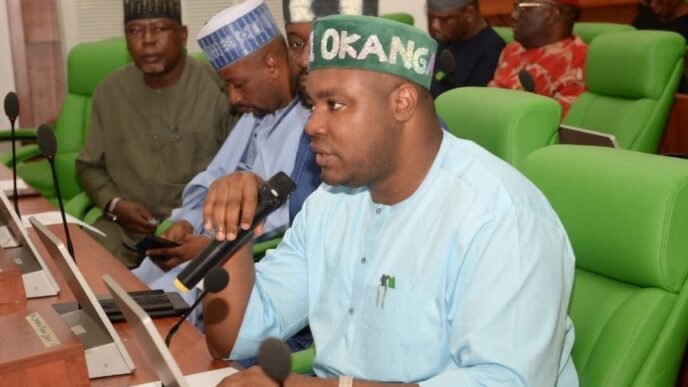
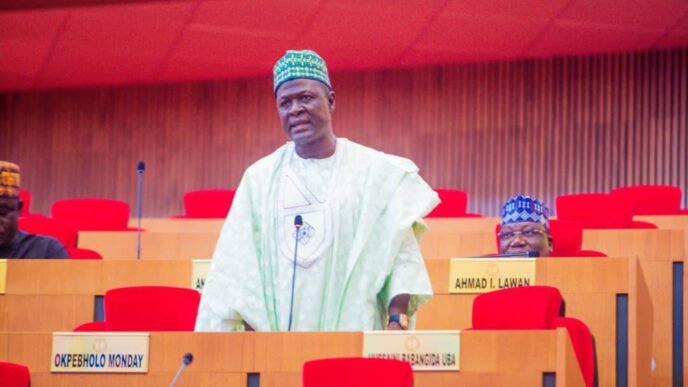
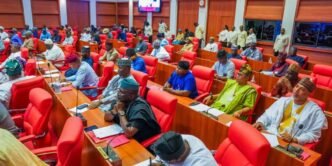
During budget defense sessions yesterday the House of Representatives Committee on National Security and Intelligence expressed alarm that the funding template does not reflect the administration’s declared “state of emergency” on insecurity.
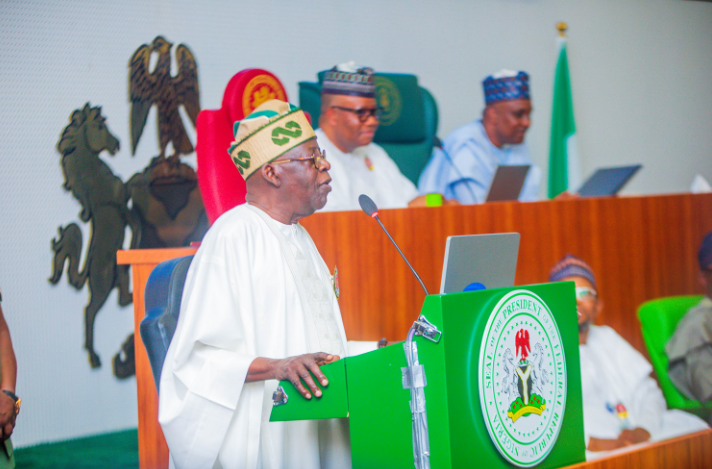
In December 2025, President Tinubu presented a N58 trillion Appropriation Bill, earmarking N5.41 trillion for the broader defense and security sector. However, the House Committee Chairman, Ahmed Satomi argued that the specific sub-sector comprising the Office of the National Security Adviser (ONSA), the DSS, and the NIA is being starved of necessary resources.
“If indeed the provision of welfare and security is the primary purpose of governance, then releases to the security sector should not be treated trivially,” Satomi stated.
The 2026 proposal for the intelligence community includes:
Personnel Costs: N245.94 billion
Overhead Costs: N131.27 billion
Capital Expenditure: N286.90 billion
Lawmakers noted that these figures, coupled with poor fund releases in 2025, suggest a “disconnect” between executive policy and fiscal reality.
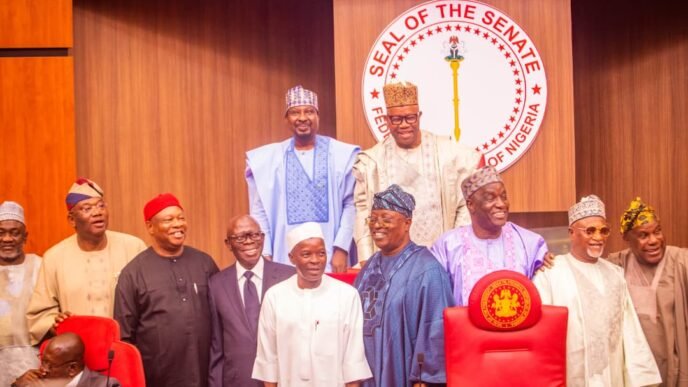
In a parallel session, the Senate Committee on National Security and Intelligence attacked the “envelope budgeting” system—a model that sets fixed expenditure ceilings for agencies.
Senator Yahaya Abdullahi, the committee chairman, warned that this rigid structure is fundamentally ill-equipped to handle the fluid nature of modern threats like banditry, kidnapping, and insurgency. He argued that fixed caps prevent security agencies from mounting rapid responses to emerging crises.
The Permanent Secretary of Special Services at ONSA, Mohammed Sanusi, highlighted several factors crippling the intelligence community’s effectiveness:
Forex Volatility: Many service agreements are denominated in foreign currency, causing costs to skyrocket.
Stalled Projects: Capital releases for 2025 were reportedly so poor that critical surveillance and infrastructure projects have ground to a halt.
Maintenance Costs: Significant funds are being drained by the maintenance of the Presidential Air Fleet, which must currently be serviced abroad.
The committees warned security heads against viewing legislative scrutiny as “hostility,” emphasizing that transparency is a constitutional requirement.
Moving forward, the National Assembly has hinted at a potential supplementary budget or a complete overhaul of funding modalities to ensure that intelligence-led operations are not stifled by bureaucratic bottlenecks.