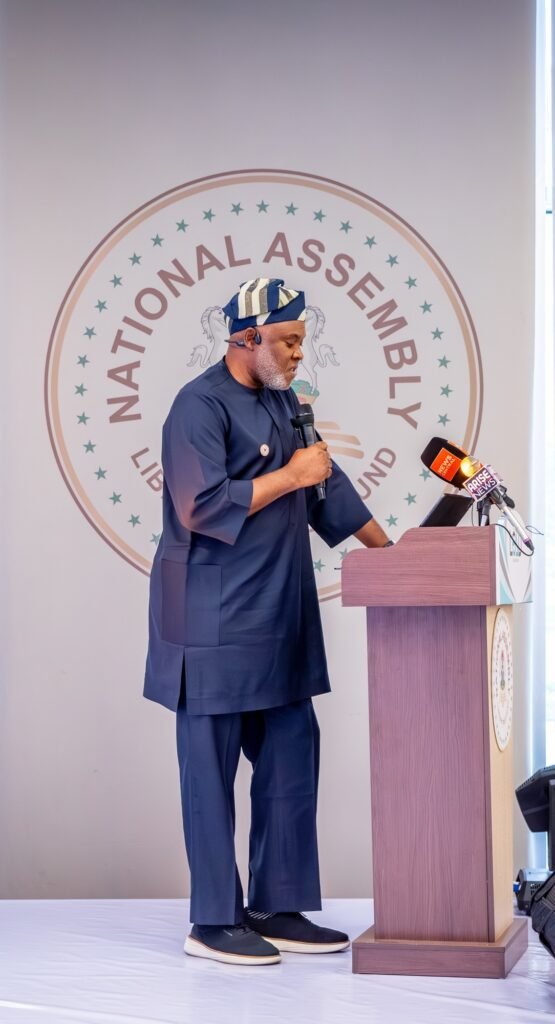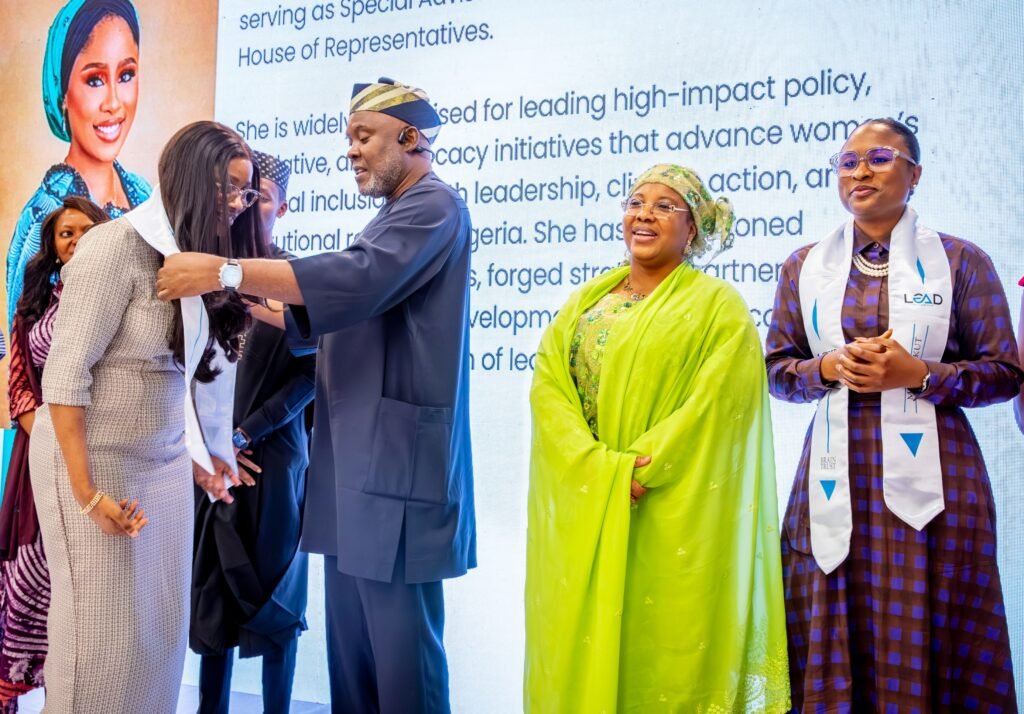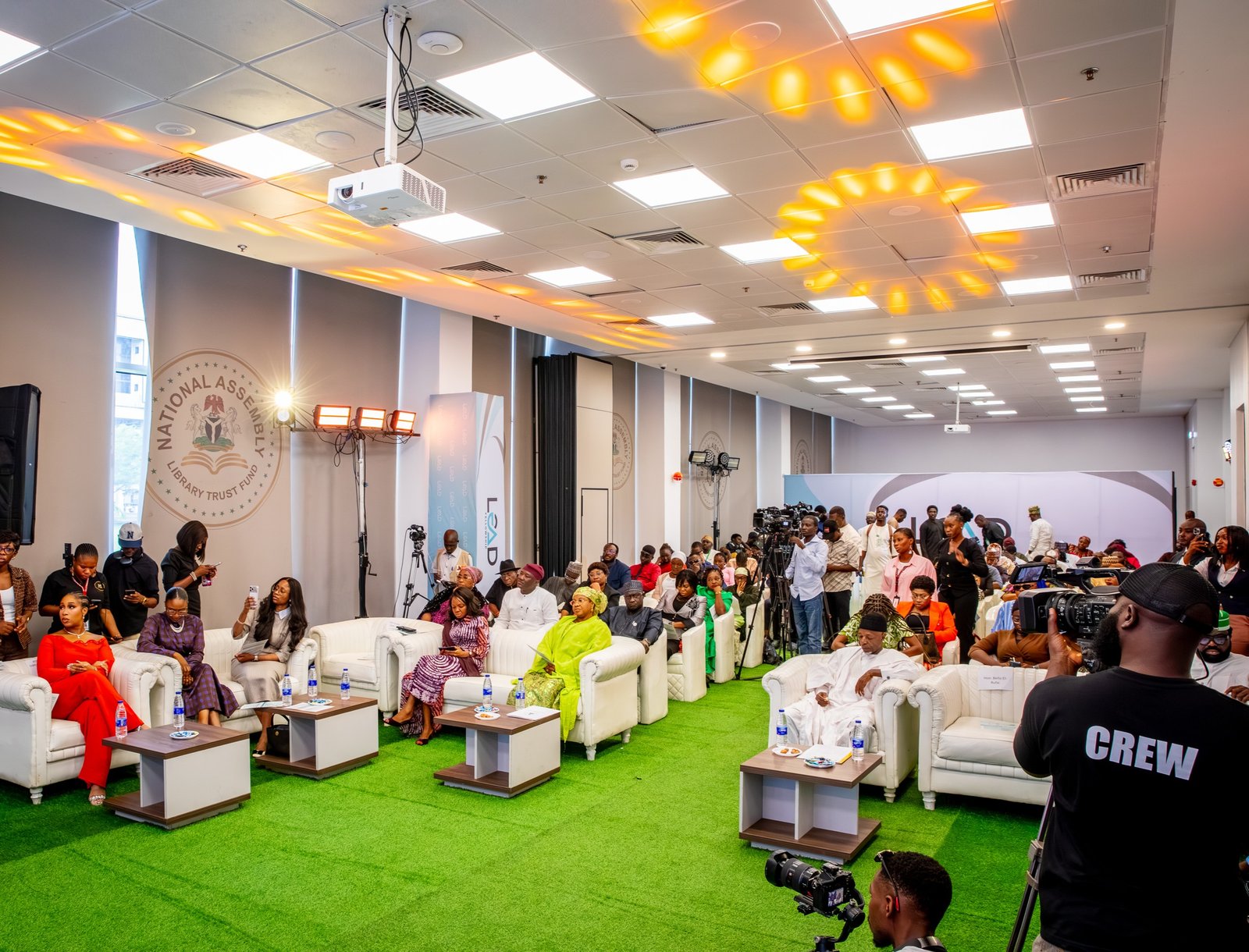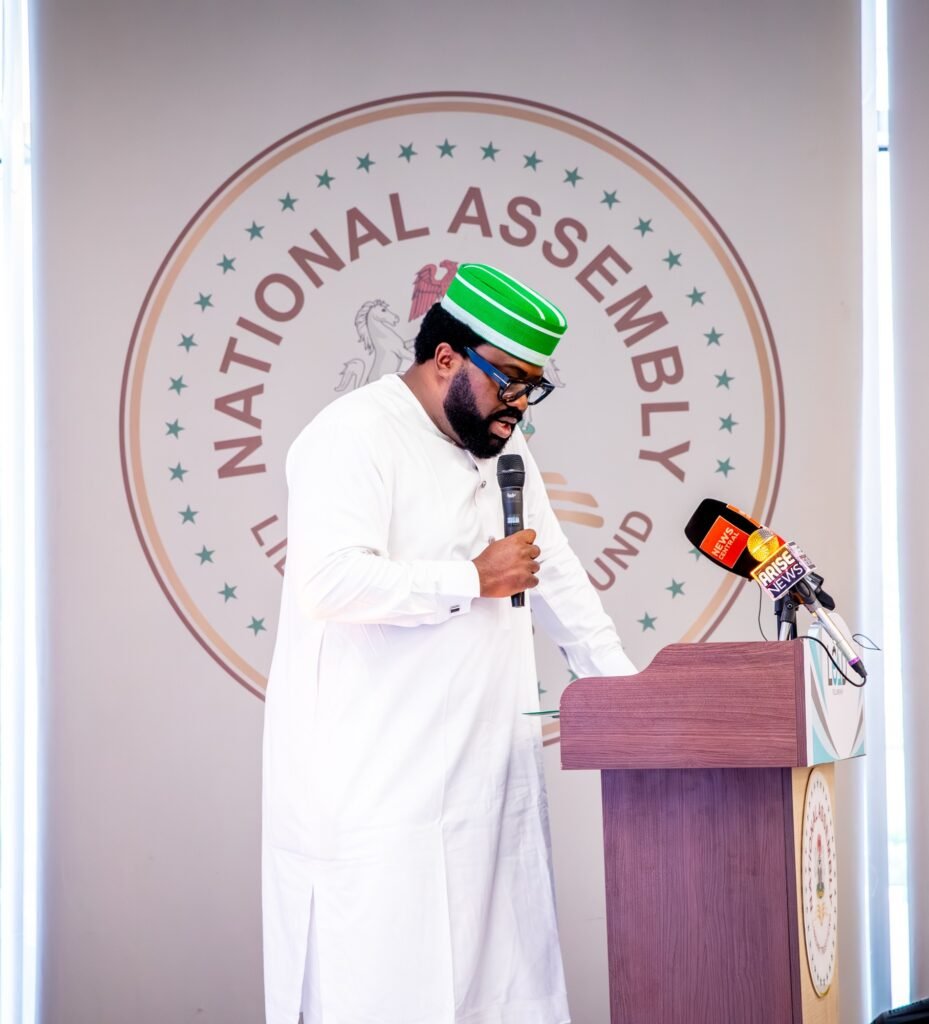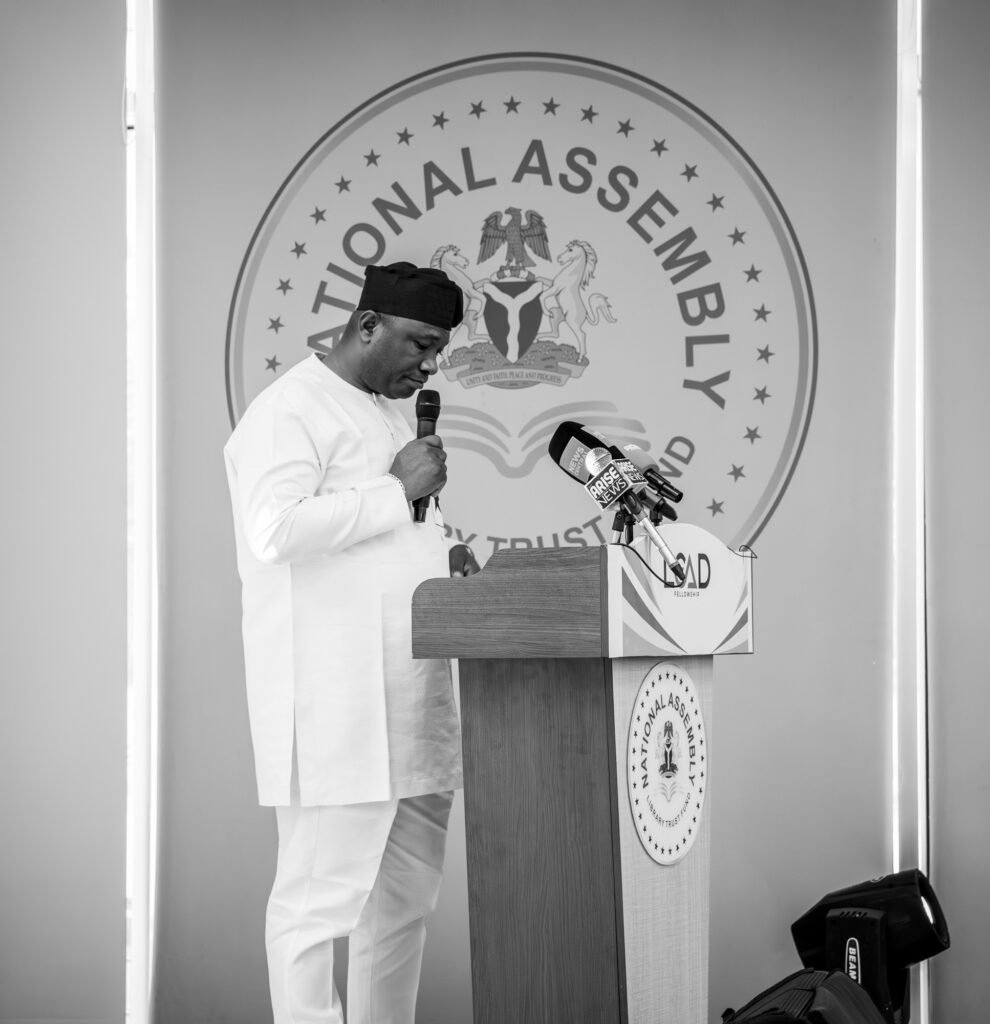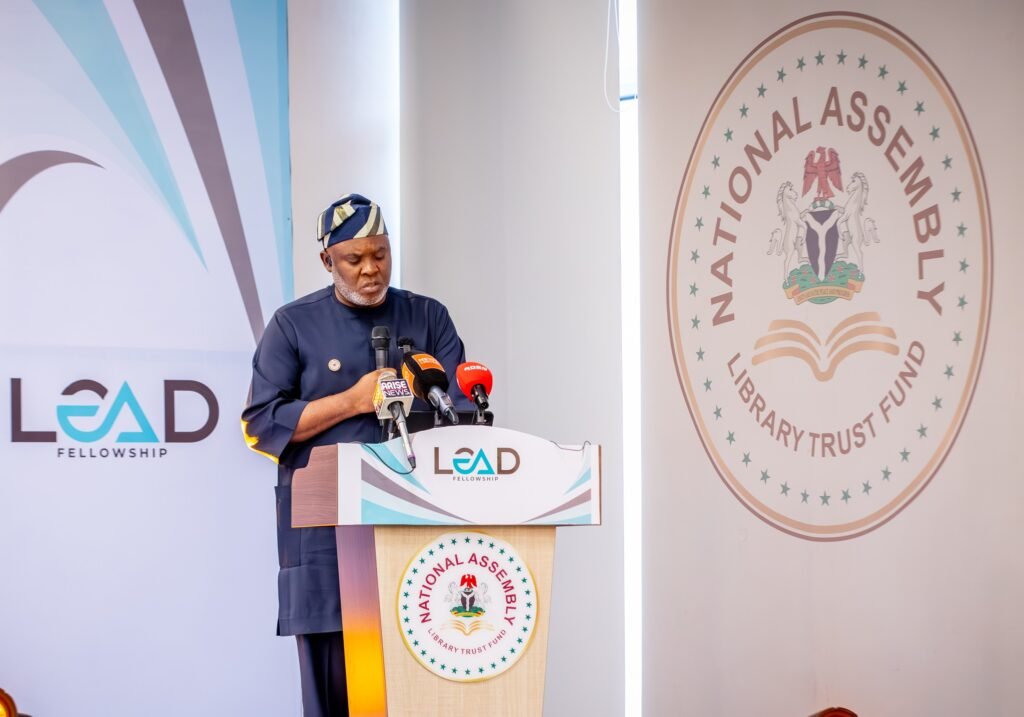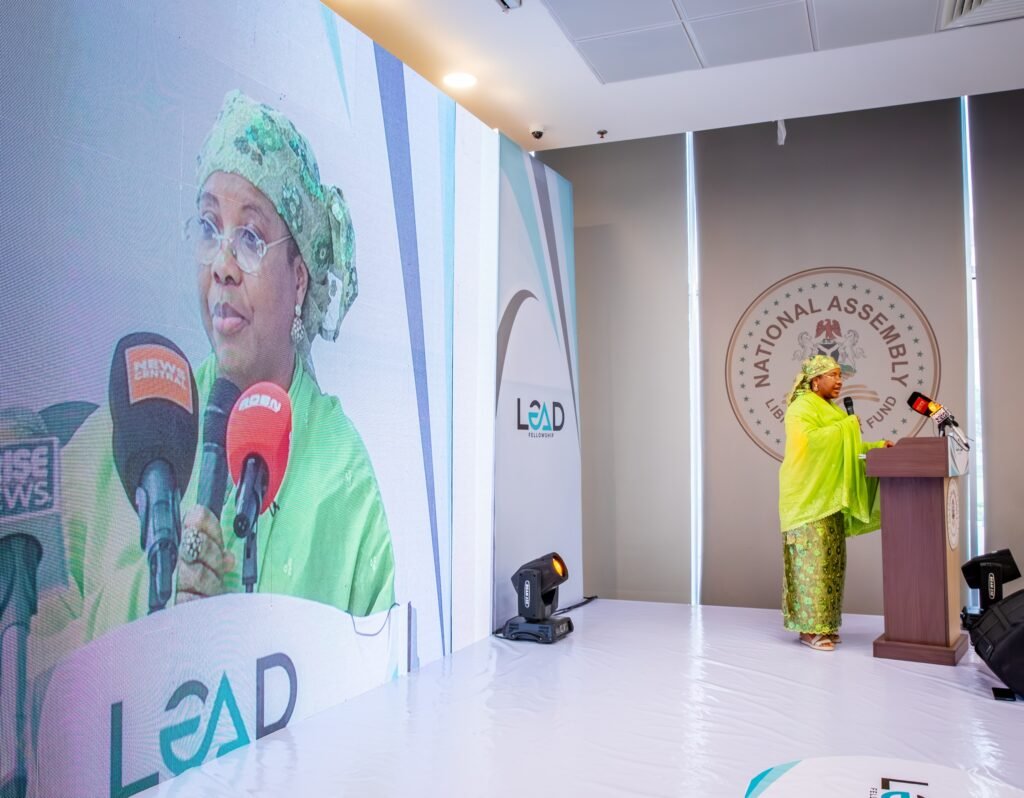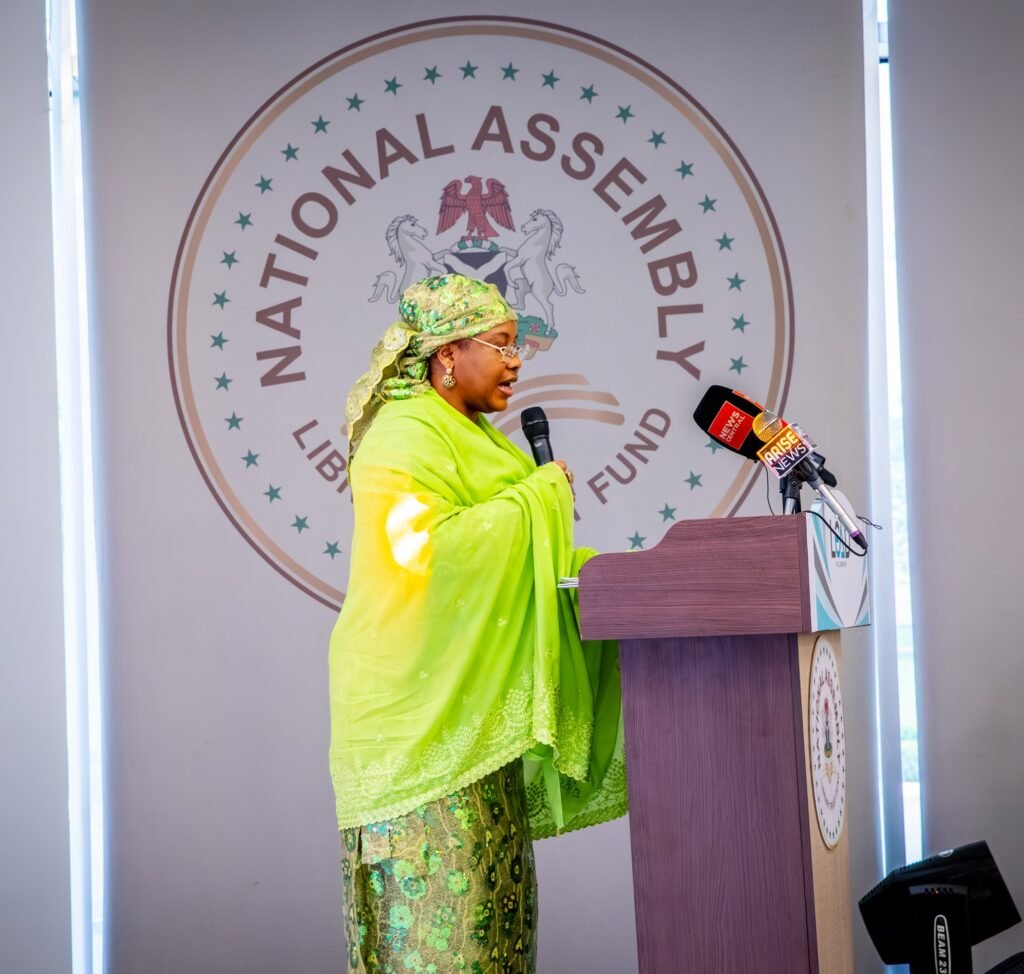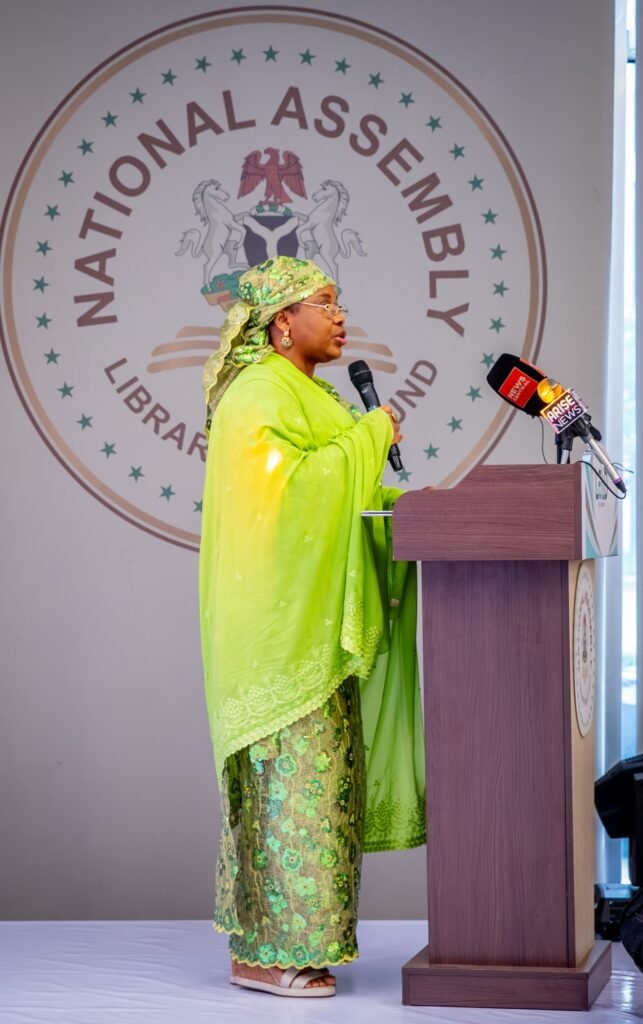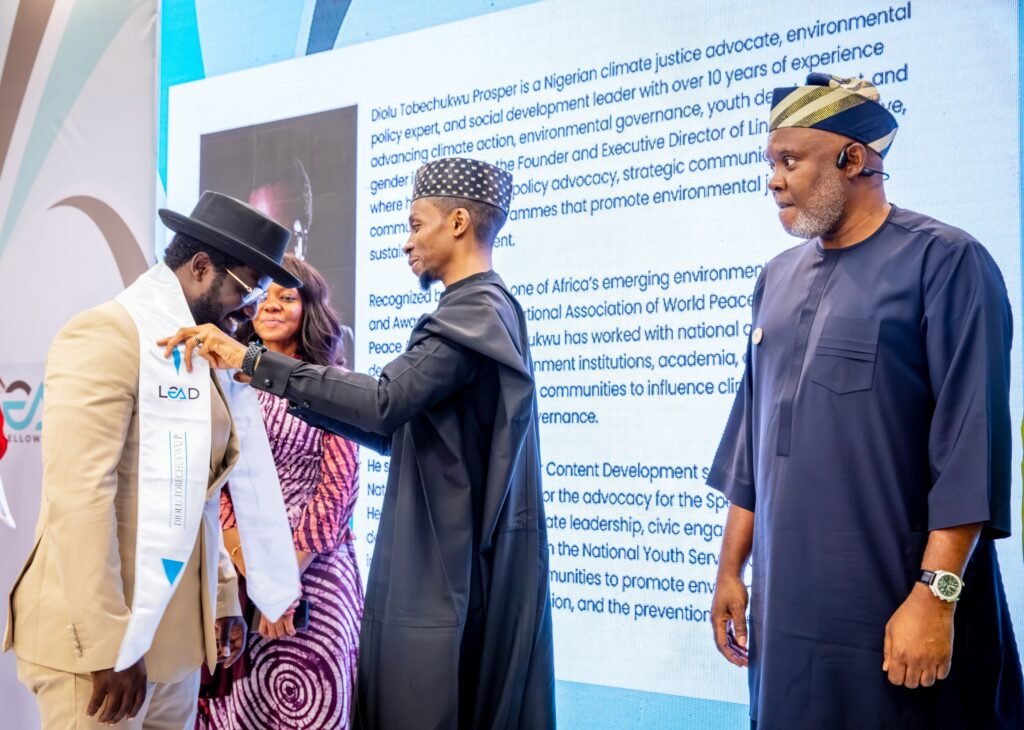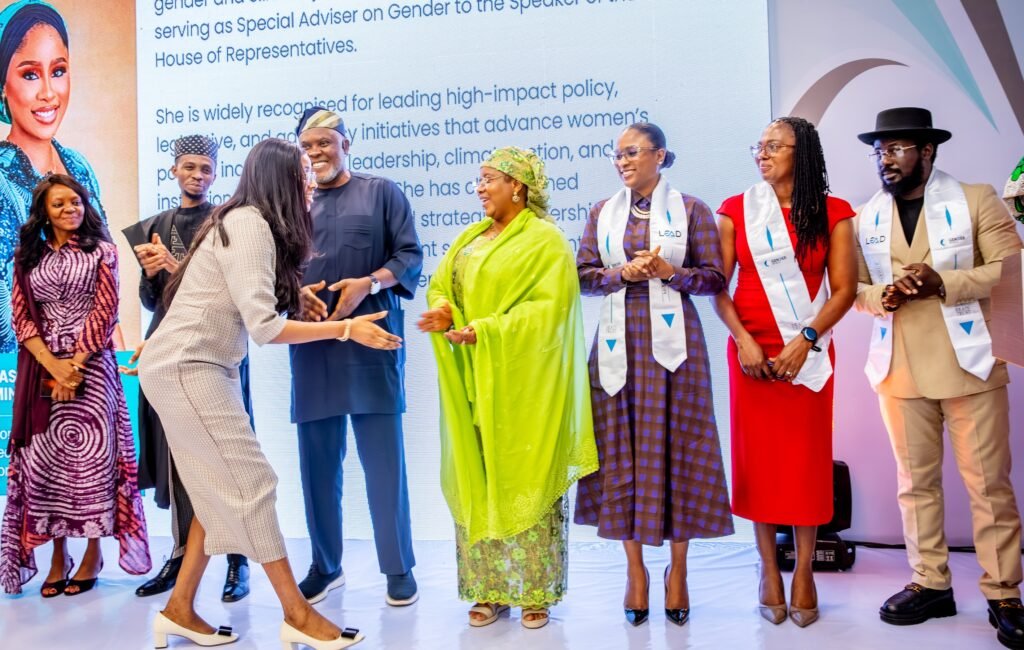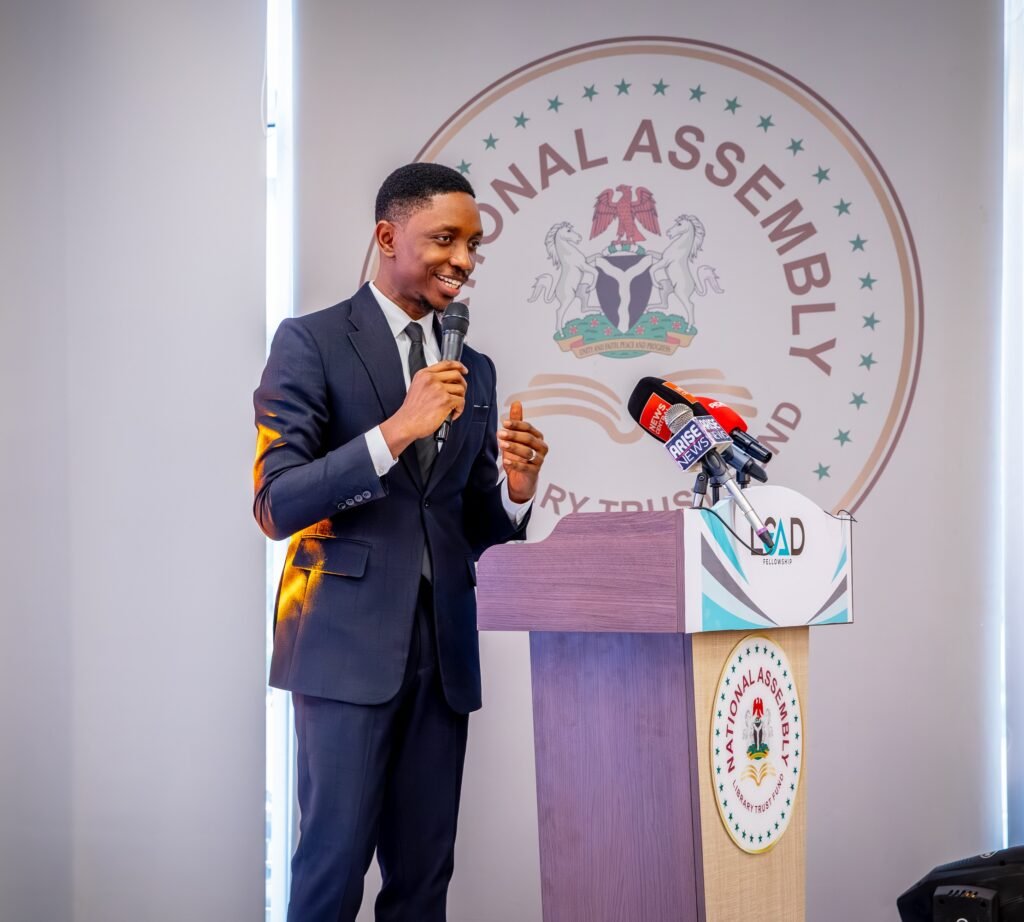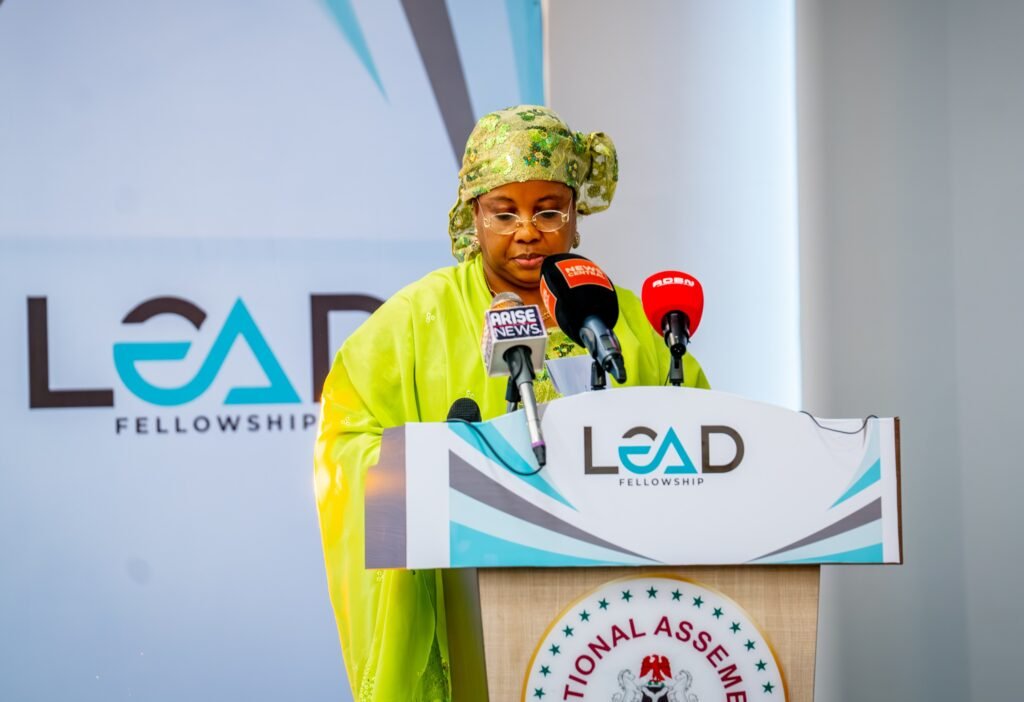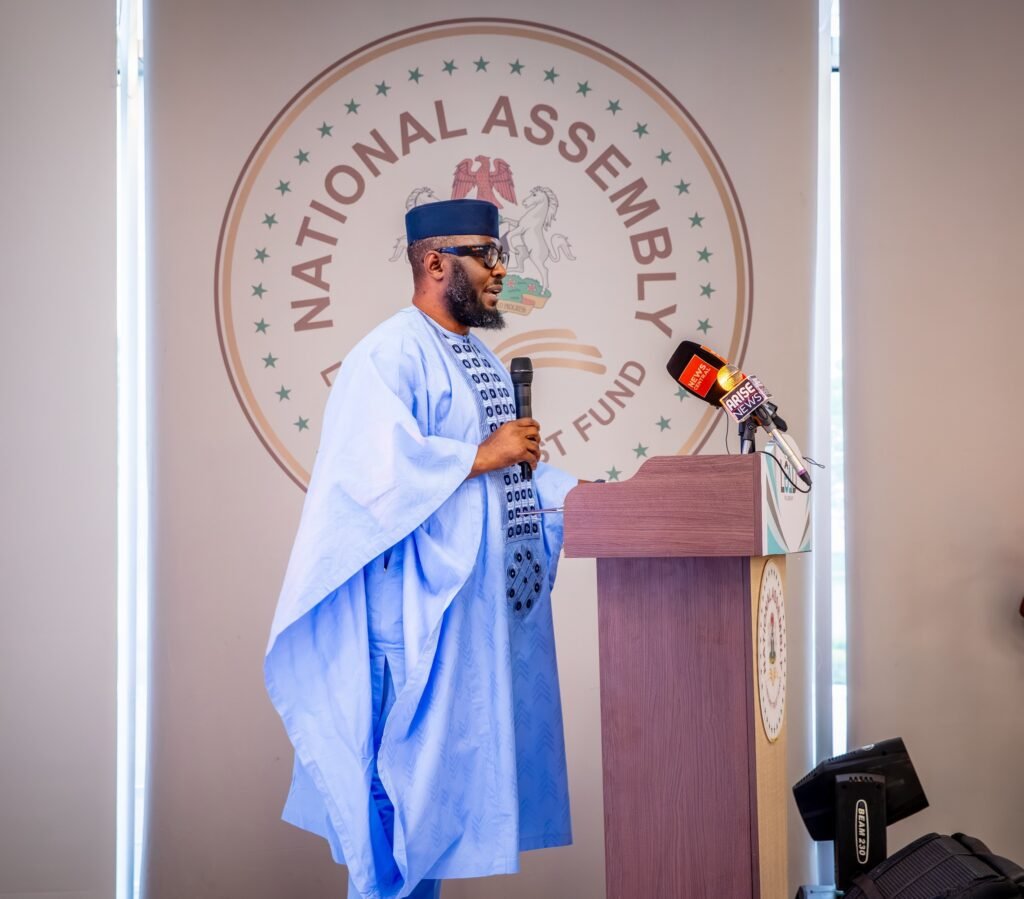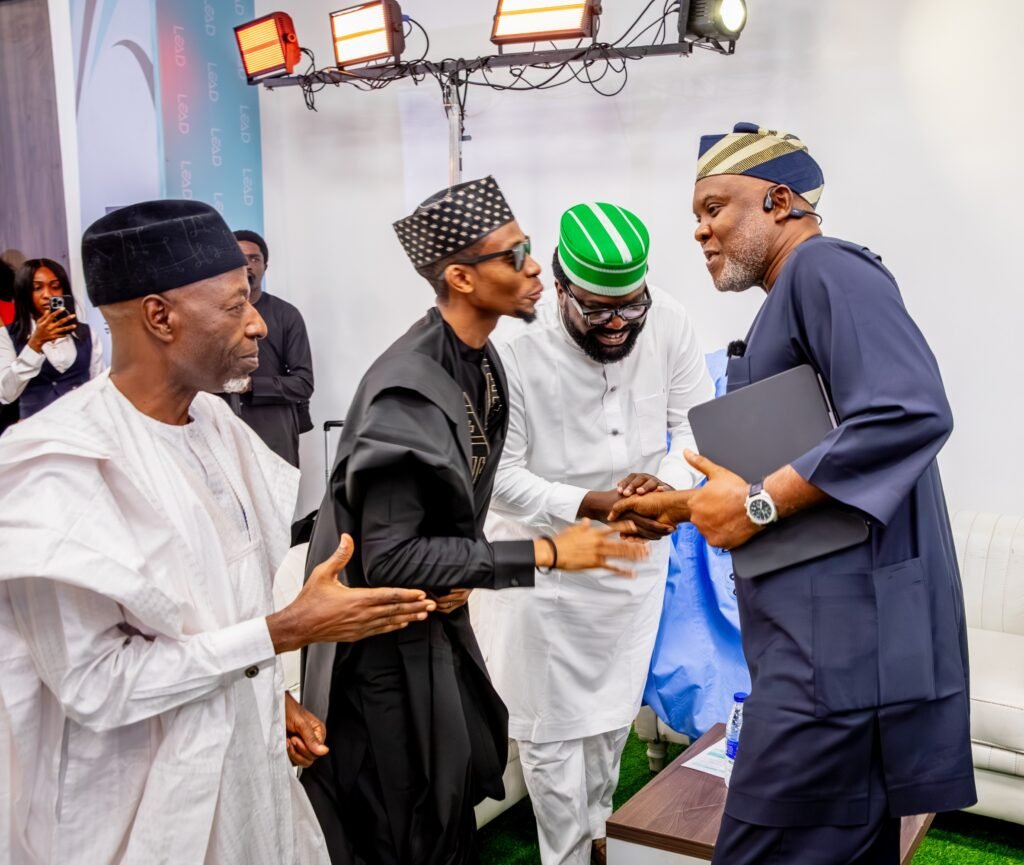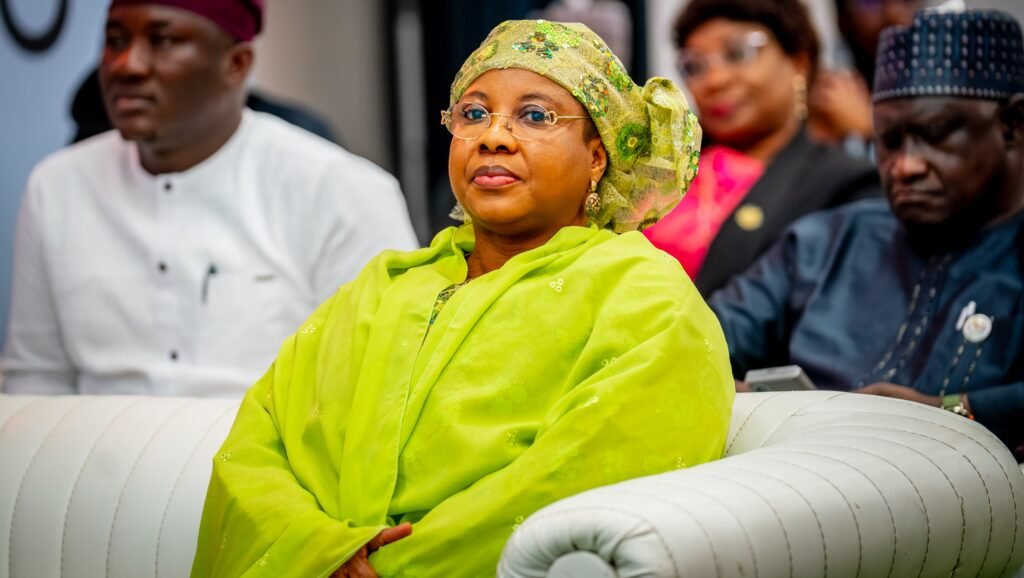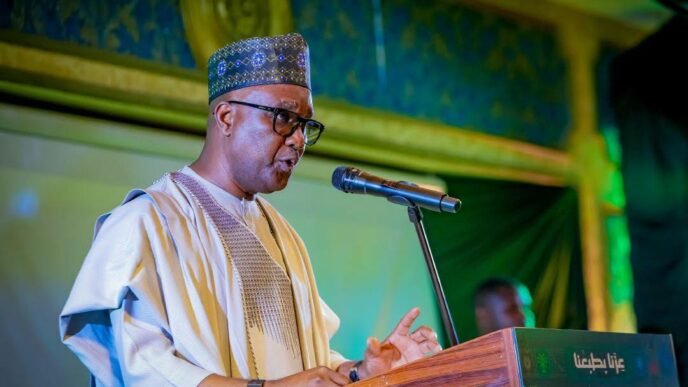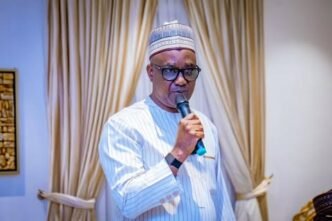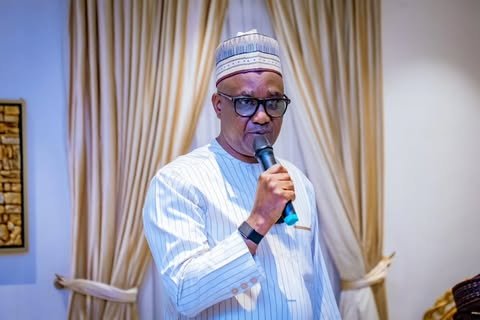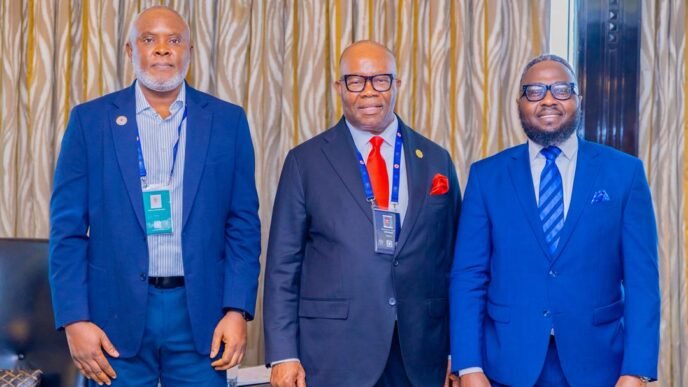
The National Assembly Library on Tuesday, 4th August 2026, played host to the unveiling of the Leadership for Equity, Advocacy and Development (LEAD) Fellowship, an initiative of the Gender Mobile Initiative designed to bridge the gap between campus leadership and mainstream governance in Nigeria.
The event brought together lawmakers, academics, civil society actors and a new generation of student and youth leaders for a day of reflection on what it truly means to lead.
Declaring the Library’s doors open to the fellowship, the Executive Secretary of the Library, Rt. Hon. Henry Nwawuba, described the initiative as a vision worthy of collective support. He noted that while many young Nigerians in tertiary institutions show strong leadership potential, the transition to national leadership often lacks the institutional scaffolding to sustain it, a gap he said the LEAD Fellowship was commendably positioned to close.
Nwawuba tied the Library’s own transformation into what he called a modern parliamentary knowledge institution to this same mission, pointing to its expanded digital resources, strengthened legislative research and growing portfolio of strategic partnerships as evidence that leadership, at its root, begins with knowledge. He commended the Office of the Speaker of the House of Representatives, the Gender Mobile Initiative and the National Institute for Legislative and Democratic Studies (NILDS) for bringing the vision to life, and urged the incoming Fellows to approach the opportunity with humility, discipline and excellence, reminding them that leadership is defined not by position but by service and integrity. Executive Secretary’s charge set the tone for the rest of the ceremony.
In remarks delivered on his behalf by Hon. Kafilat Ogbara, Chairwoman of the House Committee on Women Affairs, the Speaker of the House of Representatives, Rt. Hon. Abbas Tajudeen, described the unveiling as a timely reminder that Nigeria’s future will be shaped by leaders who choose service over status, integrity over expediency, and collaboration over division. He told the Fellows that the nation needs a generation that is not only ambitious but ethical, inclusive, technologically equipped and committed to solving the challenges that define this era, framing leadership as an act of stewardship that calls on its bearers to widen the circle of opportunity, strengthen public trust and ensure that no one is left behind.
He commended the founders of the initiative for investing in leaders who will help build a more inclusive and resilient Nigeria, and said he looked forward to the ideas they would champion and the impact they would ultimately create.
The gathering also heard from Dr. Dapo Oyewole, Secretary General of the Conference of Speakers and Presidents of African Legislators, who situated the fellowship within the long arc of Nigerian student activism, from resistance to colonial rule through decades of engagement with military and civilian governments. He reminded the Fellows that leadership is about purpose rather than ambition, that impact endures long after office is vacated, and that the networks and alliances built along the way often matter as much as the positions held.
Whatever power a leader is given, he said, should be used for kindness and wisdom.
Dr. Dabesaki Mac-Ikemenjima, a youth development expert built on this reflection, stressing the importance of equity and transition in preparing young leaders for political roles, and calling for mentors with the credentials and credibility to guide fellows as they move from student-level politics into policy and public leadership.
Representing the Speaker, Hon. Ogbara also used the occasion to challenge the Fellowship to look beyond its launch toward long-term impact, calling for the establishment of a LEAD Alumni Policy Network to sustain learning and collaboration among Fellows well after the programme ends. She spoke to the House of Representatives’ commitment to working with the Gender Mobile Initiative on democratic reform, including proposed special seats for women in the ongoing constitutional review, and argued that the most consequential investment any country can make is in its people.
Spokesperson of the House of Representatives, Hon. Akintunde Rotimi, framed the LEAD Fellowship as the formal expression of a partnership between the House and the initiative, one he said would anchor a youth engagement strategy to be renewed twice annually. He pointed to democratic participation and grassroots leadership as the foundation of that partnership, citing Senator Bamidele Opeyemi’s tenure as SUG President at the University of Benin as an example of the kind of grounded, community-rooted leadership the Fellowship hopes to cultivate.
For the Fellows in the room, Hon. Rotimi said the programme was best understood as an entry point into a wider space of partnership and opportunity, one to be approached with seriousness rather than treated as a mere credential. Echoing a theme that ran through much of the day, he cautioned that popularity must never be confused with leadership.
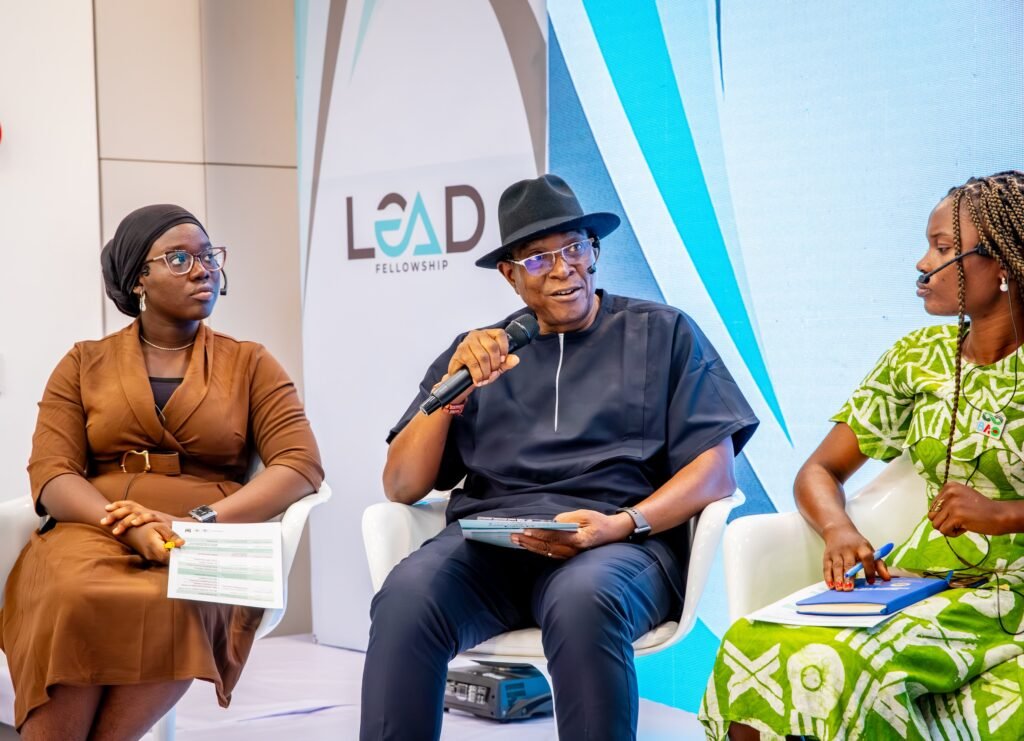
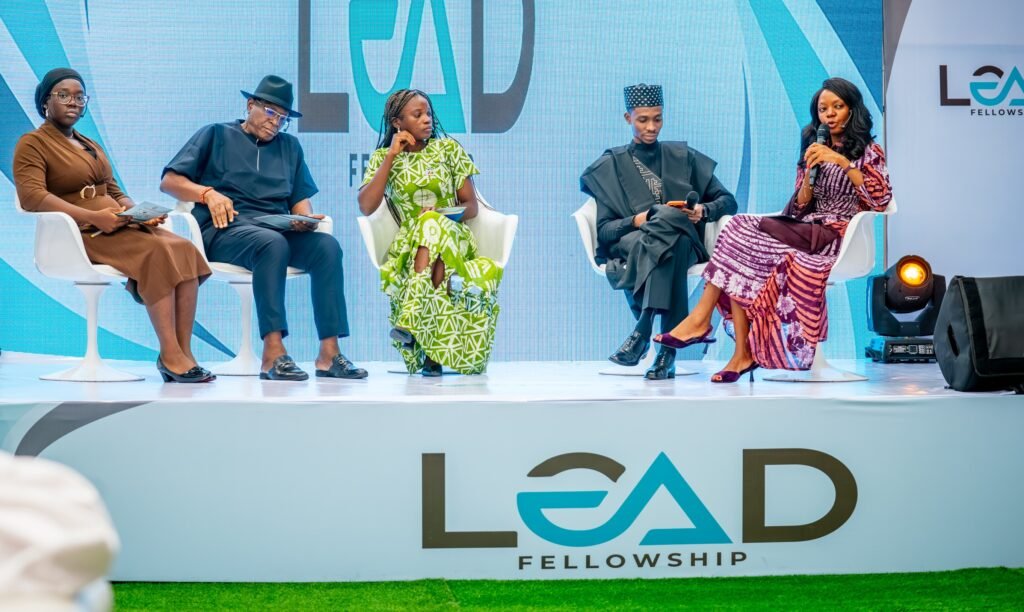
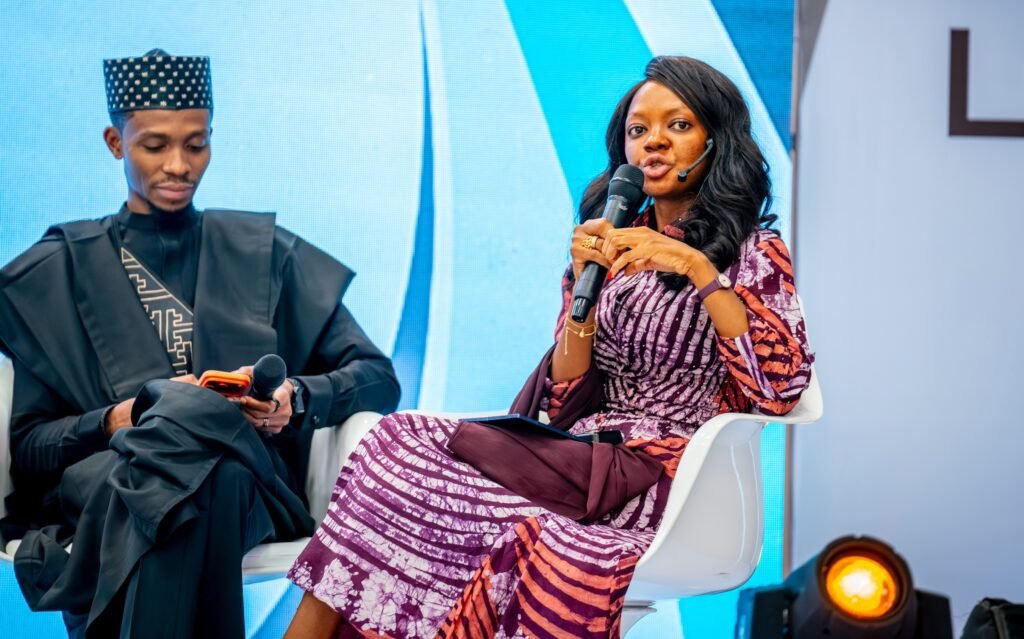
A high-level intergenerational dialogue formed the panel session of the afternoon, bringing together Hon. Muhammad Bello El-Rufai, Ms. Modupe Adetiba, Professor Douglason Omotor, Miss Amra Salihu and moderator Miss Omowumi Ogunrotimi, Esq, Executive Lead of the Gender Mobile Initiative. The panel wrestled candidly with what one speaker termed the democratic formation gap in Nigerian universities, where student union politics often replicate the flaws of the national system rather than correcting them.
Ms. Adetiba, drawing on her own transition from campus unionism to public service, spoke of having to unlearn a confrontational mindset in favour of diplomacy, and of the difference between chasing populism and building systemic impact. Professor Omotor argued that universities must extend civic responsibility and accountability into their curricula well beyond political science, while Miss Salihu called for standard mentorship platforms and stronger supervision of student elections to guard against manipulation and ensure that women, minorities and persons with disabilities can contest and lead without fear.
Later sessions turned to the architecture of the fellowship itself. Mr. Abubakar Abdullahi outlined a programme built around a virtual learning lab, a twelve-module curriculum, learning circles, policy competitions and technical placements, all designed to close both the formation gap and the transition gap facing young Nigerian leaders. The Fellowship has already secured strategic partnerships, including engagement with the Office of the Honourable Speaker for Legislative and Democratic Studies and the Open Society Foundation, and plans to expand to ten pilot tertiary institutions with a target of one thousand Fellows. Its learning management system is expected to support one thousand registrations and issue one thousand certificates as the programme scales.
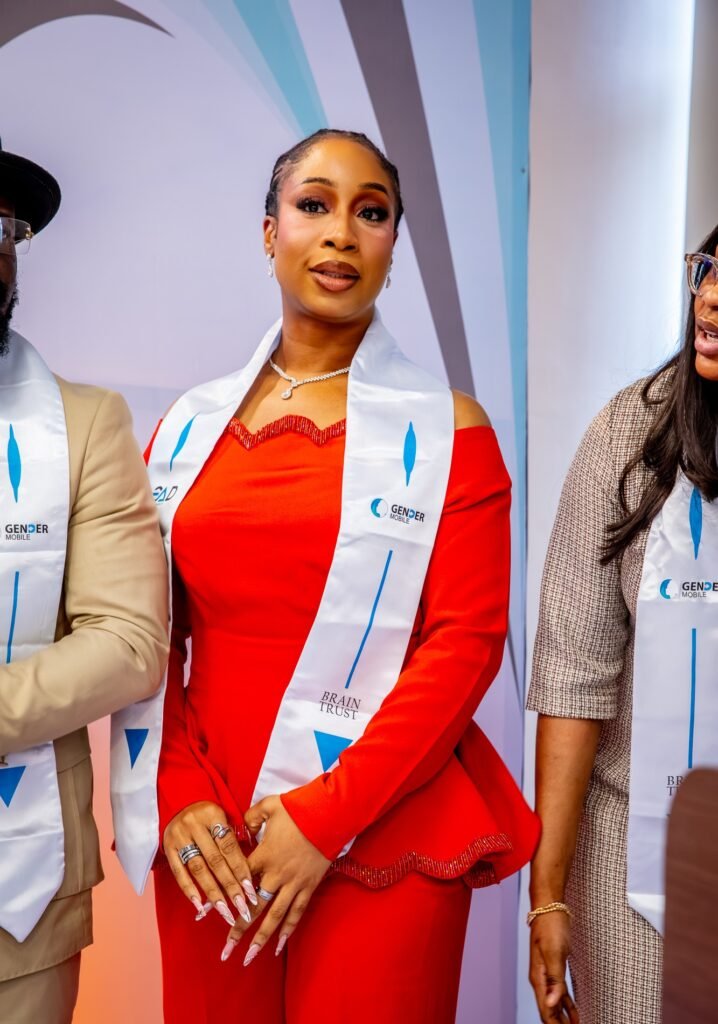
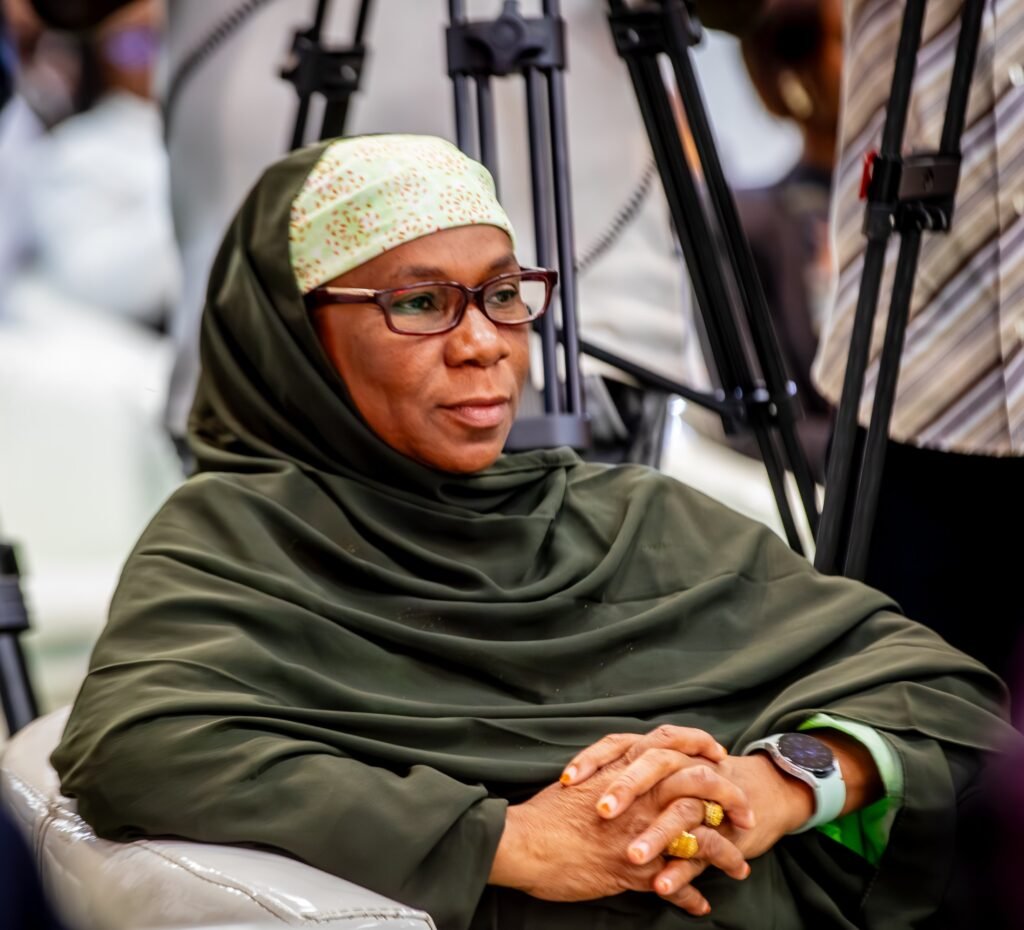
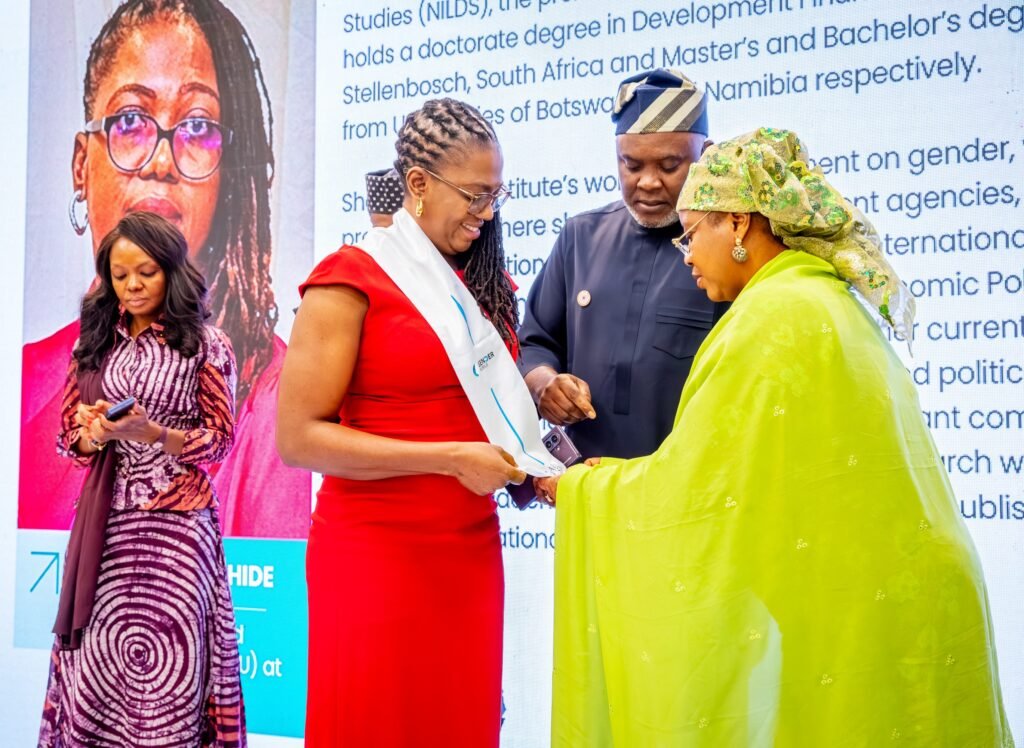
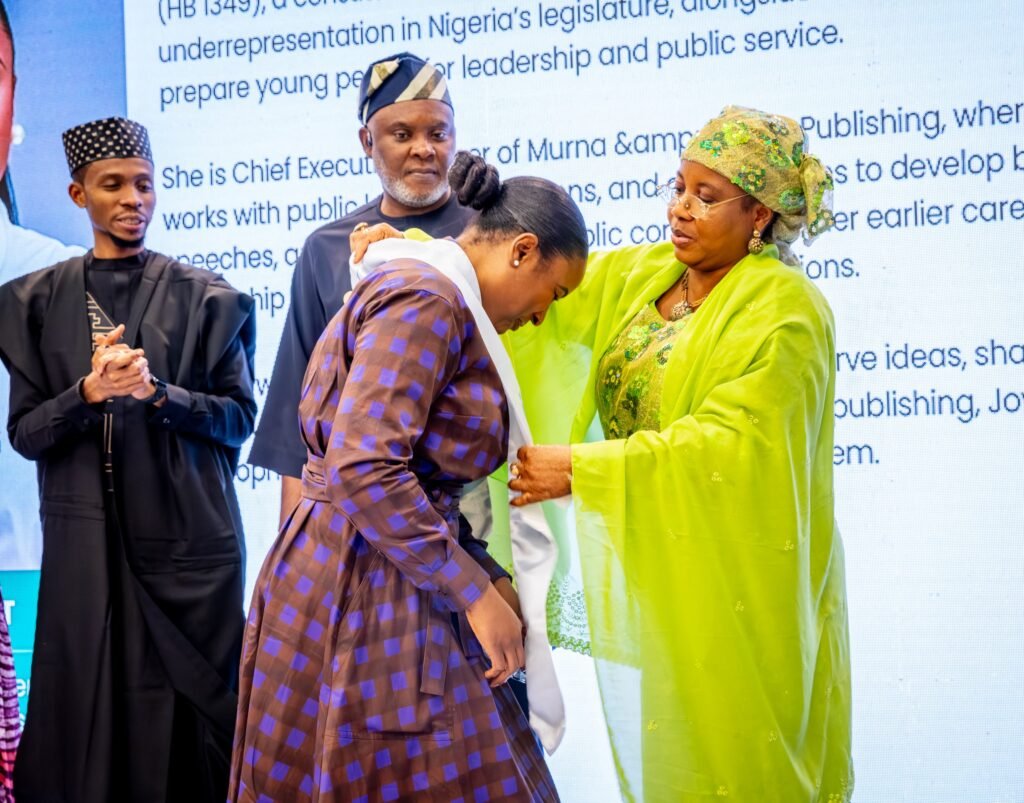
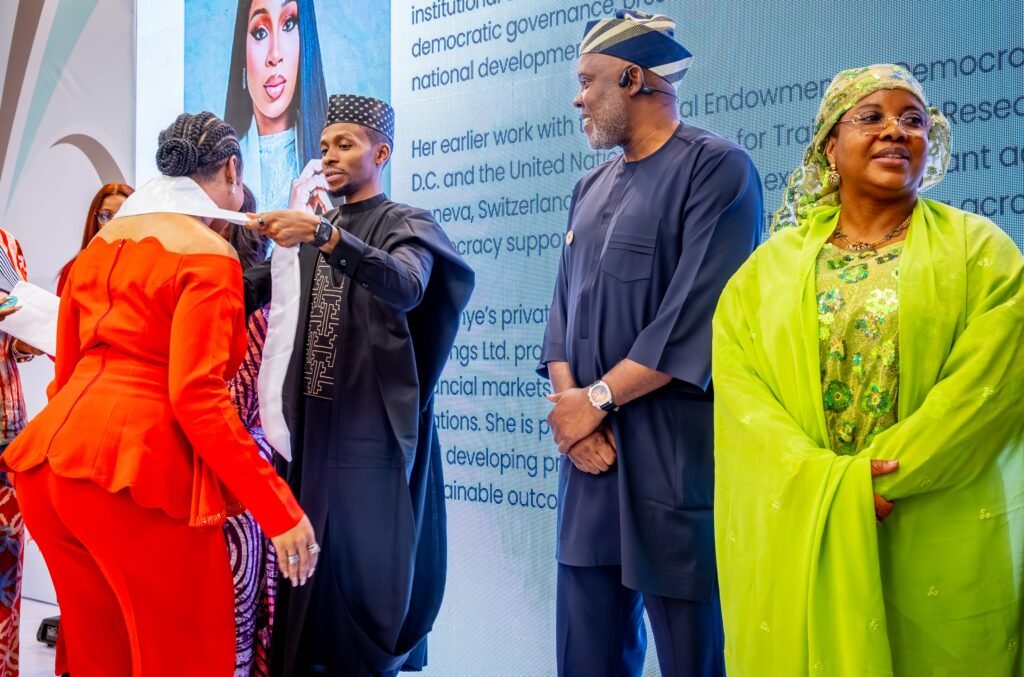
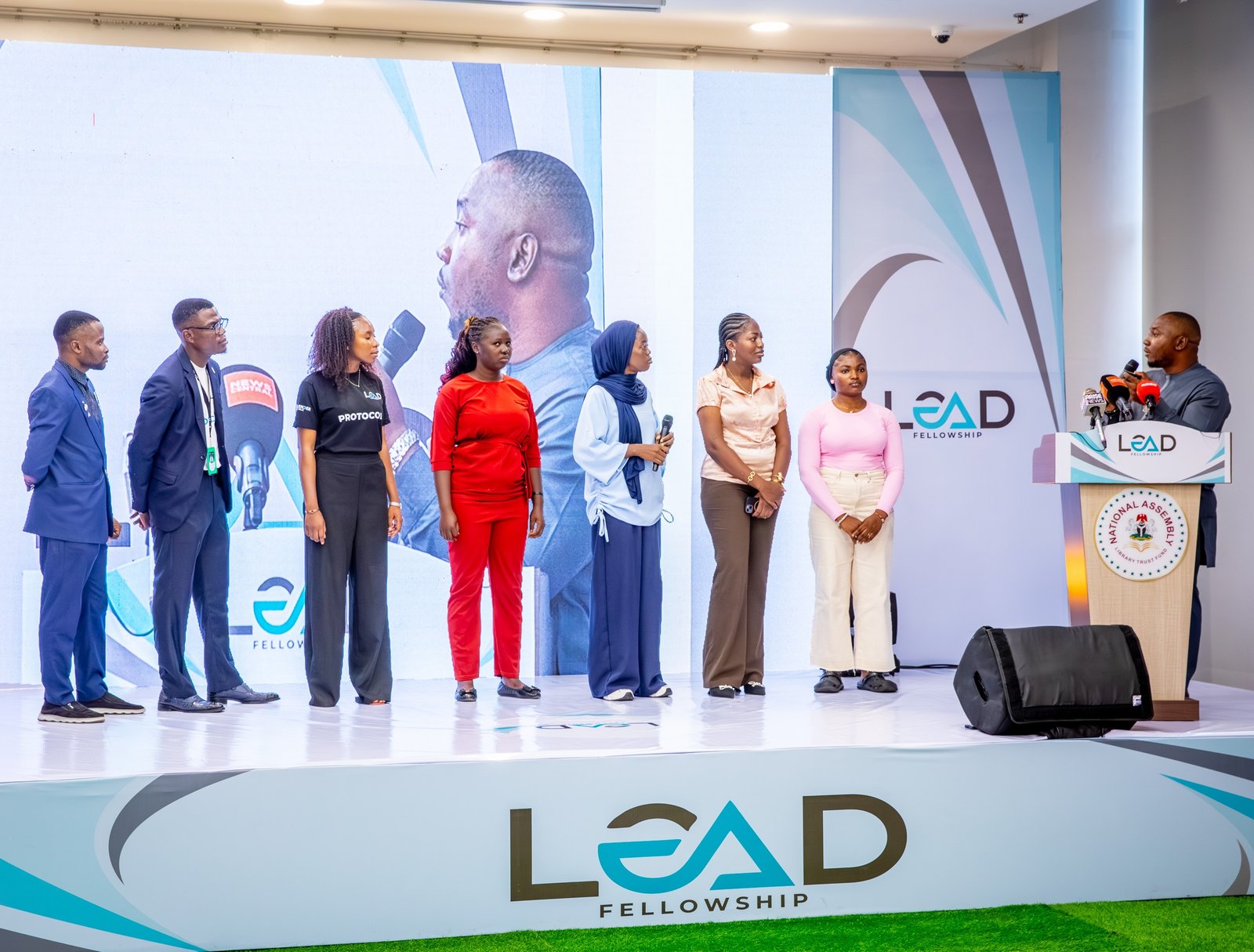
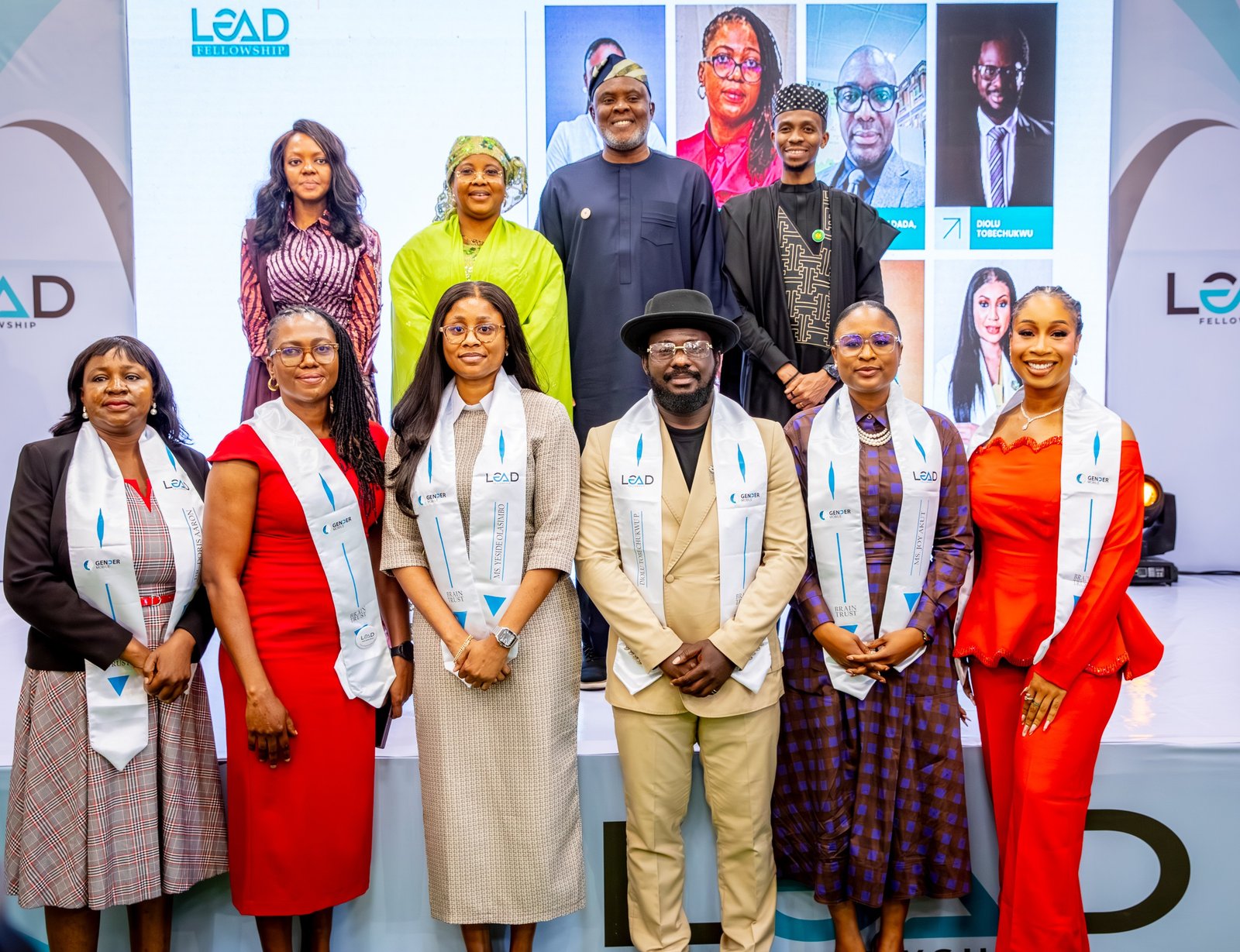
The day closed with the unveiling of the LEAD Brain Trust, a team of mentors and strategic advisers assembled to guide the Fellowship going forward. Among those introduced were Joy Ackerman of the Office of the Deputy Speaker of the House of Representatives, recognised for her work on the constitutional amendment addressing women’s underrepresentation in the legislature; Dr. Emily Akile, Head of the Gender and Inclusivity Unit at NILDS; Prosper Reallunchu, a justice advocate with over two decades of experience in legislative practice and corporate governance; Ms. Chinenye Monde-Anumihe, Head of the Corporate Services Department at the National Assembly Library, singled out for her leadership in building institutional partnerships, driving programmes and steering media and public communications for the Library; and Doris Erron, a senior research fellow with the National Institute for Legislative and Parliamentary Studies. Comrade Kita, President of the National Association of Nigerian Students, closed out the remarks with a call for young Nigerians to be more active in politics and to hold their leaders accountable, before the event wound down with an interactive quiz on Nigerian history and leadership.
As the National Assembly Library resumes its role as host to the ideas that will shape the next generation of Nigerian leadership, the LEAD Fellowship now moves from unveiling to implementation, carrying with it the charge issued throughout the day: that leadership, ultimately, is stewardship, and its measure lies not in the offices Fellows come to occupy but in the impact they choose to make.