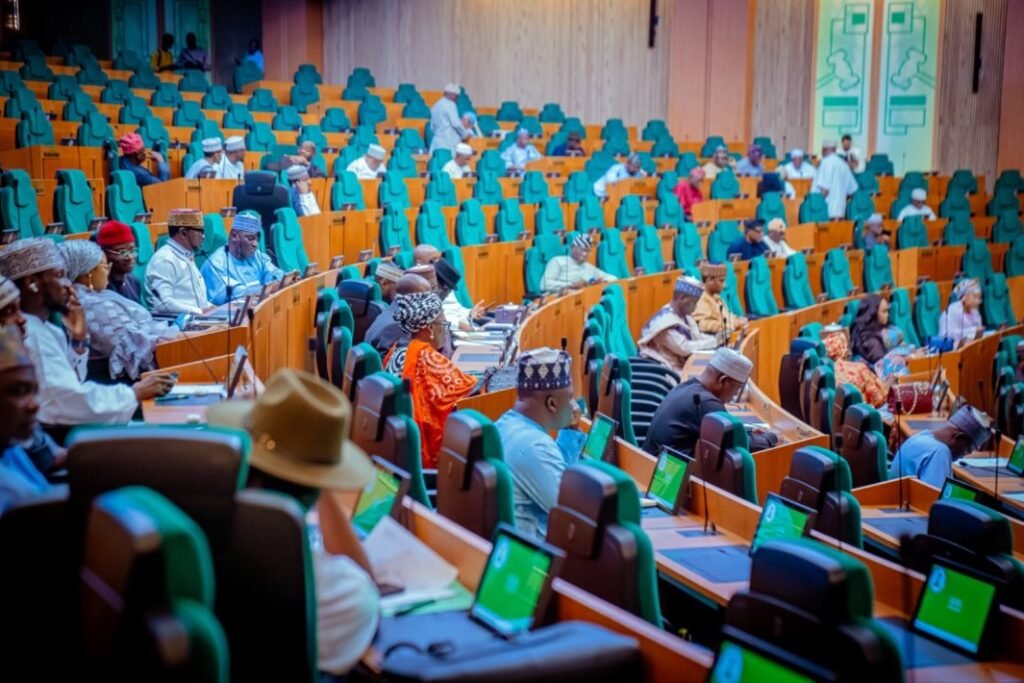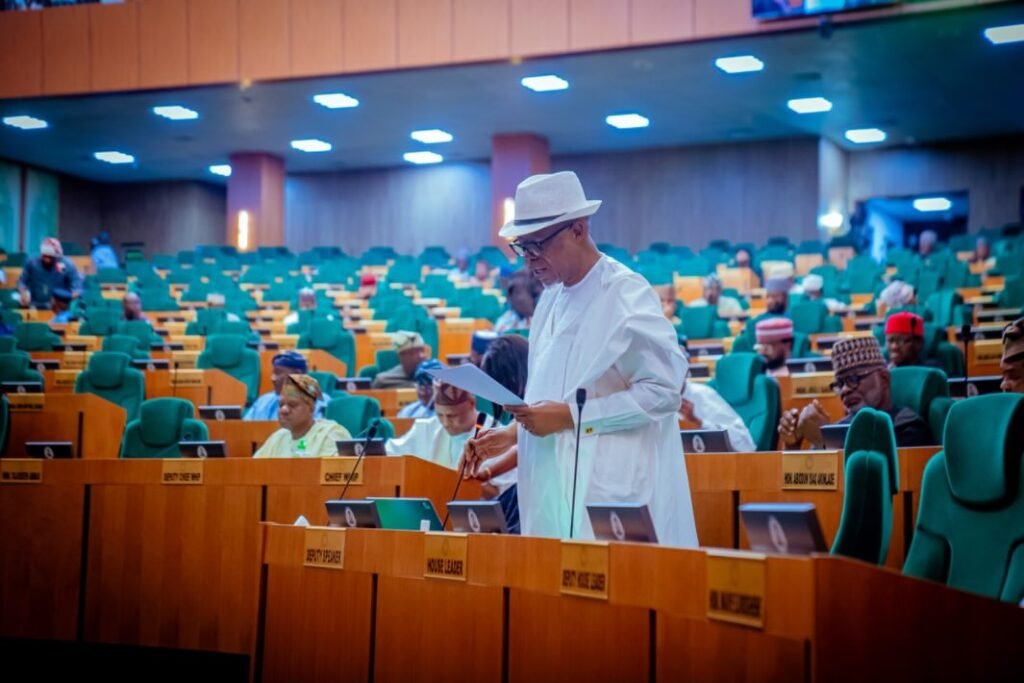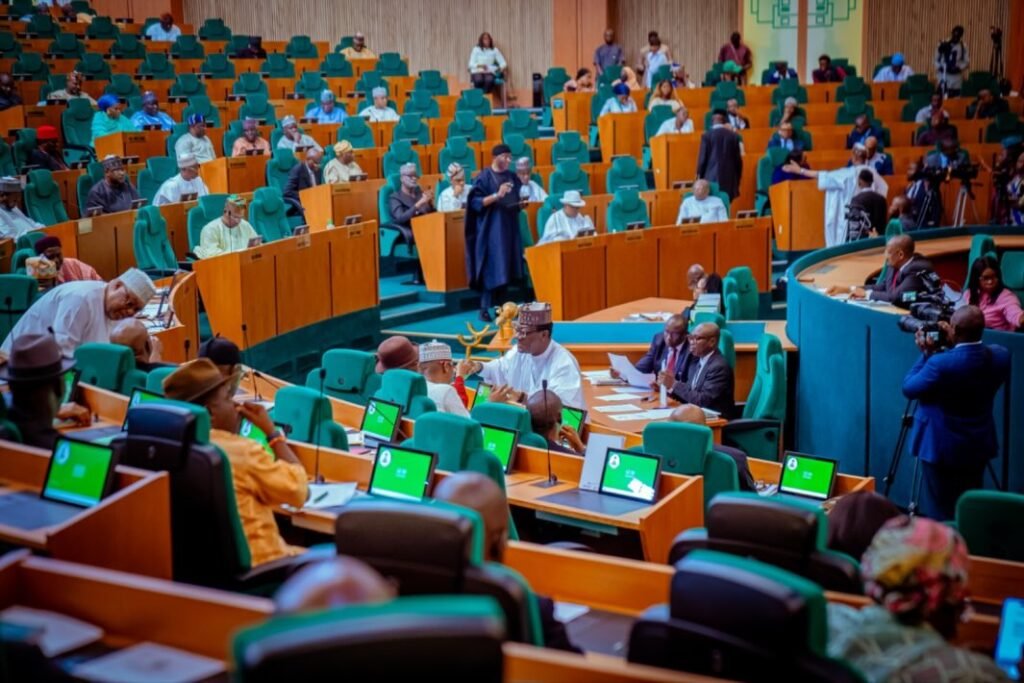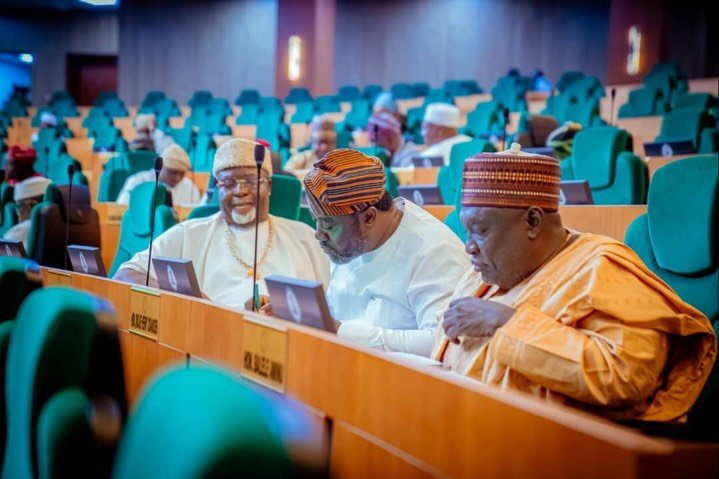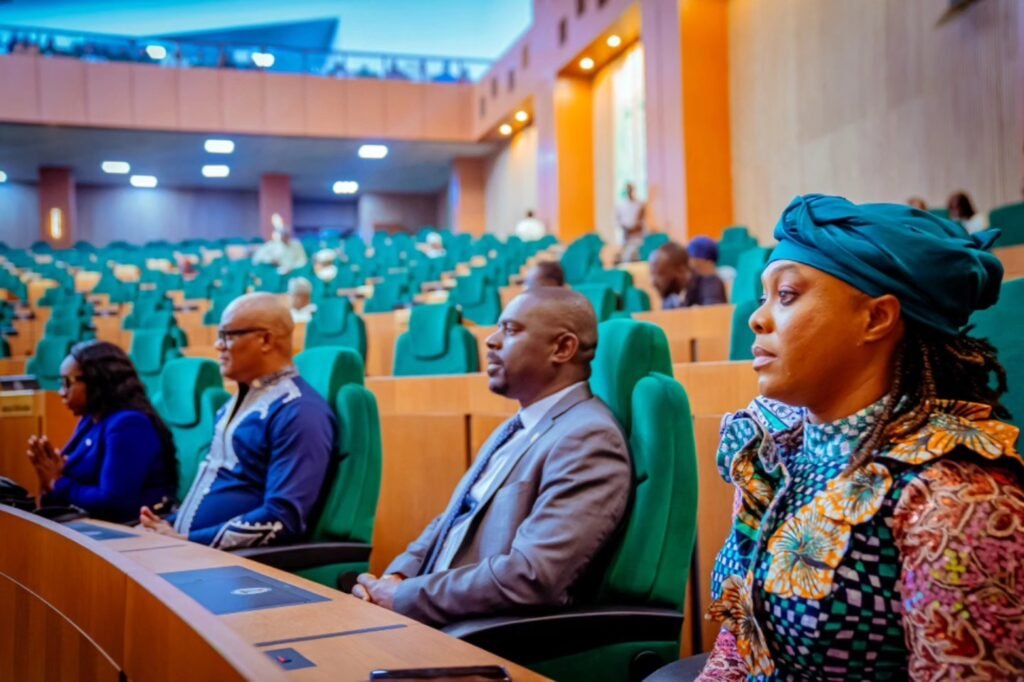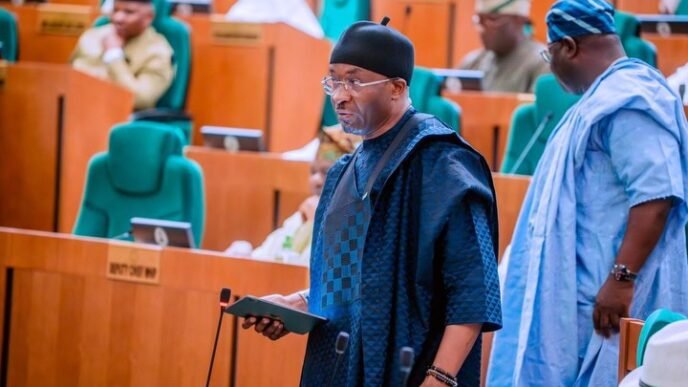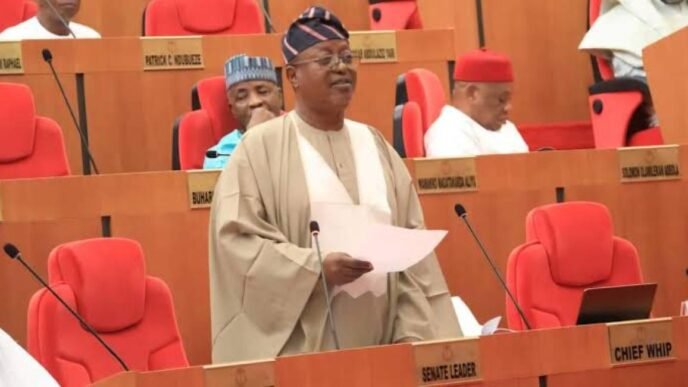

The House of Representatives convened a Special Plenary Session to assess Nigeria’s security landscape and advance a comprehensive legislative response to rising threats. Presided over by Speaker Rt. Hon. Abbas Tajudeen, the session featured presentations from key security committees and focused on reforms to modernize Nigeria’s security architecture.


Deputy Speaker Rt. Hon. Benjamin Okezie Kalu outlined a legislative framework anchored on prevention, accountability, modernization, and decentralization. Central to his proposals were:
- A prohibition on ransom payments and unstructured amnesty negotiations
- Criminal penalties for officials who engage in such practices; and clear criteria for disarmament
- A predictable and transparent funding mechanism for the Nigeria Police Force to strengthen operational readiness, mobility, training, and logistics
- Additional proposed reforms included advancing constitutional amendments for state policing, enhancing border security, and establishing a regulatory framework for the deployment and oversight of military drones
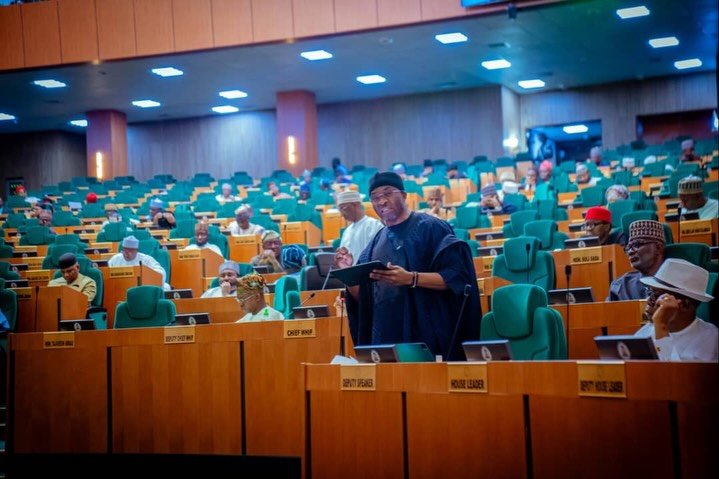
The House also called for deeper security cooperation with the United States, emphasizing the need for capacity-building, intelligence sharing, and improved inter-agency coordination, while safeguarding Nigeria’s sovereignty. Concerns were raised about porous borders, outdated military equipment, and weak institutional collaboration, all of which heighten national vulnerability.
Speaker Abbas Tajudeen condemned the surge of misinformation and fake images circulating on social media, warning that false narratives inflame tensions and undermine security operations. He urged Nigerians to stay united and vigilant, commended President Bola Ahmed Tinubu for decisive interventions, and honoured security personnel who lost their lives in the line of duty.
Overall, the session reaffirmed the House’s commitment to bold, transparent, and institutional security reforms aimed at restoring public trust, enhancing accountability, and strengthening Nigeria’s capacity to respond to both domestic and transnational threats.