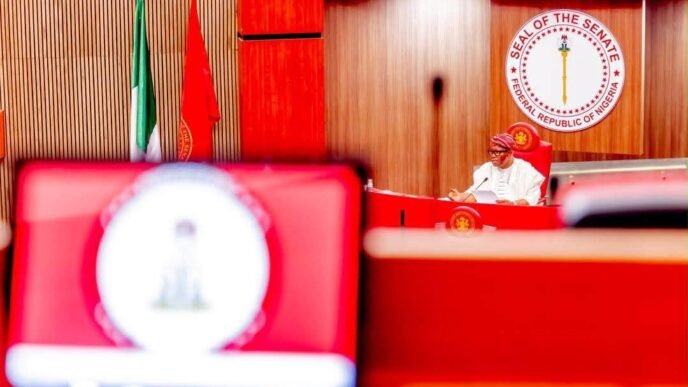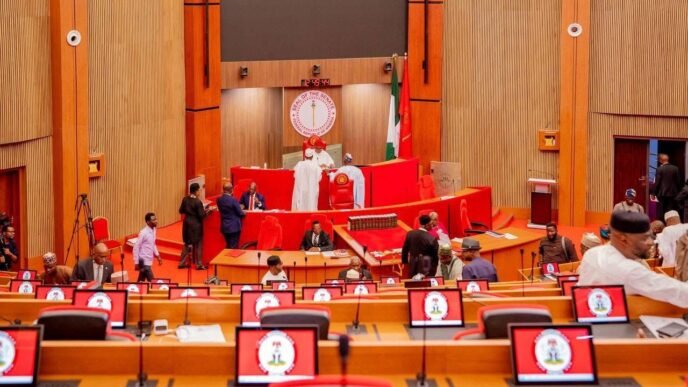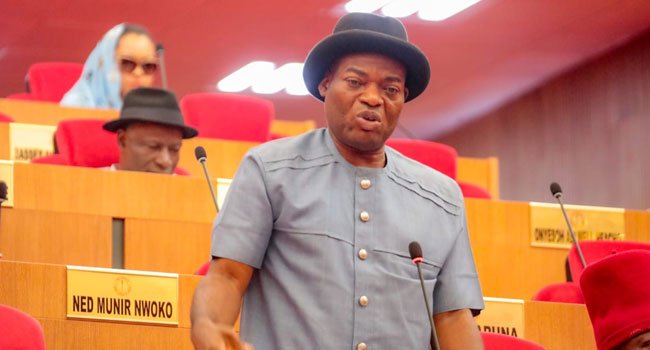

In a decisive move to address the escalating cost of living and the widening housing gap, the House of Representatives has resolved to launch a comprehensive investigation into the sharp rise in the prices of building materials across the nation.
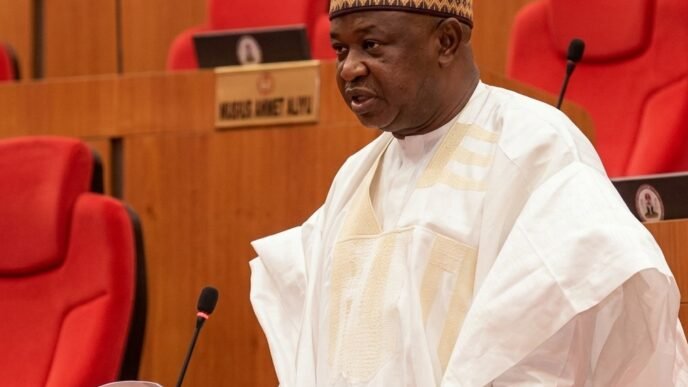
The resolution followed a motion of urgent public importance moved by Hon. Oboku Abonsizibe Oforji, who expressed grave concern over the unprecedented price hikes that threaten to paralyze Nigeria’s construction sector.
Despite Nigeria’s abundance of natural resources including limestone, sand, granite, and timber, the cost of finished building products has reached record highs. Hon. Oforji noted that the construction industry, valued at over N25.7 trillion in 2025, is a primary engine of economic growth that is now being stifled by “market distortions and possible exploitation.”
The House highlighted several alarming statistics regarding the current market:
- A 50kg bag has jumped from N7,500 in late 2025 to between N11,500 and N12,100 in May 2026, a staggering 50%-60% increase in just months.
- Since 2019, cement prices have surged by over 300%, rising from approximately N2,400 to the current record highs.
- Prices for steel have risen by 20%, sharp sand by 25%, and granite and timber have seen similar significant increases.
The House expressed deep worry that these costs are exacerbating Nigeria’s housing deficit, which now stands at approximately 28 million units. The implications of this price surge extend far beyond the construction site:
- Thousands of private and public projects are being stalled.
- Rising property values are translating into higher rents, placing immense pressure on low and middle-income earners.
- The construction value chain, a major employer, is seeing a reduction in activity and subsequent layoffs.
- Government projects are seeing massive budget escalations, draining public funds.
“Nigerians continue to face disproportionately high construction costs despite our local sourcing of raw materials,” the motion stated. “This suggests inefficiencies or anti-competitive practices that must be addressed to protect the economic interests of our citizens.”
In response to these findings, the House of Representatives has officially resolved to:
Urge the Federal Government, through the Federal Ministry of Housing and Urban Development, the Ministry of Industry, Trade and Investment, and the Federal Competition and Consumer Protection Commission (FCCPC), to investigate the root causes of these price hikes.
Specifically look for anti-competitive practices, supply chain bottlenecks, and exploitation within the value chain.
A specialized committee has been formed to conduct a thorough investigation into the matter and report back to the House for further legislative action.
The House remains committed to ensuring that the dream of affordable homeownership remains attainable for all Nigerians and that the construction sector continues to contribute healthily to the national GDP.