In a landmark legislative move to modernize Nigeria’s public health and legal framework, the Senate has passed for second reading, a bill seeking to establish a comprehensive national suicide prevention framework, decriminalise attempted suicide, and provide robust rehabilitation for survivors.
The proposed legislation, sponsored by Senator Asuquo Ekpenyong (Cross River South Senatorial District), addresses critical contradictions within existing Nigerian laws. While the National Mental Health Act recognizes attempted suicide as a psychiatric emergency requiring urgent medical attention, Section 327 of the Criminal Code and Section 231 of the Penal Code currently treat the act as a criminal offense punishable by imprisonment.
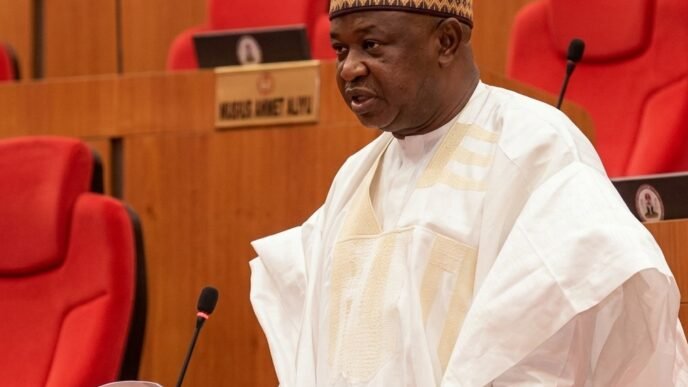
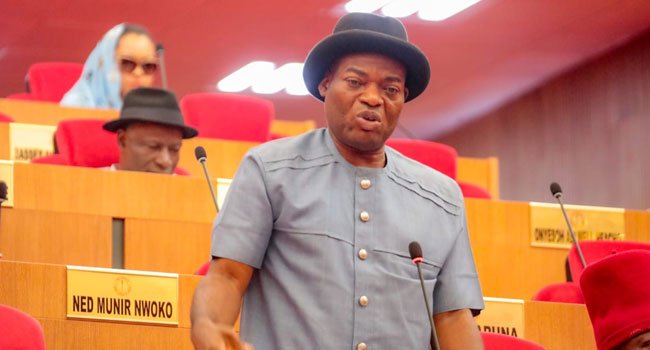
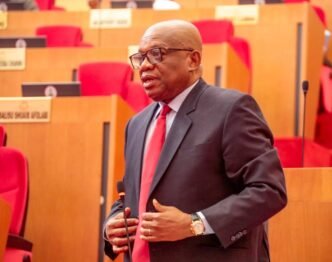
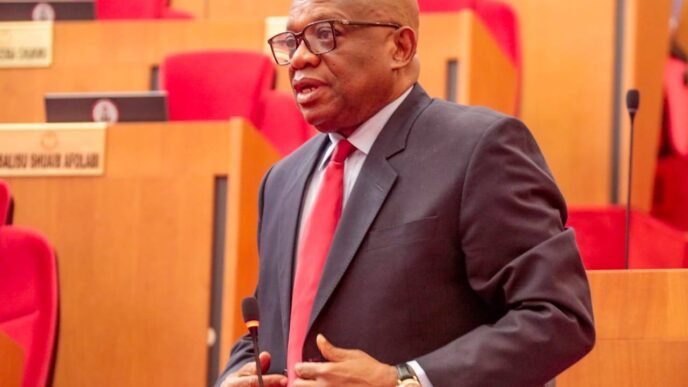
Leading the debate during plenary, Senator Ekpenyong emphasized that penalizing survivors creates a dangerous environment of fear and social stigma, often preventing distressed individuals from seeking timely help and forcing families to conceal incidents to avoid prosecution.
At the heart of this bill is a simple question: when a Nigerian survives a suicide attempt, should the first response of the state be prosecution or protection?
Senator Asuquo Ekpenyong.
The bill aims to shift Nigeria’s approach to suicide from punitive measures to a compassionate, health-focused strategy by introducing:
Decriminalisation & Care: Replacing imprisonment for survivors with mandatory medical assessments, professional referrals, specialized treatment, and continuous follow-up support.
National Infrastructure: Establishing dedicated crisis intervention helplines and a reliable national data collection system to strengthen long-term prevention strategies.
Capacity Building & Awareness: Implementing specialized mental health training programs for law enforcement officers, educators, and healthcare workers alongside nationwide public enlightenment campaigns.
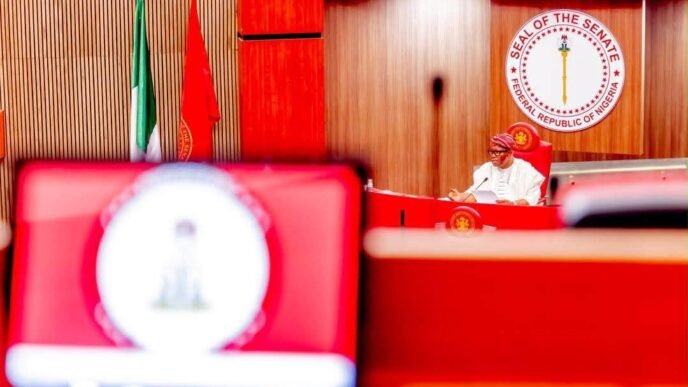
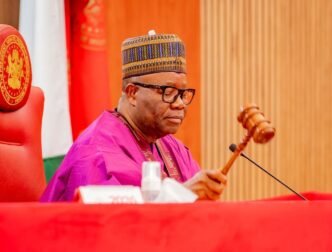
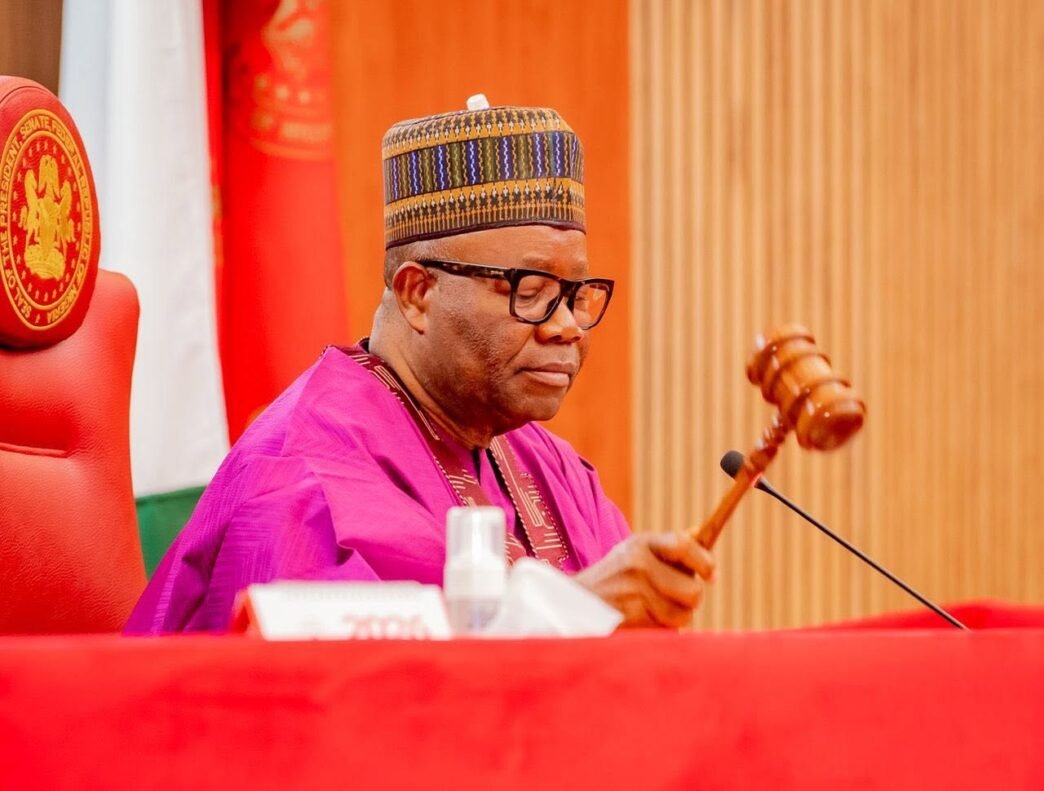
While acknowledging the vital public health objectives of the bill, the President of the Senate, His Excellency, Senator Godswill Akpabio, expressed reservations regarding the immediate decriminalisation of the act. Senator Akpabio cautioned that removing penalties without adequate safeguards could inadvertently encourage the behavior and stressed the necessity of weighing the wider legal and societal implications.
Furthermore, the Senate President noted that because the issue intersects with both the Criminal Code and the Penal Code, active involvement from State Houses of Assembly is essential to prevent conflicts between federal and state laws. He emphasized that a comprehensive public hearing must be conducted to accommodate all relevant stakeholders and ensure a detailed examination of the amendments.
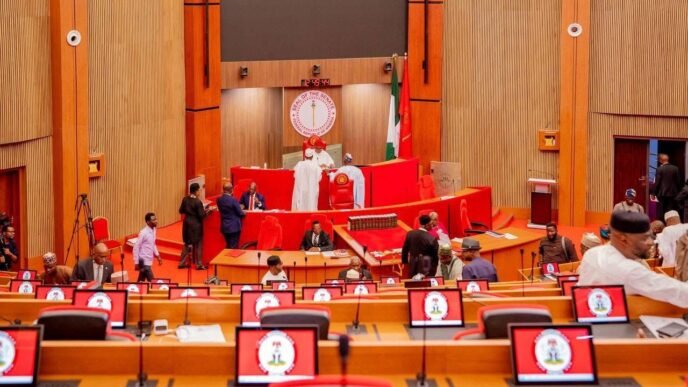
Following vibrant deliberations, the Senate successfully passed the bill for a second reading. The legislation has been referred jointly to the Senate Committees on Judiciary and Health for further legislative review.
The committees are tasked with conducting extensive public hearings, engaging medical, legal, and community stakeholders, and examining the multi-faceted implications of the framework before reporting back to plenary.