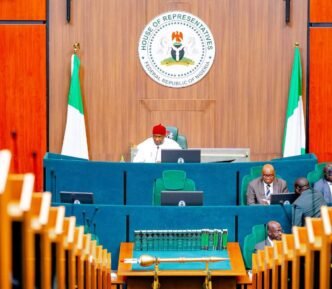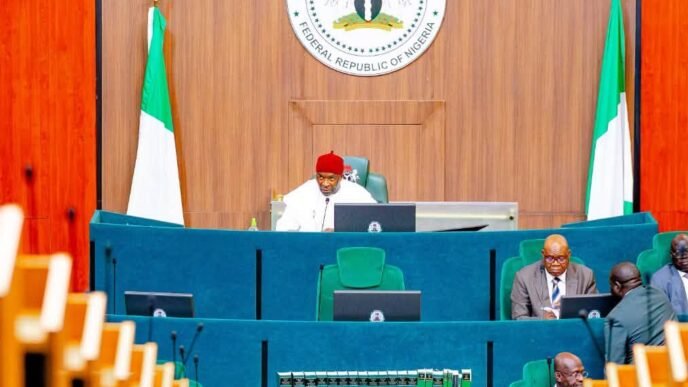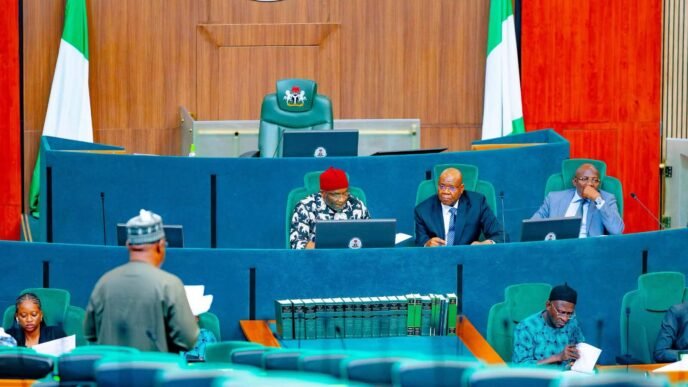

The Senate on Tuesday, passed the Virtual Asset Service Providers Regulation Bill, 2026 for a second reading. The proposed legislation marks a decisive step toward establishing a comprehensive legal, supervisory, and regulatory framework for cryptocurrency, digital assets, and Virtual Asset Service Providers (VASPs).
Sponsored by Deputy Senate President, Senator Barau Jibrin, the bill mandates strict licensing, transparency, and compliance protocols for all cryptocurrency exchanges operating within the country. Lawmakers emphasized that the bill aims to safeguard millions of Nigerian investors, curb financial fraud, and unlock the immense economic potential of the digital asset sector.
The proposed law seeks to establish order, accountability, consumer protection, and transparency within the ecosystem.Reassuring stakeholders that the bill is designed to provide market clarity and investor confidence rather than stifle technological innovation.
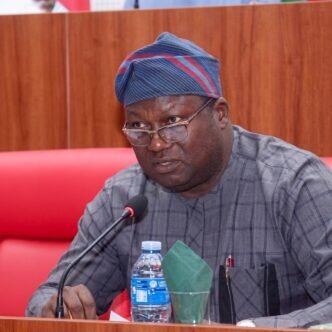
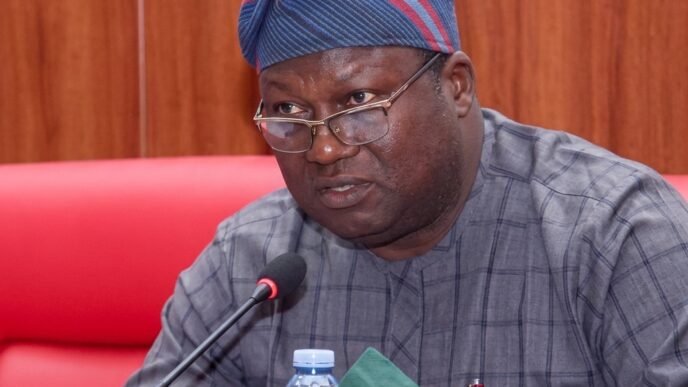
Senator Barau Jibrin.
Leading the debate on behalf of the sponsor, Senator Tahir Monguno noted that despite Nigeria boasting one of the highest cryptocurrency adoption rates globally, it has lagged behind other African nations in establishing formal regulations. This regulatory vacuum has previously exposed citizens to high-risk ventures and illicit financial activities.
Senator Barau warned that leaving the sector unchecked fosters black-market transactions and criminal conduct. Proper oversight is deemed critical to aligning the digital asset sector with the Federal Government’s strategic goal of building a $1 trillion national economy.
Supporting the bill, Senator Natasha Akpoti-Uduaghan lamented that a lack of regulatory clarity has historically forced young tech innovators and international service providers to take their businesses and billions of dollars in potential investments abroad.
While backing the bill’s speedy passage alongside Senator Adams Oshiomhole, Senator Adetokunbo Abiru advised that the legislation be carefully harmonized with existing financial frameworks, including the Investments and Securities Act and the Banks and Other Financial Institutions Act (BOFIA), to ensure total system coherence.
The legislation is structured to align Nigeria’s digital asset operations with international compliance standards set by the Financial Action Task Force (FATF) and the International Monetary Fund (IMF), effectively equipping regulators to combat money laundering and terrorism financing.
Following the robust debate, the Senate referred the bill to the Committee on Capital Market for further legislative scrutiny. The committee has been mandated to submit its comprehensive report within four weeks.
Upon final passage into law, Nigeria will join fellow African nations including Kenya, South Africa, and Ghana that have successfully institutionalized formal regulatory frameworks for cryptocurrency and digital asset transactions.