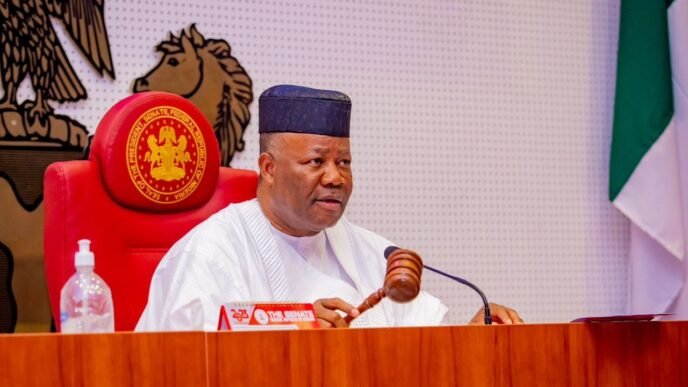
January 27,2026 — The Nigerian Senate has reaffirmed its commitment to ensuring the 2027 general elections meet global standards of transparency and credibility, while simultaneously moving to accelerate the passage of the ₦58.47 trillion 2026 Appropriation Bill.
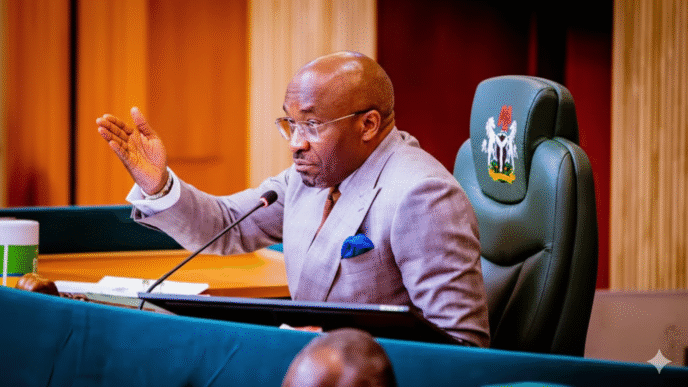
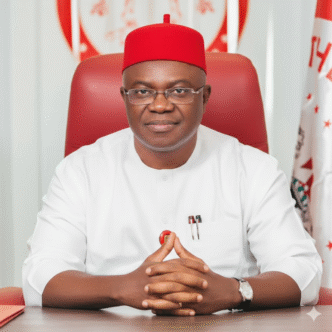
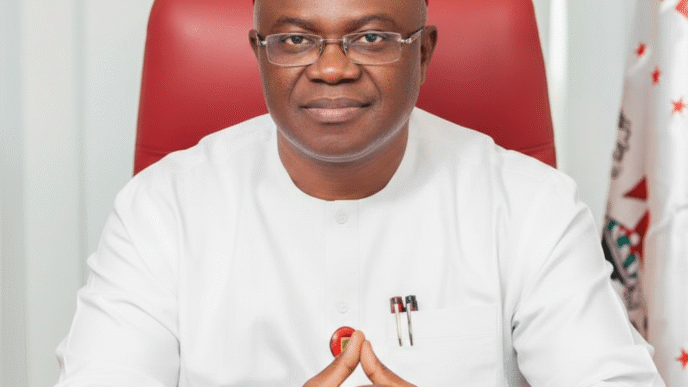
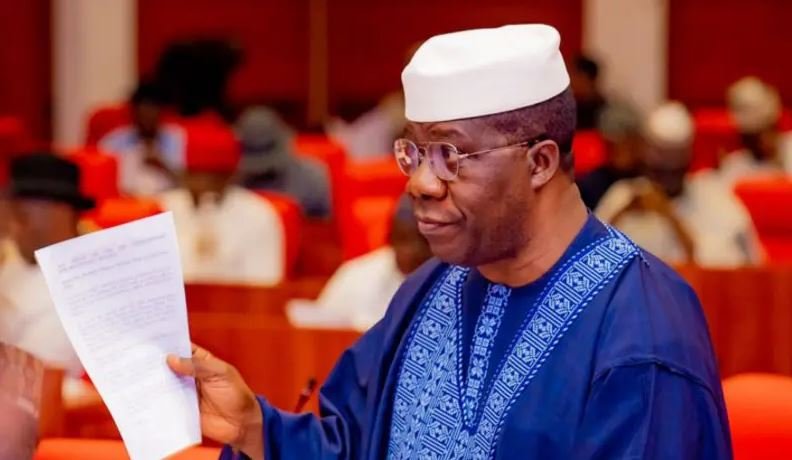
Leader of the Senate, Senator Opeyemi Bamidele (APC – Ekiti Central) disclosed this ahead of resumption of plenary on Tuesday, outlined the legislative agenda of the Assembly as it enters the final phase of its four-year tenure.
The dual focus on electoral integrity and fiscal discipline marks a significant push by the Upper Chamber to stabilize the nation’s democratic and economic trajectory.
Prioritizing Electoral Integrity
In a move to address growing public and international interest in the next election cycle, the Senate leadership pledged to prioritize the legal and institutional reforms necessary for a seamless 2027 poll. Key areas of focus include:
Strengthening INEC: Enhancing the independence and operational capacity of the Independent National Electoral Commission.
Legislative Reforms: Reviewing the Electoral Act to close loopholes and integrate advanced technological safeguards.
Stakeholder Trust: Engaging civil society and political parties to build a consensus on “transparent, free, and fair” voting processes.
The ₦58.47 Trillion Fiscal Drive
To ensure the 2026 fiscal year begins with a clean slate, the Senate has fast-tracked the “Budget of Consolidation, Renewed Resilience, and Shared Prosperity.” This massive spending plan is designed to end the era of “overlapping budgets” that has historically hampered project implementation.
Key Budget Highlights:
Total Expenditure | ₦58.47 Trillion
- Defense & Security | ₦5.41 Trillion
- Infrastructure | ₦3.56 Trillion
- Education | ₦3.52 Trillion
- Health | ₦2.48 Trillion
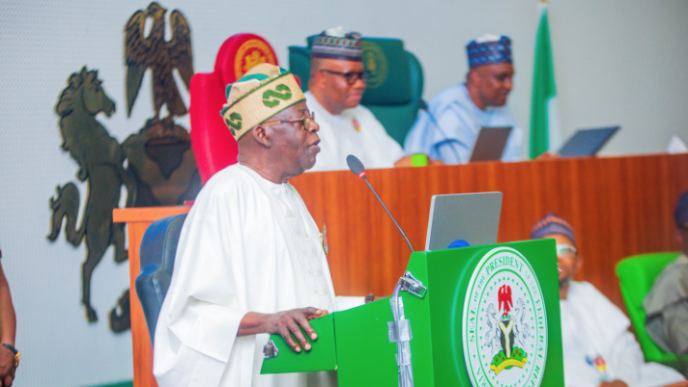
“From April, Nigeria will operate on a single budget backed by a single revenue cycle—no overlaps, no excuses, no rollovers,” President Bola Tinubu had stated during the initial presentation, a sentiment the Senate has now echoed through its accelerated legislative schedule.
Ending the “Budget Overlap”
Lawmakers expressed concern that the previous practice of running multiple budgets simultaneously weakened fiscal discipline. By fast-tracking the 2026 bill, the Senate aims to restore a strict January–December cycle, ensuring that capital projects are fully funded and completed within their designated periods.
The Senate has now referred the bill to the relevant committees for detailed sectoral analysis, with a directive to report back within a shortened timeframe to meet the looming legislative deadlines.