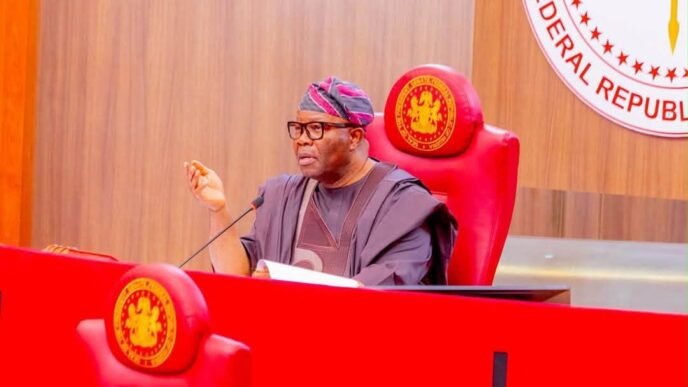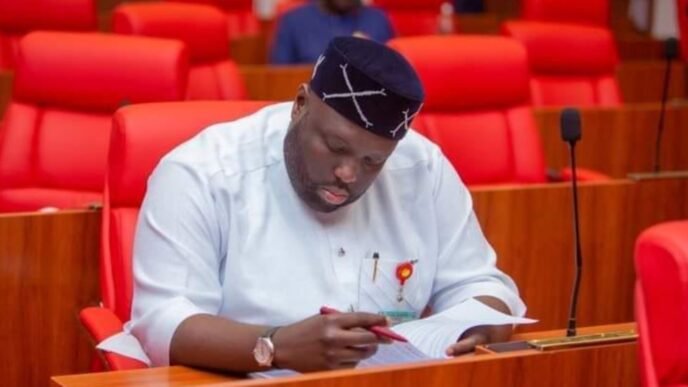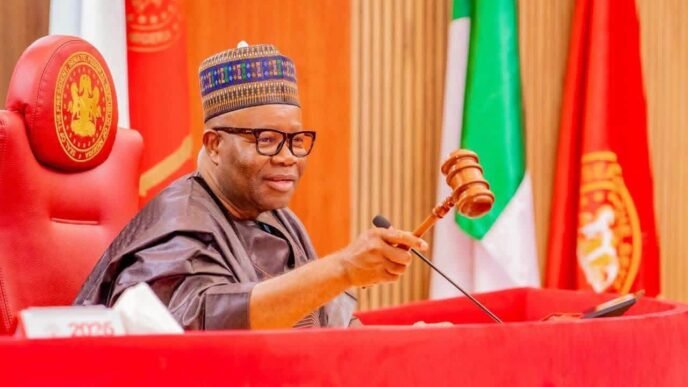
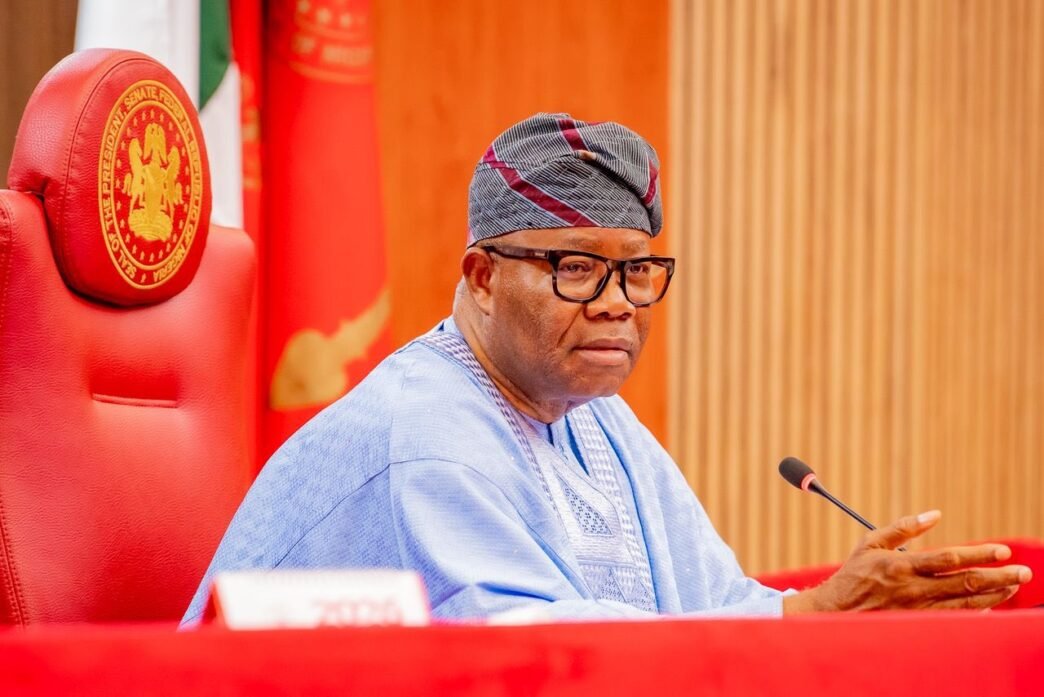
In a decisive move to bolster the institutional integrity of the Nigerian legislature, the Senate recently amended its Standing Orders to require that candidates for the positions of Senate President and Deputy Senate President must be “ranking members.” This legislative adjustment, specifically targeting Order 3 Rule 2, ensures that only Senators with at least one full term of experience are eligible to lead the upper chamber.
While some may view this as a restrictive measure, a closer analysis reveals it to be a necessary safeguard for the stability, professionalism, and independence of the National Assembly.
Prioritizing Institutional Memory
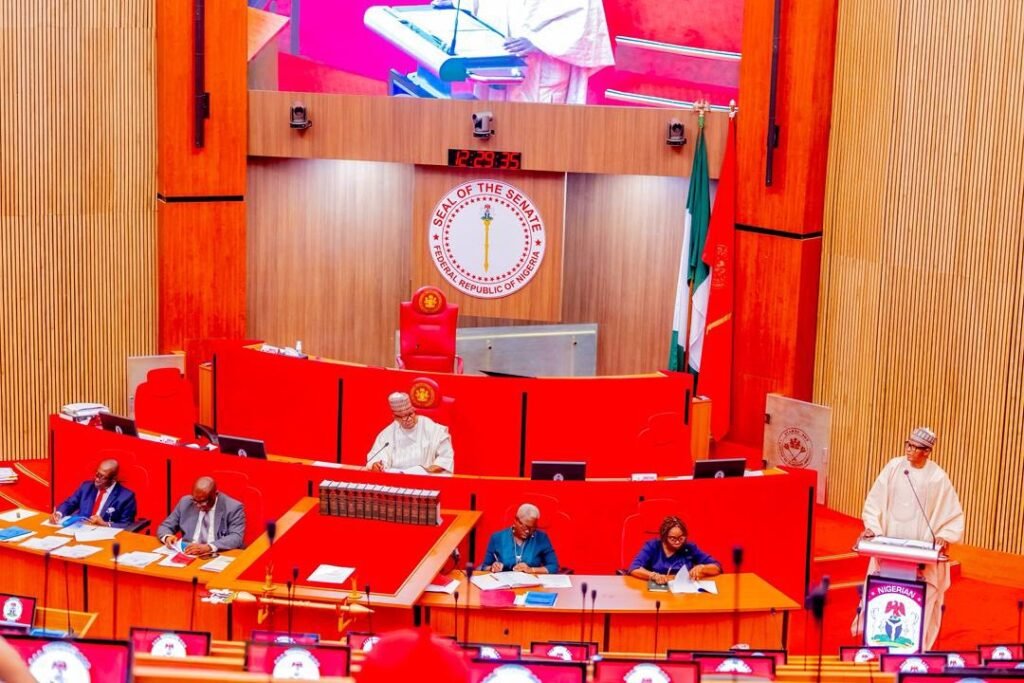
The Nigerian Senate is a complex institution governed by intricate rules, traditions, and constitutional mandates. By ensuring that its leaders are ranking members, the Senate is prioritizing institutional memory. A first-time Senator, regardless of their previous background, requires time to master the nuances of parliamentary procedure and the delicate art of legislative consensus-building. By reserving leadership for veterans, the Senate ensures that the presiding officer can hit the ground running, avoiding the “rookie mistakes” that can stall critical national legislation.
Protecting the Legislature from External Interference
One of the most significant advantages of this amendment is the protection it offers against political volatility. In the past, the lack of a seniority requirement left the door open for “dark horse” candidates—often backed by powerful external interests or executive influence—to seek the highest offices in the chamber immediately upon arrival.
By mandating a full term of service, the Senate has created a merit-based “incubation period.” This ensures that those who lead the chamber have a proven track record of loyalty to the legislative branch itself, rather than to outside godfathers or political donors who might seek to bypass the established hierarchy.
Alignment with Global Standards
The concept of seniority in legislative leadership is not unique to Nigeria; it is a hallmark of the world’s most stable democracies. In the United States Senate and the British House of Commons, leadership positions are almost exclusively held by members who have spent years, if not decades, navigating the halls of parliament. These nations recognize that the legislature is a specialized craft that demands a deep understanding of committee structures and inter-party diplomacy—skills that are only honed through time and service.
Ensuring Stable Oversight
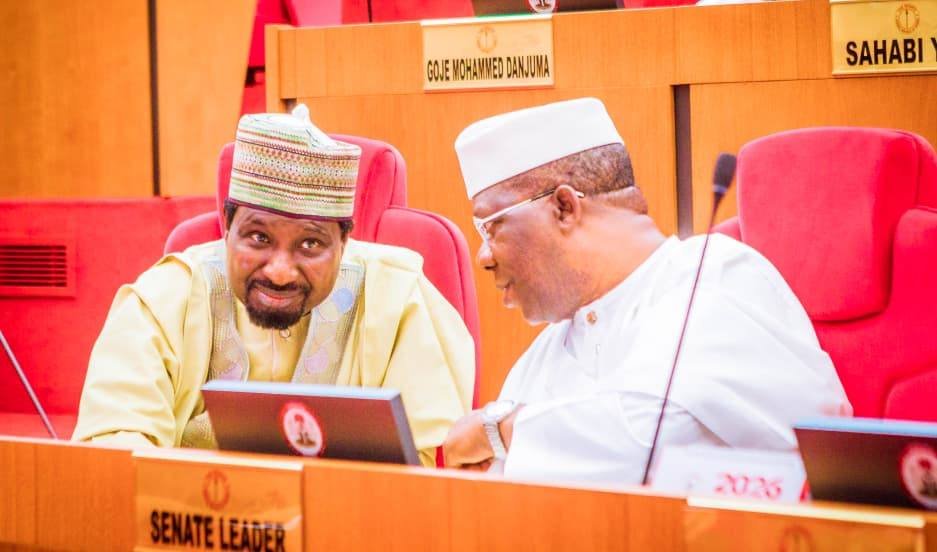
At its core, the Senate serves as a check on the Executive branch. To perform this role effectively, the Senate President must possess the gravitas and experience to deal with the Presidency on equal footing. A ranking Senator who has navigated various political cycles is far better equipped to maintain the independence of the legislature than a newcomer who is still finding their footing in the capital.
The amendment to the Senate Standing Orders is a forward-thinking reform that elevates the dignity of the office. It signals that the Senate is no longer a place for “accidental” leadership, but an institution that values experience, continuity, and professional excellence. By codifying these requirements, the 10th Senate has laid a foundation for a more disciplined and effective legislative future.
Related: Senate Amends Standing Orders to Restrict Senate President Eligibility