The House of Representatives has called for a comprehensive national audit and the immediate creation of a centralized digital registry for all seized, forfeited, and recovered assets across the federation.
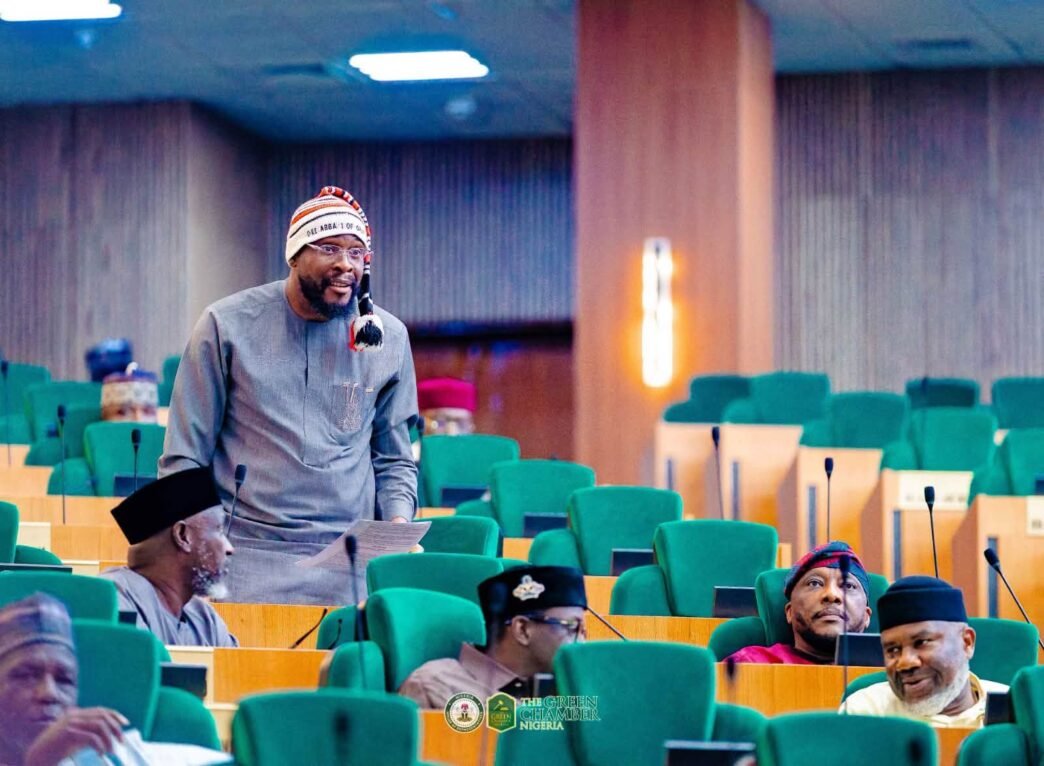
The resolution followed a motion moved on Tuesday, July 21, 2026, by Hon. Ibe Okwara Osonwa, highlighting critical gaps in transparency, potential revenue leakages, and weak oversight in the management of trillions of Naira in recovered proceeds of crime since Nigeria’s return to democratic rule in 1999.
In his presentation, Hon. Osonwa anchored the legislative action on Sections 88 and 89 of the 1999 Constitution of the Federal Republic of Nigeria (as amended), which empower the National Assembly to conduct investigations into the administration of laws and public funds.
He noted that while the Proceeds of Crime Recovery and Management Act, 2022 established a legal framework for tracing, seizing, and disposing of recovered assets, the lack of a unified tracking system continues to undermine public confidence.
During the session, Hon. Osonwa stated that “Despite the volume and value of recovered assets comprising cash, landed properties, shares, petroleum assets, luxury vehicles, vessels, aircraft, and digital assets worth trillions of Naira, there is presently no centralized and publicly accessible National Asset Recovery and Management Register capable of providing comprehensive information on their status, value, location, and disposal”.
The House expressed grave concern over persistent systemic flaws in the handling of recovered loot and assets by anti-corruption agencies, security organizations, government ministries, and courts.
Highlighting the risks of non-compliance with existing laws, the motion drew attention to:
Inadequate record-keeping and weak chain-of-custody procedures.
Poor valuation practices and physical deterioration of seized properties.
Allegations of non-remittance of proceeds and potential conflicts of interest.
Absence of a unified national database, which impedes legislative oversight and public scrutiny.
To address these vulnerabilities and harness modern technology for institutional accountability, the House officially resolved to:
Urge the Federal Government to undertake a comprehensive audit and verification of all seized, forfeited, recovered, managed, disposed of, and repatriated assets held by Ministries, Departments, and Agencies (MDAs), anti-corruption bodies, security agencies, and courts from May 29, 1999, to date.
Constitute an Ad-hoc Committee on Seized, Forfeited, and Recovered Assets in Nigeria to investigate the inventory, status, valuation, disposal, and utilization of recovered assets nationwide.
Review the Proceeds of Crime Recovery and Management Act, 2022 to identify legal gaps and legislative interventions needed to strengthen accountability.
The Ad-hoc Committee has been mandated to conduct its investigation and report back to the House within four weeks for further legislative action.