The Senate of the Federal Republic of Nigeria has called on the Federal Government to urgently approve and release allocations from the Ecological Fund to Cross River State to tackle severe gully erosion and deadly landslides that have claimed lives and displaced local communities.
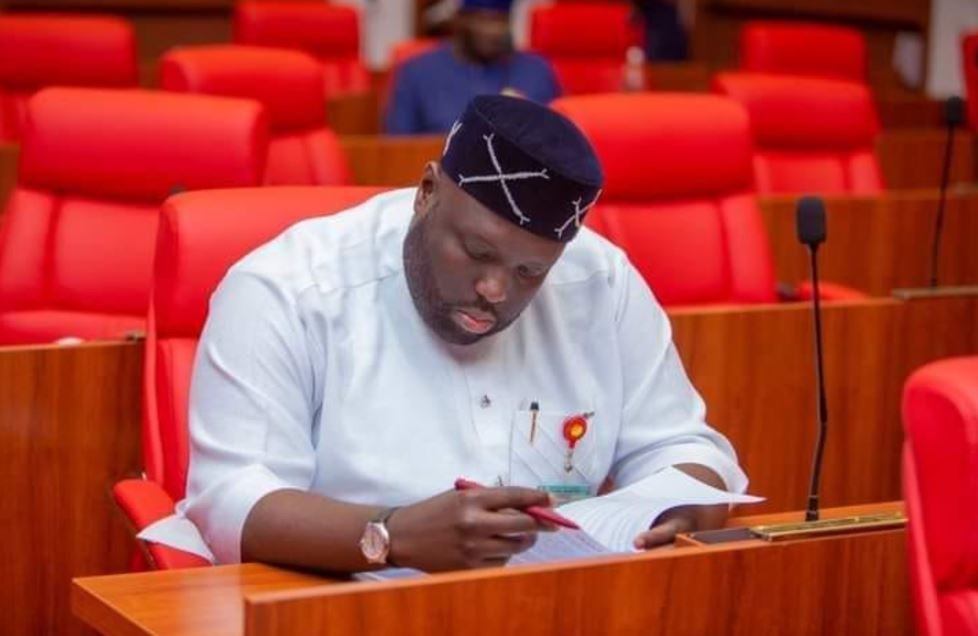
The decision followed the unanimous adoption of a motion sponsored by Senator Asuquo Ekpenyong (APC, Cross River South), highlighting the escalated environmental crisis across several communities, particularly within the Calabar metropolis.
Presenting the motion, Senator Ekpenyong alerted the Upper Chamber to the imminent danger facing communities such as Atakpa, Edim Otop, Ikot Effangha Mkpa, Nyaghasang, Ikot Anwatim, Nasarawa/Bacoco, Akai Effa, Bayside, Summit Hills, and Anansa.
Recent landslides caused by severe erosion resulted in multiple fatalities, including a July incident in Ikot Anwatim that killed four siblings from one family, and another in Edim Otop that claimed the life of an eight year old girl.
Furthermore, the motion identified poorly constructed drainage systems, unregulated sand mining, deforestation, reckless waste disposal, and infrastructure vandalism as major drivers expanding the gully networks.
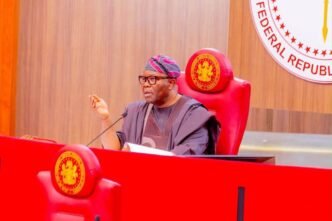
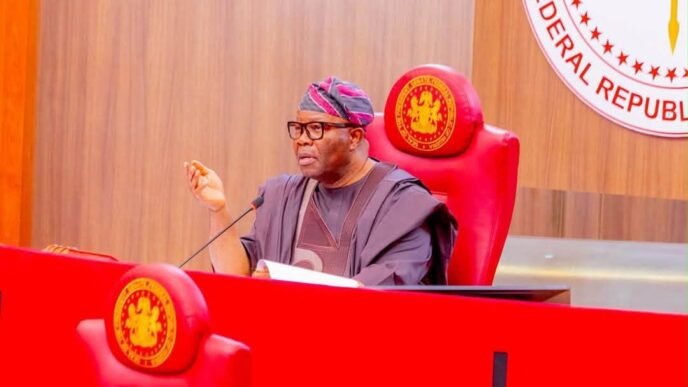
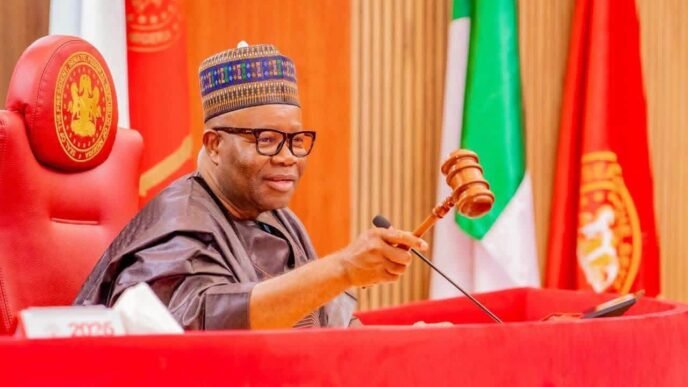
Following a voice vote presided over by Senate President Godswill Akpabio, the Senate passed the following key resolutions:
- Urged the Federal Government to release targeted resources from the Ecological Fund for emergency slope stabilization and long-term erosion control in high-risk zones.
- Directed the National Emergency Management Agency (NEMA), in coordination with the Cross River State Emergency Management Agency (SEMA), to provide temporary shelter, food, medical supplies, and psychosocial support to displaced victims, alongside initiating safe evacuations from unstable grounds.
- It also tasked the Federal Ministries of Environment and Works to perform comprehensive geotechnical and hydrological assessments before deploying engineering interventions.
The Senate mandated its Committee on Environment to conduct an on the spot inspection of the affected areas, evaluate current interventions, and report back to the full Senate with statutory recommendations.