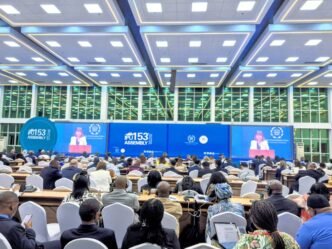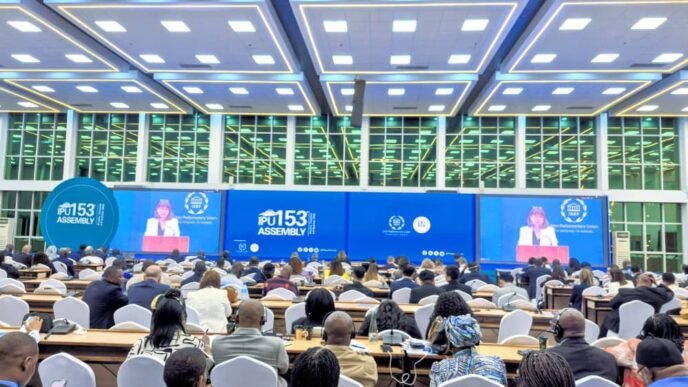
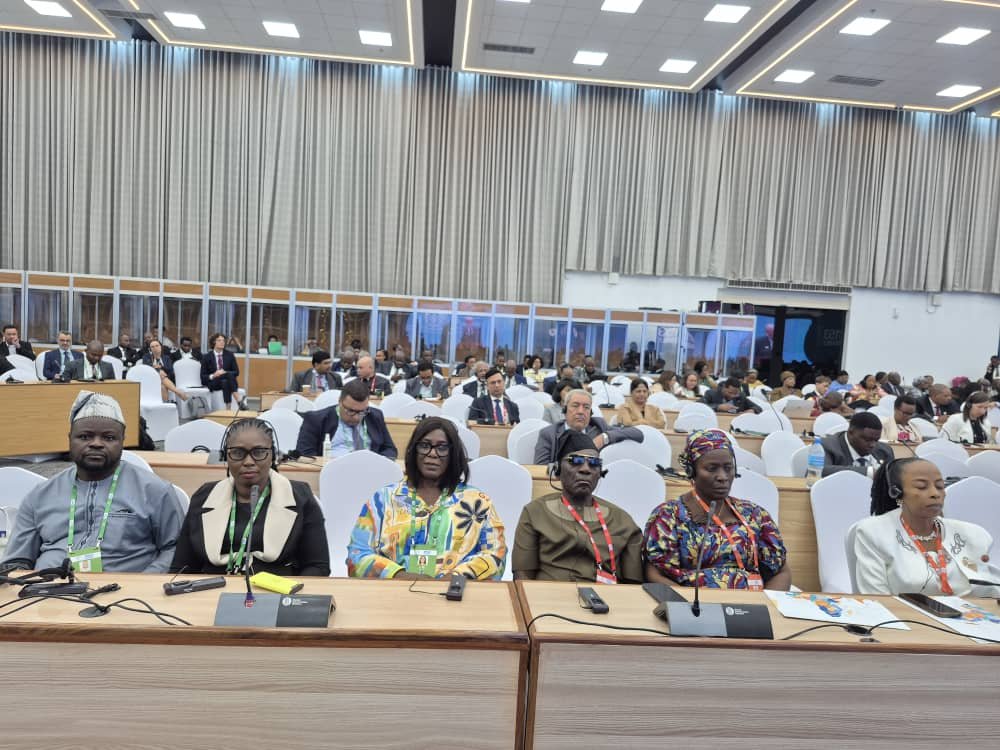
Global lawmakers and delegates gathered at the 153rd Inter-Parliamentary Union Assembly in Arusha, United Republic of Tanzania, have called on national parliaments to urgently dismantle the structural, legal, and physical barriers restricting persons living with disabilities from full political participation. Centered on building inclusive, accountable, and trustworthy democratic institutions, the assembly emphasized that democratic representation remains fundamentally incomplete as long as persons with disabilities are excluded from decision-making arenas.
A central theme of the gathering was the mandatory shift from viewing disability inclusion as an act of charity to treating it as a fundamental constitutional and human right. Delegates urged legislative bodies to move disability policy from the margins directly to the center of parliamentary responsibility, noting that true governance depends on equal democratic access.
To achieve meaningful inclusion, parliamentarians addressed severe systemic hurdles that currently prevent persons with disabilities from voting freely or running for office. Key electoral challenges include inaccessible polling stations lacking physical ramps, Braille ballots, and sign-language interpreters. Outdated legal frameworks in many nations continue to deny voting and candidacy eligibility to individuals with psychosocial or intellectual disabilities, while persistent socioeconomic disparities leave aspiring candidates without the targeted financial support required for assistive technologies.
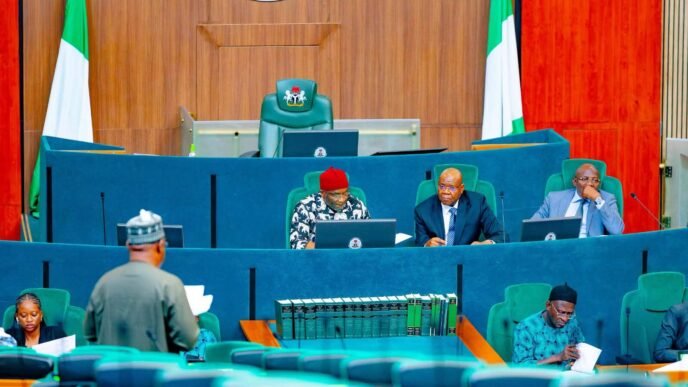
The assembly asserted that national parliaments must lead by example by overhauling their own institutional infrastructure and digital systems. Priorities include retrofitting parliamentary chambers with accessible podiums and ramps for elected lawmakers with mobility impairments, alongside providing screen-reader-compatible legislative documents, transcripts, and live sign-language interpretation during plenary sessions. Delegates also debated introducing affirmative action measures, such as designated parliamentary seats or party-list quotas, drawing parallels to successful gender and youth representation initiatives.
To ensure long-term progress, parliamentary leaders recommended institutionalizing direct consultations with Disabled People’s Organizations on all future legislation, establishing targeted campaign funding, and enacting sweeping electoral reforms. As deliberations concluded, the 153rd Assembly reaffirmed that national parliaments bear the responsibility to transition from passive care to active empowerment, enabling persons with disabilities to shape the laws governing their lives.