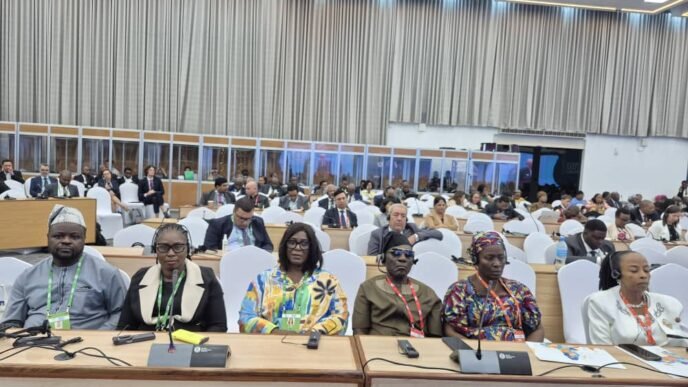
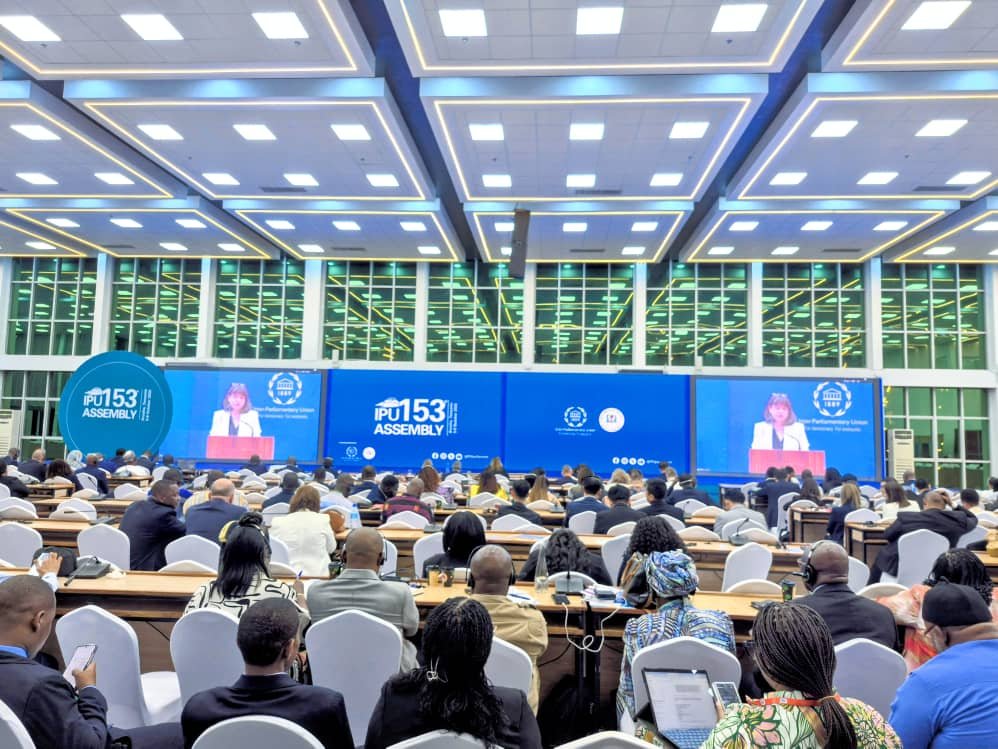
Global parliamentary leaders gathering at the 153rd Assembly of the Inter-Parliamentary Union in Arusha, Tanzania, have urged nations to adopt bold legislative reforms to address the vast disconnect between global demographics and political leadership. Centered on the overarching theme, “Enhancing good governance and empowering communities through inclusivity, trust, and opportunities for all,” the assembly focused heavily on reversing recent stagnation in youth political representation, noting that while over half of the world’s population is under 30, young people account for less than three percent of parliamentarians worldwide.
To bridge this representation gap, delegates championed concrete statutory measures, including lowering age eligibility thresholds for political candidacy to align with voting ages, establishing youth quotas within political parties, and reserving legislative seats specifically for young citizens. Discussions drew momentum from existing campaigns like “I Say Yes to Youth in Parliament!” as delegates urged member states to move beyond token representation and grant young people genuine decision-making authority in national parliaments.
Throughout the assembly, global delegations emphasized positioning youth as active architects of governance rather than passive subjects of policy. Dedicated youth forums examined critical pathways to foster political leadership, highlighting job creation, quality education, and strong social support systems as necessary foundations. In addition, delegates explored intergenerational equity frameworks designed to protect the rights, interests, and natural resources of future generations within present-day lawmaking, while emphasizing the proactive role young leaders must play in conflict resolution, climate action, and community resilience.
Emerging technologies and digital governance also took center stage during youth-led sessions, with parliamentarians evaluating how artificial intelligence, social media, and digital platforms can modernize legislative oversight. Delegates showcased how digital tools can lower barriers to entry for young civic activists while making traditional parliamentary proceedings significantly more transparent and accessible to younger generations.
Hosting the assembly in Arusha underscored the acute demographic realities of East Africa, where young people constitute the vast majority of the population. Leadership from the host parliament and the IPU reaffirmed that regional and global stability hinges directly on expanding youth political agency, calling on national governments to implement these legislative, digital, and institutional reforms to secure inclusive democracy worldwide.