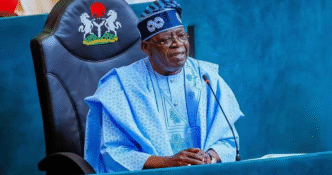

President Bola Ahmed Tinubu has formally written to the Senate requesting expedited approval of a supplementary external borrowing plan totaling $20,517,755,901 and €1,045,083,643 to bridge Nigeria’s infrastructure deficit and finance major socio-economic development projects nationwide.
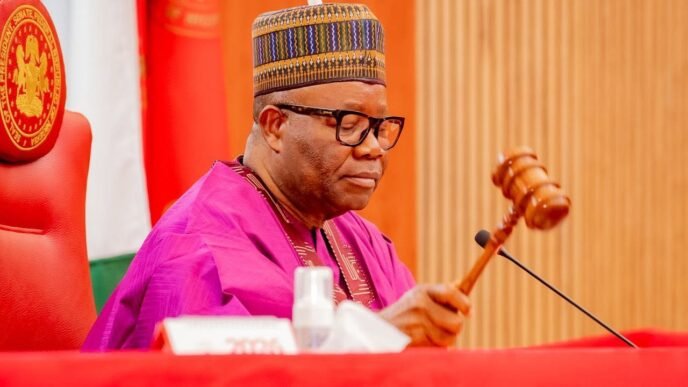
The executive communication was read during Tuesday’s plenary by Senate President Godswill Akpabio. Covering the 2026–2027 fiscal period, the proposed borrowing plan targets critical sectors including power, transportation, agriculture, healthcare, education, water supply, security and financial management reforms.
According to the official request, the multi-billion-dollar financing package has undergone thorough technical and economic evaluations to ensure maximum impact on national growth and public welfare.
The primary focus will be on capital intensive sectors, notably power, transportation, and healthcare to rebuild and expand vital national assets.
Funded initiatives are structured to stimulate economic recovery, drive job creation, support skills acquisition, foster entrepreneurship, alleviate poverty and strengthen national food security.
A significant majority of the interventions will be executed across all 36 states and the Federal Capital Territory (FCT) to ensure balanced regional development.
Given the urgent nature of these needs and the importance of stabilizing the country, it is crucial to seek the consideration and approval of the National Assembly… This will enable the government to fulfill its obligations to the Nigerian people through timely disbursements and effective project implementation.
President Bola Ahmed Tinubu.
Following the presentation of the letter, Senate President Godswill Akpabio referred the request to the Senate Committee on Local and Foreign Debts for detailed legislative scrutiny, with instructions to report back to plenary within one week. The committee is expected to collaborate with the Senate Committee on Appropriations and other relevant legislative panels during its review.
The National Assembly’s assessment will center on the financial terms, target sector allocations and implementation frameworks to ensure the funds effectively address the nation’s critical financing shortfalls.