
January 22, 2026 – The Federal Government has signaled a major shift toward modernization in the aviation sector, earmarking ₦87.31 billion in the 2024 budget to prioritize critical infrastructure and safety upgrades.
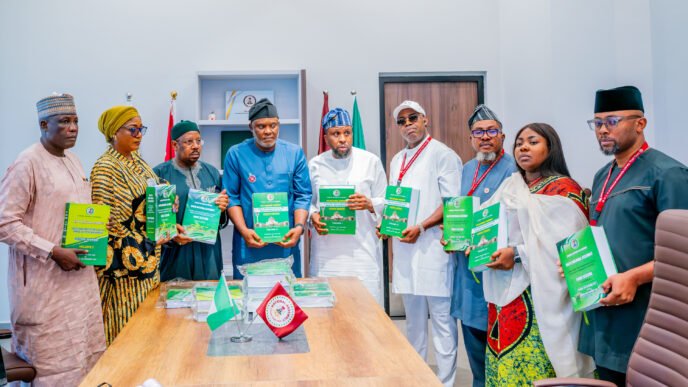
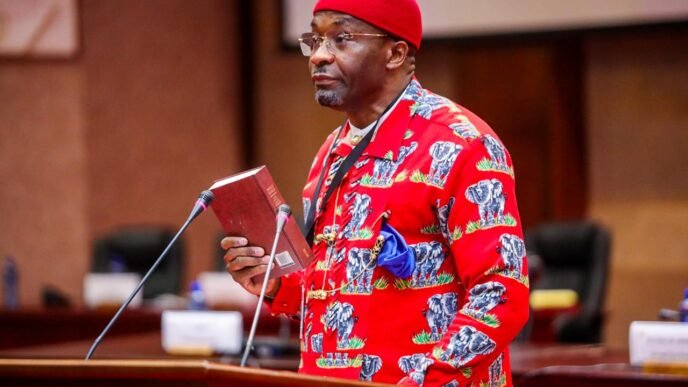
This fiscal commitment, defended by the Minister of Aviation and Aerospace Development, Festus Keyamo, before the National Assembly Joint Committee on Aviation, outlines a roadmap aimed at transforming Nigeria’s air travel landscape.
Strategic Allocation of Funds
The budget is structured to address both immediate operational needs and long-term development. The breakdown of the proposed expenditure includes:
Capital Expenditure: ₦63 billion (The lion’s share, dedicated to physical projects).
Recurrent Expenditure: ₦24.3 billion (Covering personnel and overhead costs).
Top Priorities for 2024
Minister Keyamo emphasized that the primary objective is to enhance the passenger experience while ensuring international safety standards are met. Key projects highlighted in the proposal include:
Runway Enhancements: Completion of the second runway at the Nnamdi Azikiwe International Airport, Abuja.
Airport Upgrades: Modernization of terminal buildings and the installation of advanced safety equipment across major hubs.
Maintenance & Safety: Rigorous focus on the maintenance of existing infrastructure to prevent decay and improve reliability.
Capacity Building: Investing in the training of technical personnel to keep pace with global aviation technology.
A “New Era” for Nigerian Aviation
During his presentation, Keyamo noted that the 2024 budget is designed to “make the aviation industry a hub for West Africa.” He stressed that the government is move away from “wasteful spending” and toward targeted investments that provide measurable value to travelers and stakeholders.
“Our focus is clear: we want to ensure that our airports are functional, our skies are safe, and the infrastructure supports the economic growth we envision for the country,” Keyamo stated.
Legislative Oversight
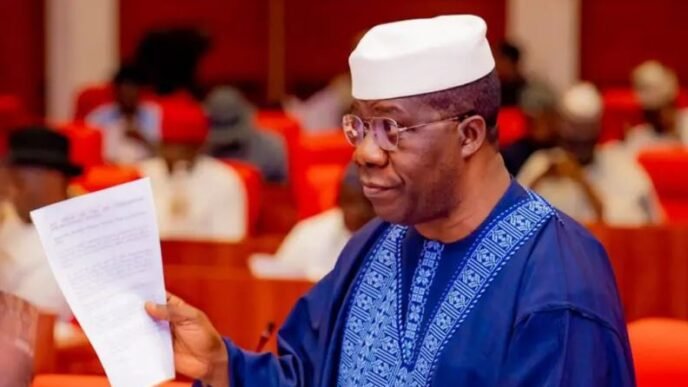
The National Assembly Joint Committee expressed a commitment to ensuring the funds are utilized transparently. Lawmakers urged the Ministry to focus on the timely completion of projects to avoid the “abandoned project” syndrome that has historically plagued the sector.
The ₦87.31 billion proposal marks a significant increase in capital intent compared to previous cycles, reflecting the administration’s “Renewed Hope” agenda for the transportation sector.