
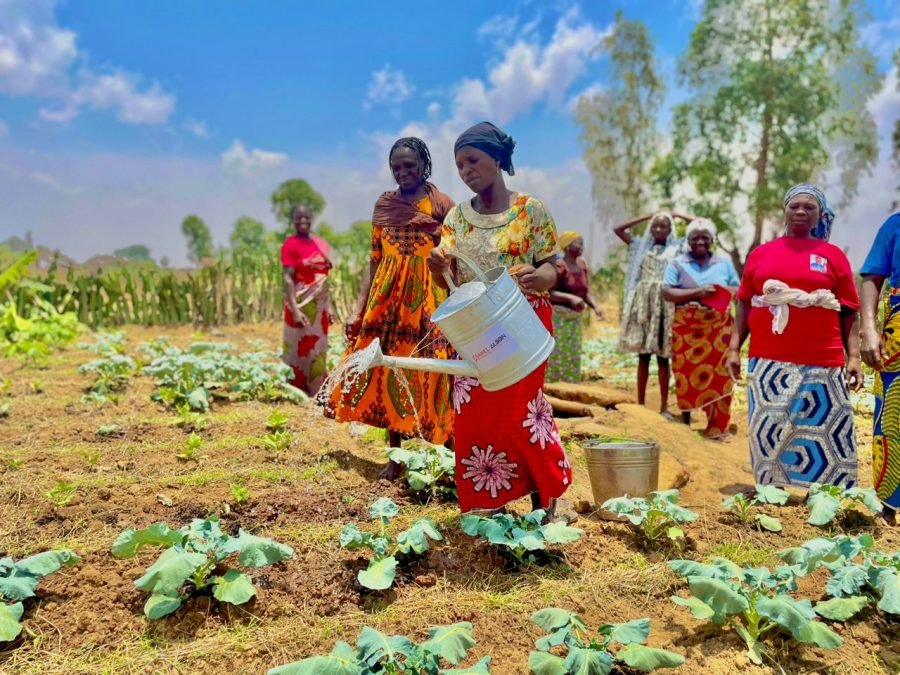
The ultimate goal of local government autonomy is the revitalisation of Nigeria’s rural communities. With direct funding, local governments are theoretically positioned to be the primary drivers of grassroots development.
Renewed Focus on Primary Services
In the 2025/2026 fiscal cycle, several local governments have begun to showcase the benefits of autonomy. In states where compliance has been high, there has been a noticeable uptick in:
- Rural Road Maintenance: Grading and tarring of feeder roads to help farmers bring produce to market.
- Primary Healthcare: Renovation of rural clinics and consistent supply of essential medicines.
- Sanitation: Improved waste management systems in semi-urban local government headquarters.
The Challenge of Administrative Capacity
However, a critical outcome of the recent reforms is the exposure of the “capacity gap.” Many local governments, after decades of being “starved” of responsibility, lacked the institutional structures to manage billions of Naira. Issues with budgeting, public procurement, and project monitoring have surfaced. Without a trained civil service at the local level, financial autonomy risks becoming a “decentralization of corruption” rather than a “decentralization of development.”