On Wednesday, November 11, 2026, the House of Representatives raised a grave alarm over the escalating crisis of human trafficking across the nation, describing it as a devastating violation of human rights and a transnational emergency.
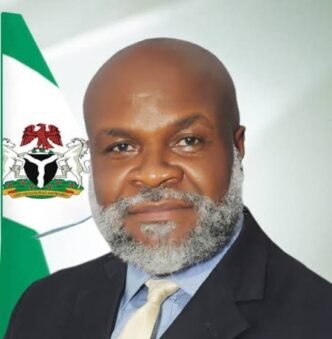
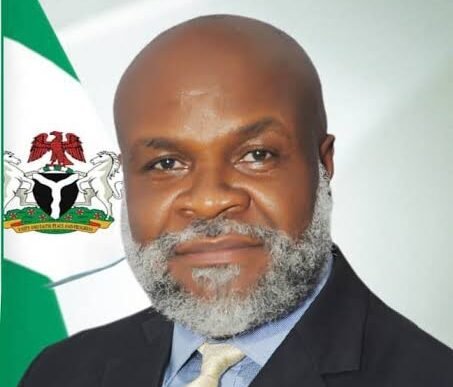
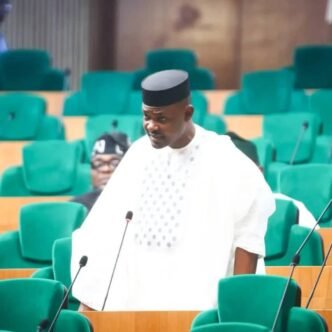
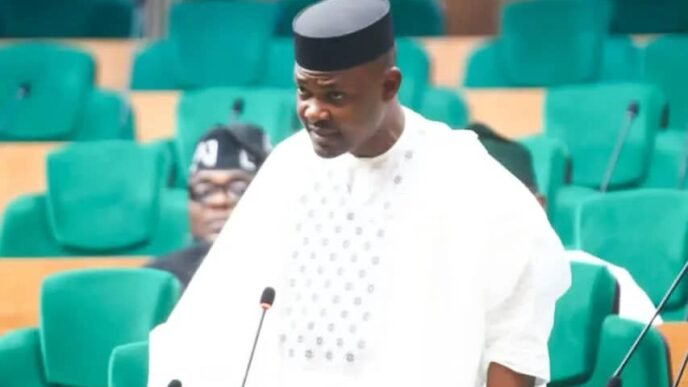
Acting on a motion brought forward by Hon. Dominic Okafor, the House underscored that vulnerable demographics, particularly women and children, are increasingly subjected to commercial sexual exploitation, forced labor, domestic servitude, forced begging, and illicit organ harvesting.
Legislators noted that compounding socioeconomic challenges, including widespread poverty, unemployment, insecurity, displacement, and irregular migration, have left citizens heavily exposed to sophisticated criminal syndicates. These networks frequently prey on victims using false promises of foreign employment, education, marriage, and overseas opportunities, only to subject them to severe physical abuse, psychological trauma, and, in tragic cases, death.
The House expressed deep concern that porous state and national borders, coupled with inadequate public awareness and weak inter-agency coordination, continue to fuel the operations of these criminal networks.
While acknowledging the vital contributions of the National Agency for the Prohibition of Trafficking in Persons (NAPTIP), the Nigeria Police Force, and the Nigeria Immigration Service, the parliament stressed the urgent necessity of bolstering their operational capacity, intelligence-sharing mechanisms, and funding under the Trafficking in Persons (Prohibition) Enforcement and Administration Act, 2015.
Key Resolutions Adopted by the House:
- Urged the Federal Government to ramp up nationwide efforts to combat trafficking through stringent enforcement of existing laws, intelligence-led investigations, and the decisive prosecution of offenders and their collaborators.
- Mandated the strengthening of victim identification, rescue, rehabilitation, psychosocial support, legal aid, and reintegration frameworks, with specialized focus on women and children.
- Called for targeted policies to tackle the underlying drivers of vulnerability, such as poverty, joblessness, lack of educational access, and the plight of displaced persons.
- Directed NAPTIP and security agencies to scale up cross-border and inter-state surveillance and intelligence coordination.
- Urged the Federal Ministry of Education, state ministries, local governments, civil society organizations, and community leaders to aggressively educate the public on deceptive recruitment tactics and the dangers of irregular migration.
The House Committees on Human Rights, Interior, and Police Affairs have been officially mandated to thoroughly investigate the current scale and patterns of human trafficking, assess enforcement measures, and identify institutional challenges, reporting back within four weeks for further legislative action.