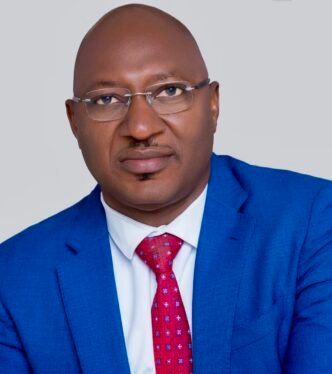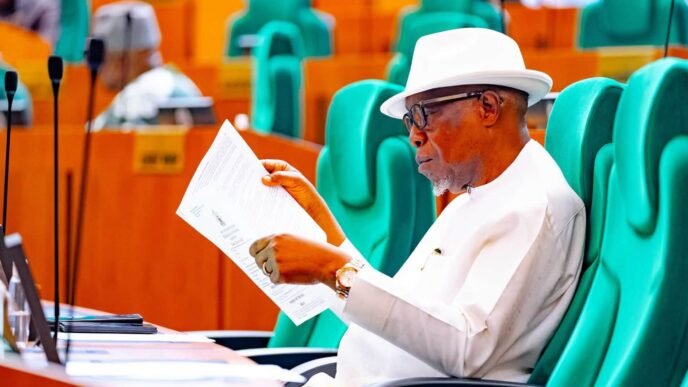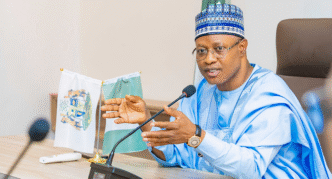
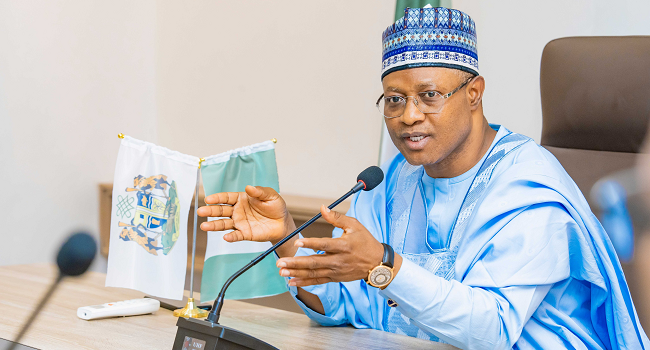
National tax revenue in the first half of 2026 reached ₦21.6 trillion—a 49% increase compared to the same period last year—driven by the federal government’s comprehensive tax reforms, Kaduna State Governor Uba Sani announced on Wednesday.
Speaking at the 160th Joint Revenue Board meeting in Kaduna, themed “One Year of Tax Reform: Assessing Progress and Addressing Challenges,” Governor Sani highlighted the dramatic growth of Nigeria’s fiscal collection since President Bola Tinubu initiated sweeping tax architecture overhauls.
National revenue figures have steadily climbed over recent years, rising from approximately ₦10.1 trillion in 2023 to ₦21.6 trillion in 2024, and peaking at nearly ₦36.8 trillion in 2025 before the 2026 mid-year surge.
“These revenue figures are more than fiscal statistics,” Sani told attendees. “They point to an emerging capacity to finance national development increasingly from domestic resources.”
The governor lauded President Tinubu for taking “the bold and politically demanding decision” to modernize the nation’s tax structure, including passing legislation that transitioned the former Joint Tax Board into the present Joint Revenue Board.
Governor Sani emphasized that an outdated and fragmented revenue framework could no longer sustain a modern economy. The new reforms target multiple taxation issues, deploy e-invoicing and tech solutions to plug leakages, streamline administrative overhead, and repair trust between taxpayers and the state.
Sani also praised Zach Adedeji, Chairman of the Nigeria Revenue Service, praising his “technical competence and statesmanship” in driving reforms that make tax collection fairer, simpler, and more predictable.
At the state level, Governor Sani recognized former Kaduna Internal Revenue Service (KADIRS) head Jerry Adams and his team for expanding Kaduna’s internally generated revenue (IGR) from barely ₦4 billion to ₦10 billion monthly.
Outlining Kaduna’s ongoing strategy, Sani noted that sustainable revenue generation must rely on transparency and trust rather than coercion.
“Our objective is not simply to collect more revenue, but to build a system where compliance becomes easier, enforcement becomes more intelligent, and voluntary participation becomes the norm,” Sani said. “We seek to expand the tax base rather than continually place a heavier burden on the same compliant taxpayers.”