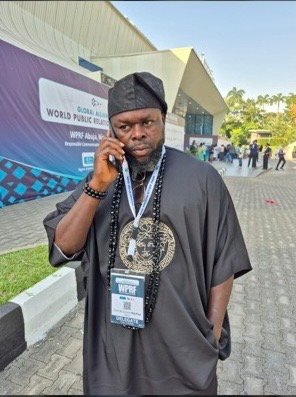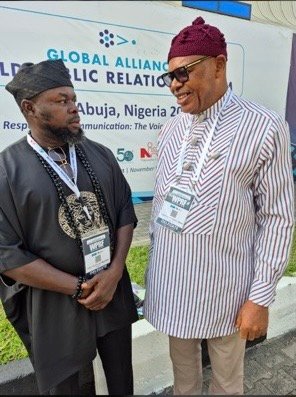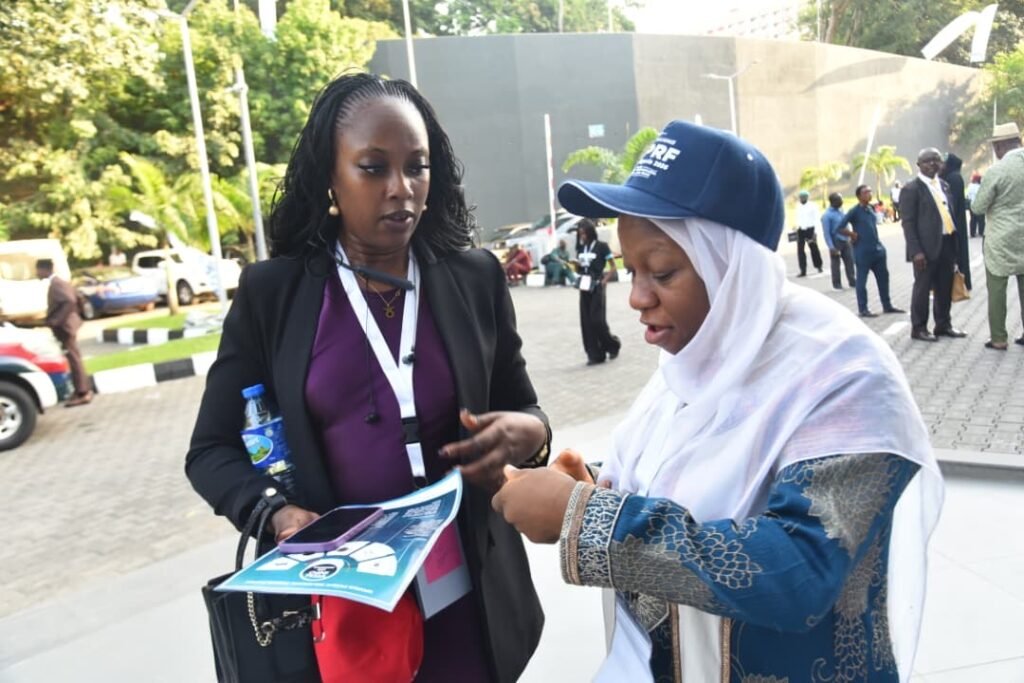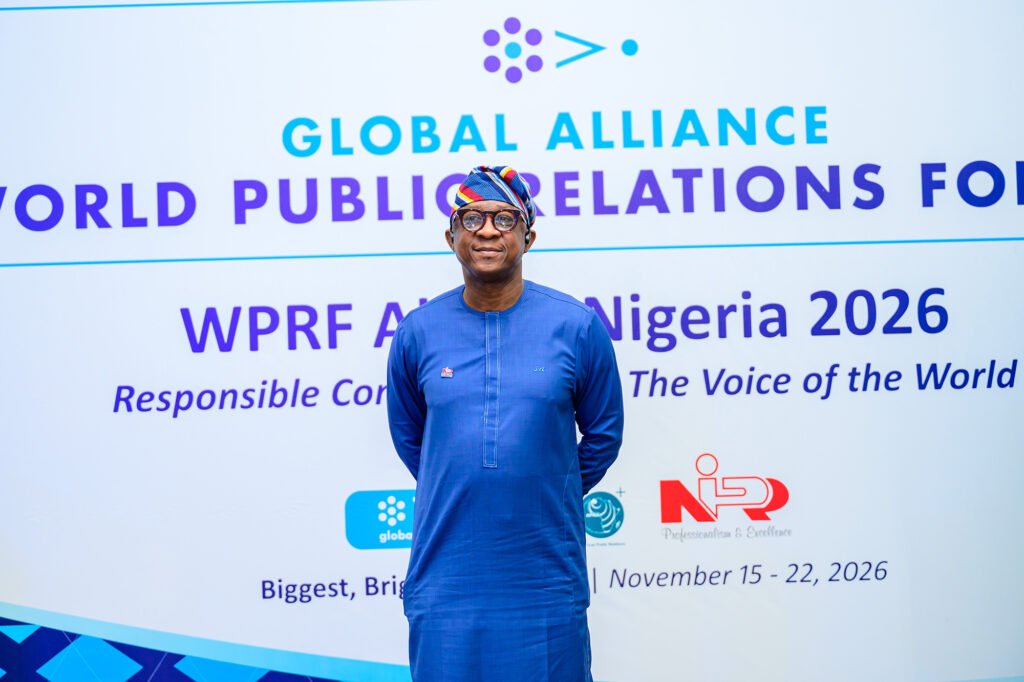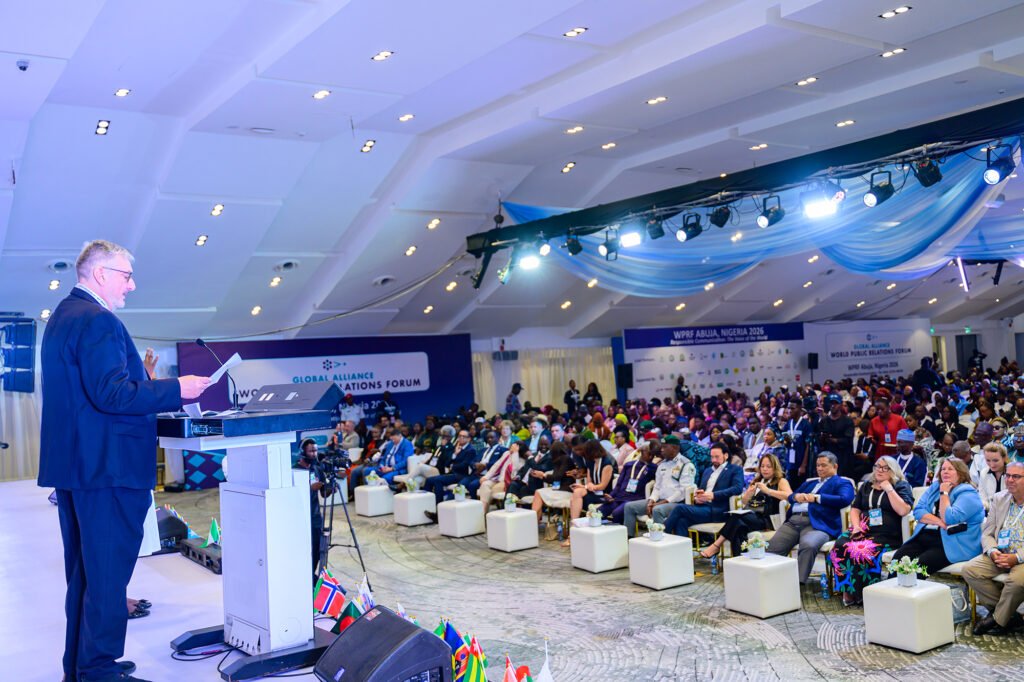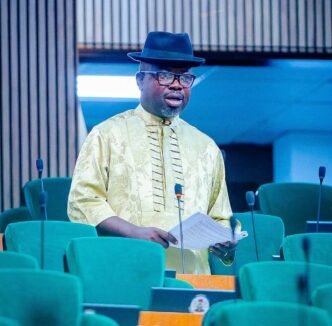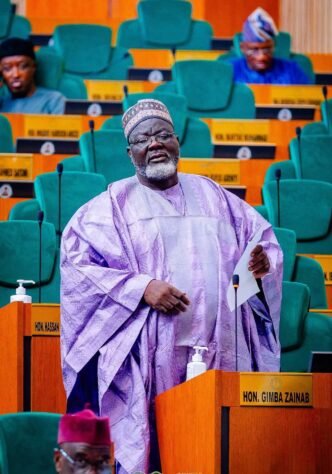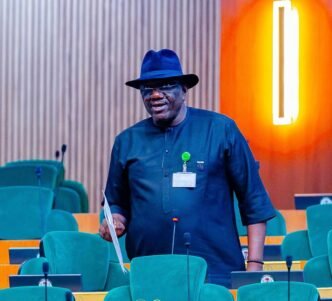
For a week, Abuja became the global capital of public relations and communication. From 15 to 22 November, the Transcorp Hilton Hotel hosted the World Public Relations Forum (WPRF) 2026, the first edition ever held in West Africa and only the second on the continent. Delegates from over 126 countries came to answer a question that touches every institution, including parliaments: how do we communicate responsibly in an age of rapid technological change and global uncertainty?
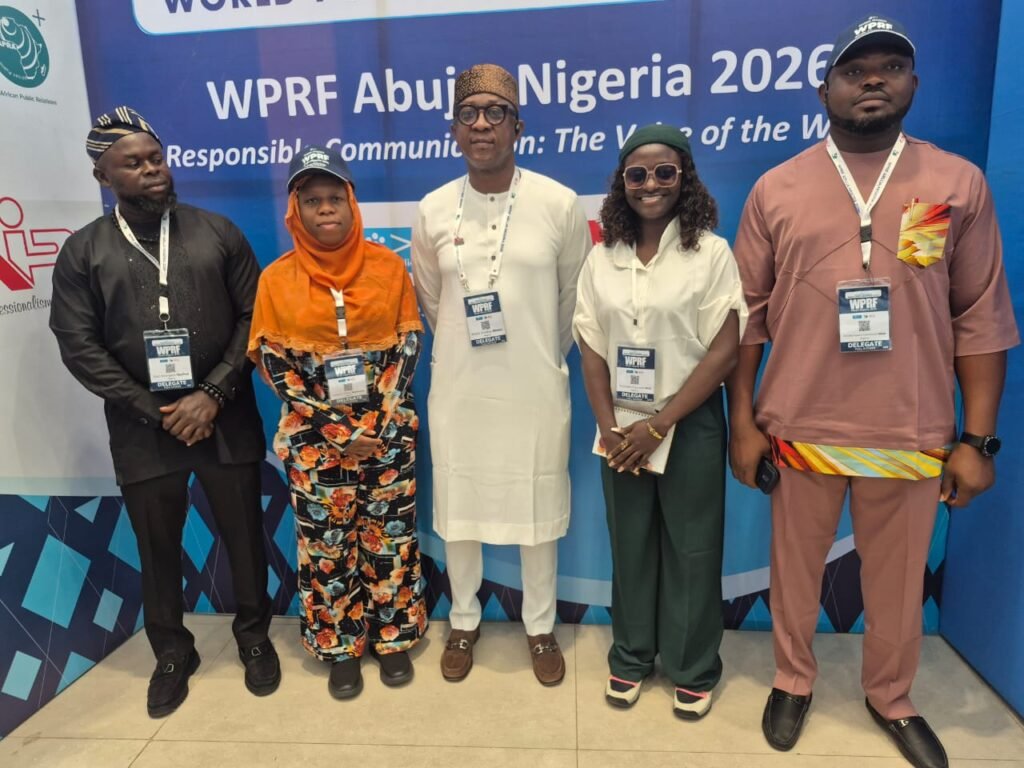
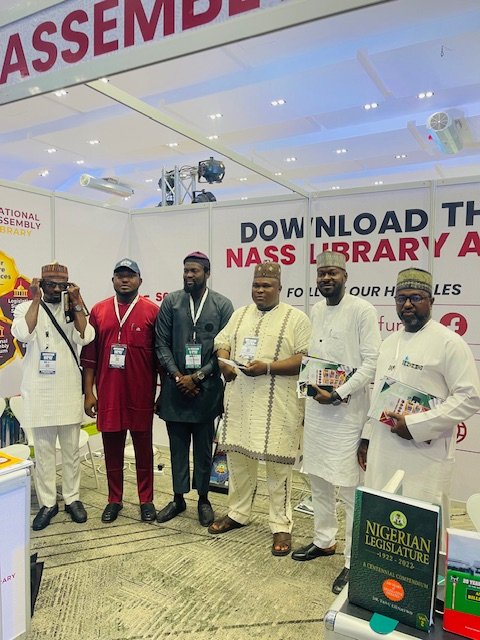
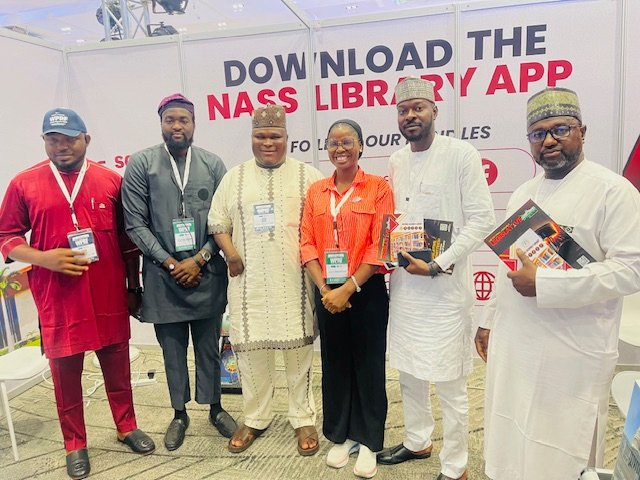
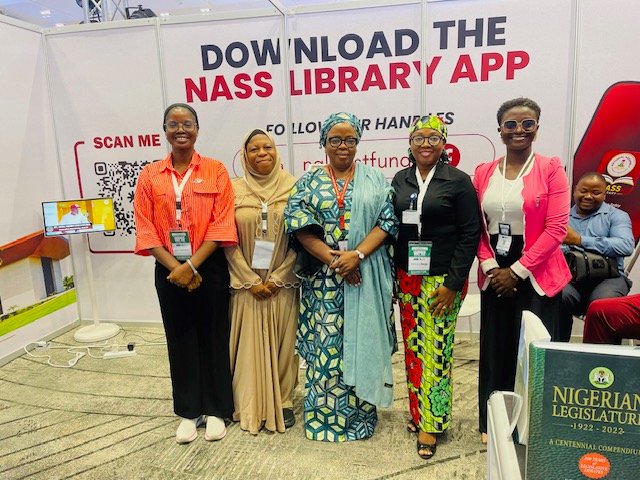
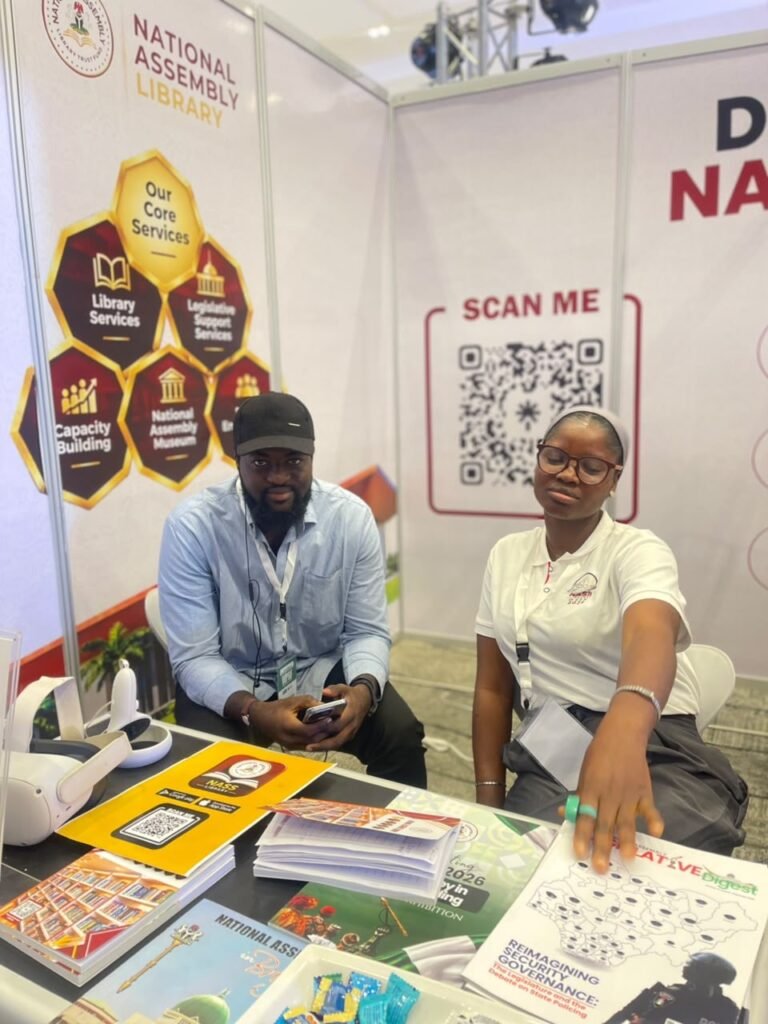
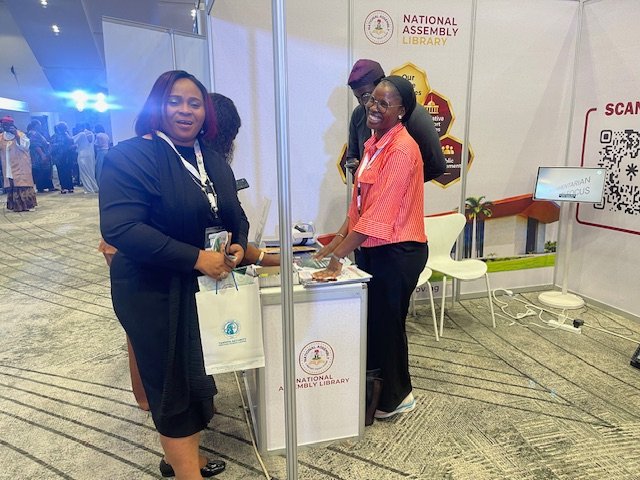
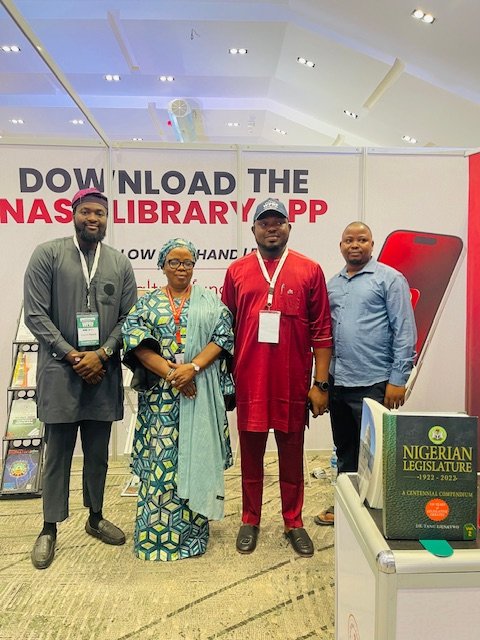
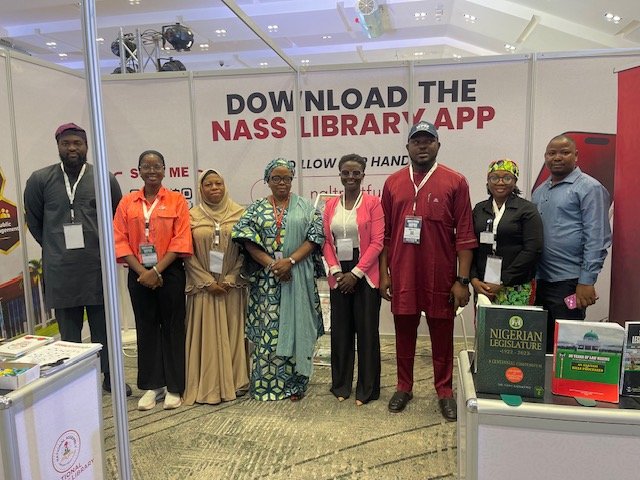
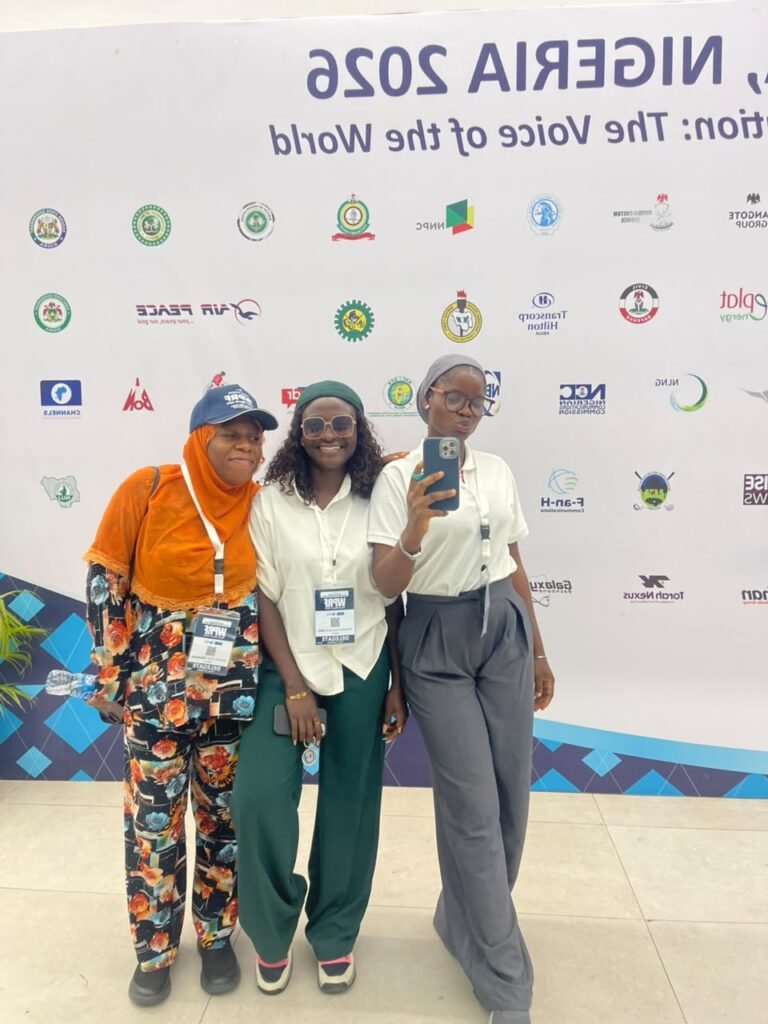
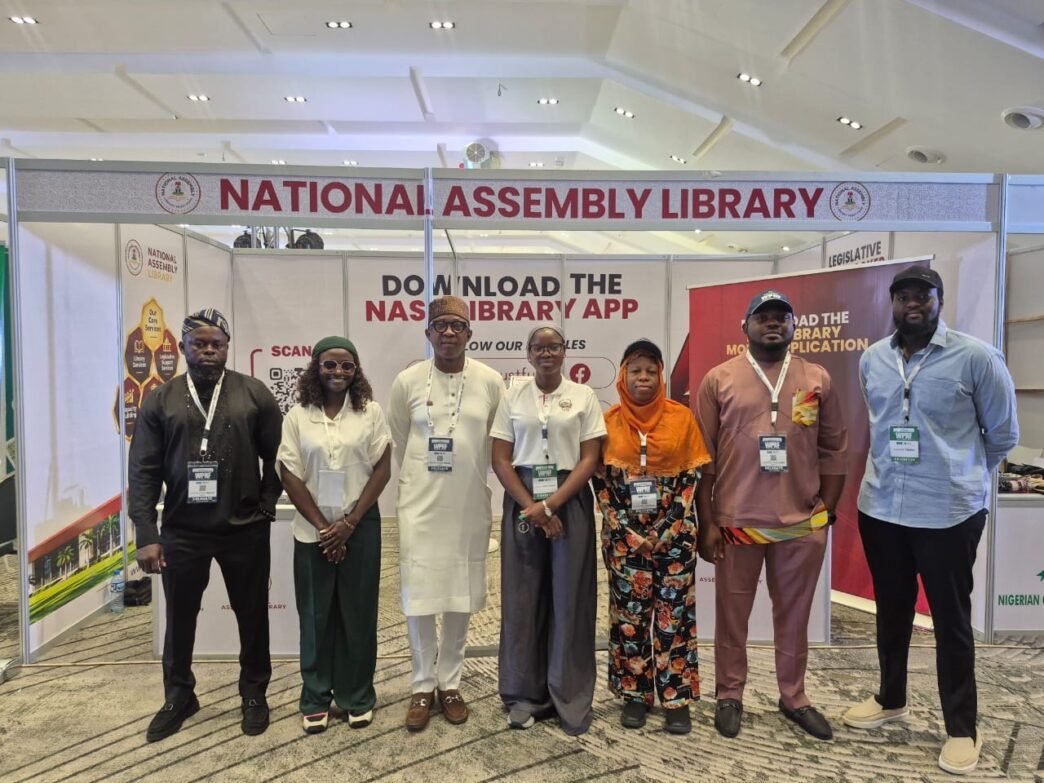
Among them was the National Assembly Library Trust Fund, with representatives from the Corporate Communications, Library, Research, Media and ICT Departments, these delegates took part in the full programme and hosted an exhibition stand that drew some of the forum’s most prominent guests.
Organized under the theme “Responsible Communication: The Voice of the World,” the forum was a collaboration of the Global Alliance for Public Relations and Communication Management, the Nigerian Institute of Public Relations (NIPR) and the African Public Relations Association (APRA). President Bola Ahmed Tinubu was the chief host, with Professor Justin Green, President and CEO of the Global Alliance, as global host. Organizers described credible communication as the foundation of trust, peace, good governance and sustainable development.
A parliamentary voice at the opening
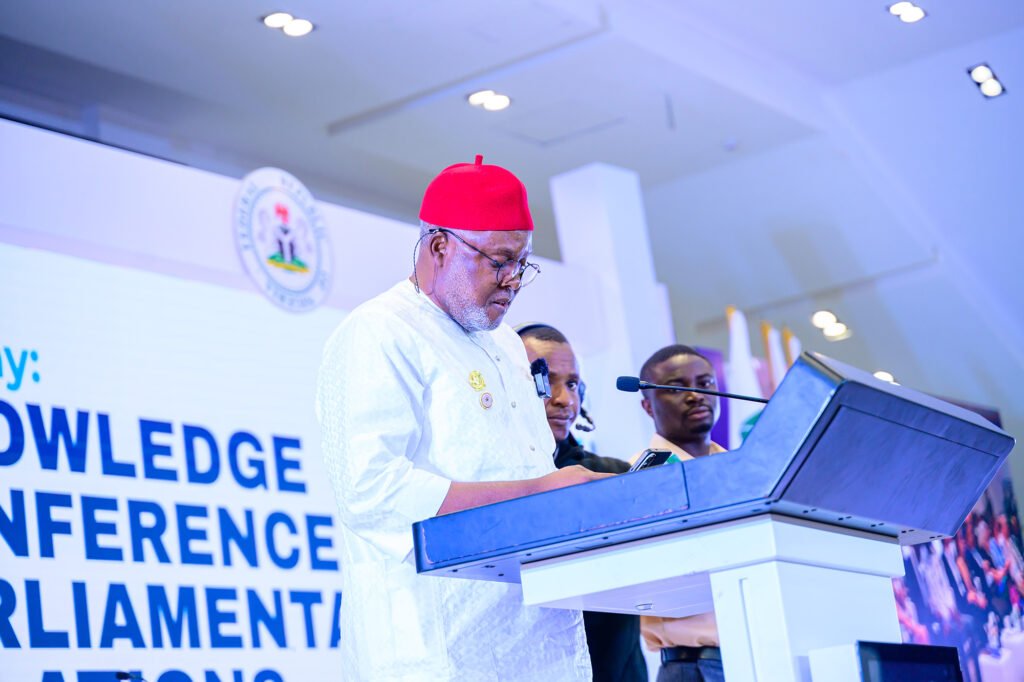
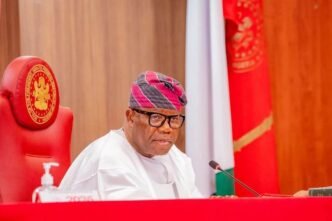
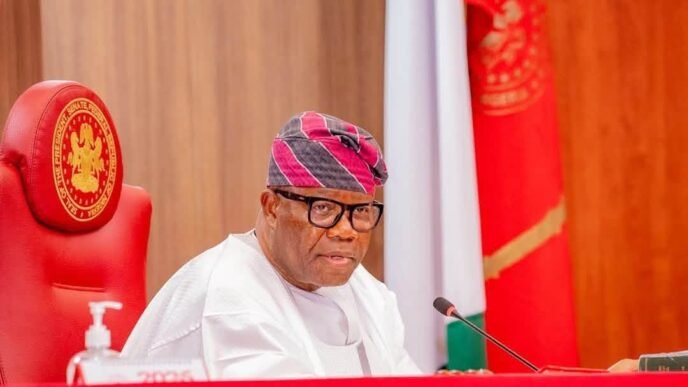
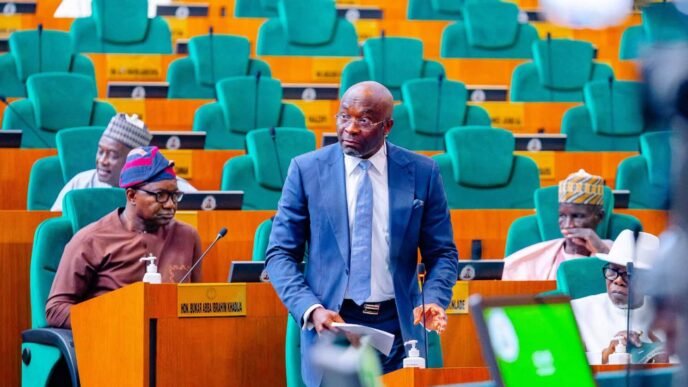
The National Assembly was strongly represented. The Executive Secretary of NALTF, Rt. Hon. Henry Nwawuba, delivered an institutional address at the opening ceremony. The Speaker of the House of Representatives, Rt. Hon. Abbas Tajudeen, was represented by the House Leader, Hon. Julius Ihonvbere, as the Special Guest of Honour. Senator Osita Izunaso, a Fellow of NIPR and Chairman of the Senate Committee on Capital Market and Institutions, chaired the opening session and called for the regulation of artificial intelligence.
The Executive Secretary of the National Assembly Library, Rt. Hon. Henry Nwawuba, has called for stronger collaboration between parliamentary institutions and public relations professionals to promote responsible communication, strengthen public trust and improve citizens’ understanding of legislative activities.
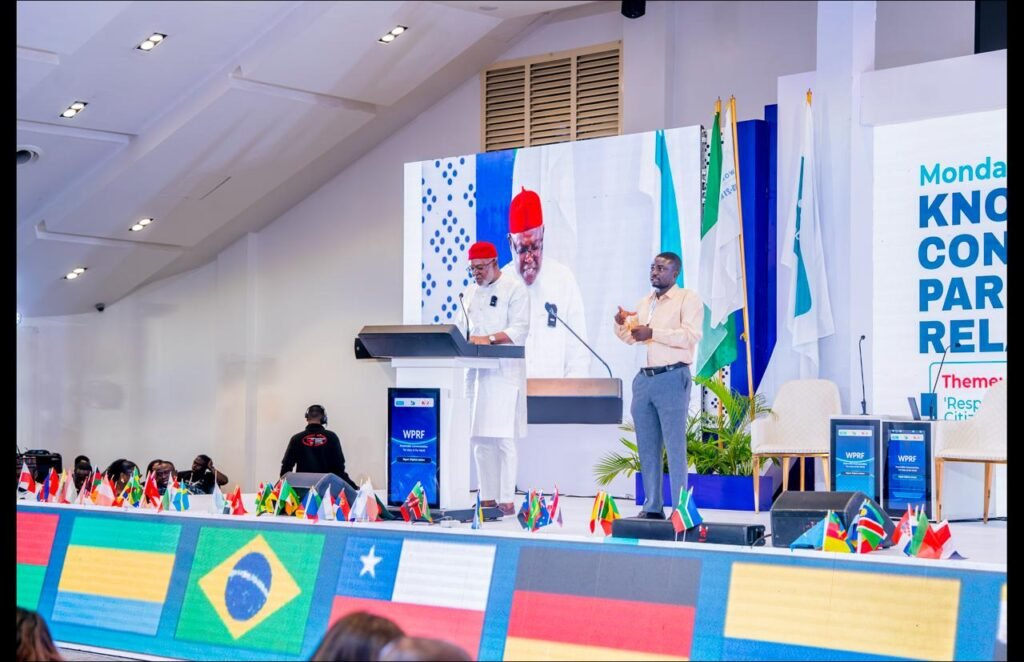
Speaking during the Prita Kemal Gani Day – Knowledge Conference and Parliamentary Relations, held under the theme, “Responsible Communication and Citizen Representation in a Digitized World,” the Executive Secretary emphasized that the effectiveness of democratic institutions depends not only on their capacity to make decisions but also on their ability to communicate those decisions accurately, transparently and responsibly.
Drawing from his eight years of experience as a former Member of the House of Representatives, where he served as Chairman of the House Committee on the Implementation of the Legislative Agenda, Nwawuba noted that parliamentary representation must extend beyond occupying seats in legislative chambers to ensuring that citizens understand the work of their representatives, the decisions made on their behalf and their implications for society.
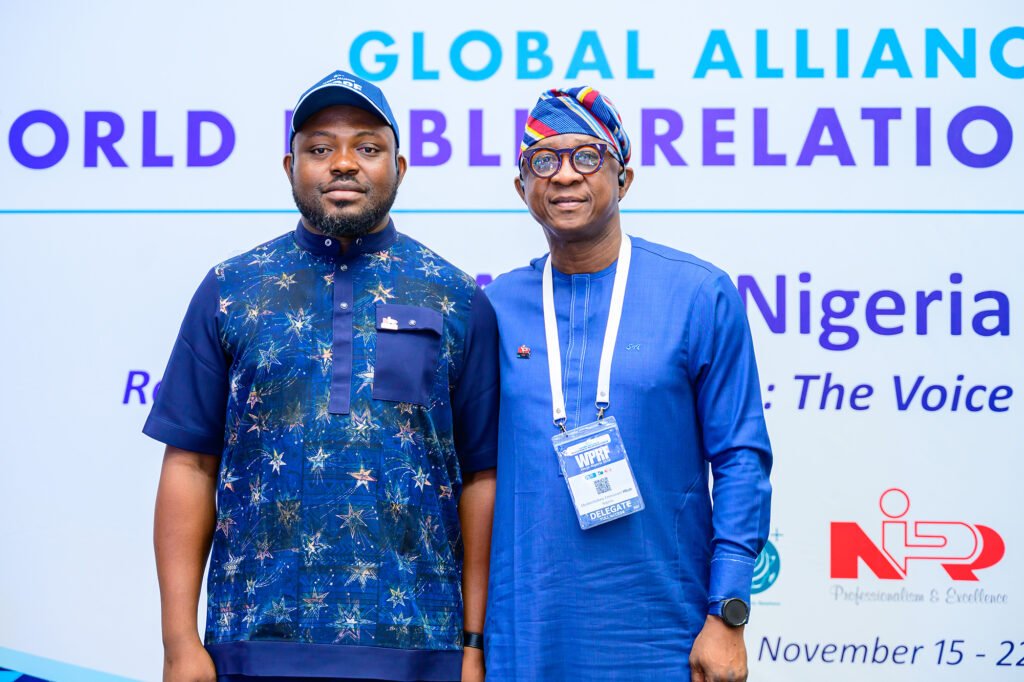
He observed that this responsibility makes the relationship between Parliament and the public relations profession indispensable, stressing that credible institutional communication must be anchored in reliable information, proper documentation and authoritative records.
Two other African legislatures joined the conversation. Rt. Hon. Richard Nagbe Koon, Speaker of the House of Representatives of Liberia, and Rt. Hon. Alban Sumana Kingsford Bagbin, Speaker of the Parliament of Ghana, spoke on democratic governance. Rt. Hon. Bagbin is also Chairman of the Conference of Speakers and Presidents of African Legislatures (COSPAL) and President of the African Geopolitical Group at the Inter-Parliamentary Union (IPU). Their message was clear: institutions must communicate openly and responsibly while listening to the people they represent. Timely, accurate and accessible public information, they said, underpins accountability and confidence in democratic institutions. Communication must also enable meaningful participation, particularly as the lines between information, misinformation and disinformation blur.
They called on Africa to strengthen its ability to shape global conversations and to communicate its own complexity, achievements and aspirations. They also called for stronger professional ethics and standards and highlighted the value of public relations professionals in parliaments. Liberia’s Right to Information Act was cited as an example of legislation recognising access to public information as a fundamental right.
A week of ideas, and a few firsts
The week’s programme was full of landmark moments. The first Public Relations University in Nigeria was unveiled in Gudi, Nasarawa State, under Governor Abdullahi A. Sule. Ms. Sylvia, Vice President of the Global Alliance board, proposed adding a women’s forum to the WPRF going forward.
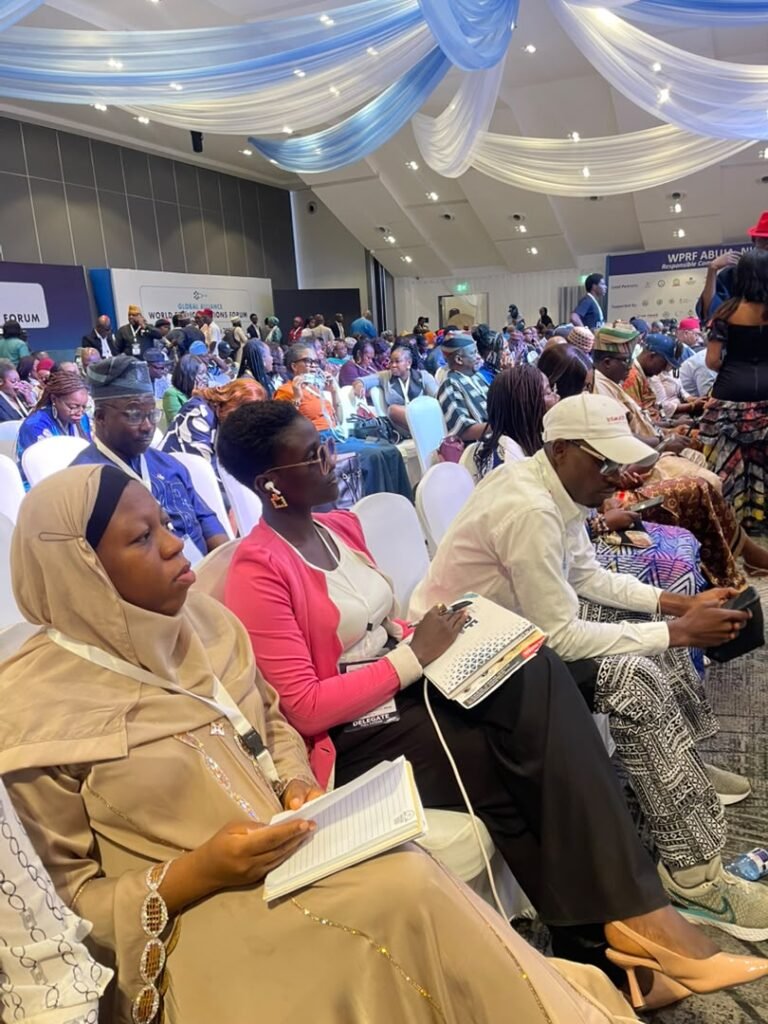
Adrian Cropley, a Global Alliance board member from Australia, introduced the consultation draft of the Global Alliance Abuja Declaration, which defines shared commitments for responsible communication across the profession. The declaration emerged from a simple question: what does society have the right to expect from public relations and communication professionals? Building on existing frameworks, including the Barcelona Principles, the Melbourne Mandate and the Stockholm Accords, the project gathered nearly 1,300 written responses from six regions, with more than half of the voices from Africa. It found broad support for principles that are universal in spirit but applied locally. The declaration is meant to change behaviour and to be judged by its practical impact, not just its ideals.
The proposed compact assigns roles to the Global Alliance, associations, employers, agencies, educators, clients and individual professionals. The Global Alliance will steward implementation, with shared measures and annual progress reporting from 2027. Delegates were given access to the draft and invited to submit feedback before board approval, and a workshop for association leaders, board members, students and project contributors was announced for the following day.
Trust was a recurring theme. Speakers argued that credibility comes from demonstrated work and substance, not from popularity or personal branding, and a PR recognition process was described in which a media partner, researchers and jurors assess candidates on their work. On social media, participants stressed verifying information before sharing, noting that every post shapes personal, institutional and national reputations. They contrasted the editorial checks of legacy media with the speed and limited accountability of self-published content. The panel backed stronger accountability for harmful falsehoods, including professional sanctions, while acknowledging the challenge of reaching people outside professional associations.
“Communication cannot compensate for poor conduct”
One of the most talked-about sessions came from Finance Minister Taiwo Oyedele, who argued that trust depends on institutional conduct and measurable outcomes, not messaging alone. Communication, he said, cannot make up for poor conduct or undelivered services, and communication professionals should be brought in at the policy design stage, not after a crisis.
He turned to a puzzle many Nigerians recognise. Nigeria’s October 2026 inflation rate was 14.06%, the lowest in six years, but he explained that lower inflation means prices are rising more slowly, not that they have fallen, so people can still feel the pinch on bread and milk. Dismissing the figures because they do not match people’s experience weakens trust, he cautioned, and fear of rising prices can lead traders and suppliers to raise prices pre-emptively, reinforcing the very expectations they fear.
He said the tax reforms, designed to protect small businesses and exempt low-income earners, had been distorted by some commentators and analysts. Claims, he noted, spread faster than clarifications, and some intended beneficiaries became sceptical of the reforms. His remedy was to explain early and plainly who pays, who is exempt, how compliance works and where people can seek redress, before rumours take hold.
He proposed a practical playbook for communicating reforms responsibly:
- Involve communication professionals at the policy design stage.
- Listen to affected people, including communities beyond the loudest online voices, and test assumptions.
- Explain reforms ahead of rumours and make economic information easy to find and understand.
- Verify claims and correct mistakes openly, applying the same evidence standards to favourable and unfavourable news.
- Close the gap between promises and people’s experience by assigning responsibility, setting a deadline and tracking progress.
- Measure communication by whether people understand it and whether institutions earn public confidence, not by media impressions alone.
He also called for accurate, dignified representation of African perspectives and stronger relationships among governments, media and communication professionals. Speakers linked this to meaningful African participation in international decision-making and, more broadly, to peaceful societies, stronger institutions and international cooperation. They warned that social-media incentives, which can reward outrage over correction, and convincing AI-generated content raise the risk of misinformation, with costs that include reduced investment, talent leaving the country and delayed reforms.
The European Union’s response
His Excellency Ambassador Gautier Mignot, Head of Delegation of the European Union, described how the EU is responding to misinformation and public misunderstanding. Fake news, AI-generated videos, foreign interference and coordinated online pushback, he said, all feed public distrust, and many audiences confuse the EU with other international organisations or see it mainly as a donor, obscuring its political role and partnership with Nigeria.
The EU’s answer is responsible, respectful, reliable and fact-based messaging, backed by stronger narratives and the use of influencers. It also provides tools and training to help journalists, officials and other partners detect and counter disinformation. A two-year project in five north-western Nigerian states, implemented by the Center for Journalism Innovation and Development, combines monitoring, fact-checking, documentation and capacity building for journalists and broadcasters.
Culture and youth are central to the approach. The EU supports cultural programming, including an exhibition in Lagos, to foster dialogue and mutual understanding, and produces The Hustle, a reality television programme showcasing young entrepreneurs in north-western Nigeria. It also reaches young Nigerians through music, sport and video, explaining Global Gateway investments and promoting the EU–Nigeria partnership, with young Nigerians shown as partners and implementers of projects. The song “Together” was previewed as one example. In closing remarks, a speaker urged matching the channel to the message and telling Nigerian stories through Nigerian talent.
The Library on the exhibition floor
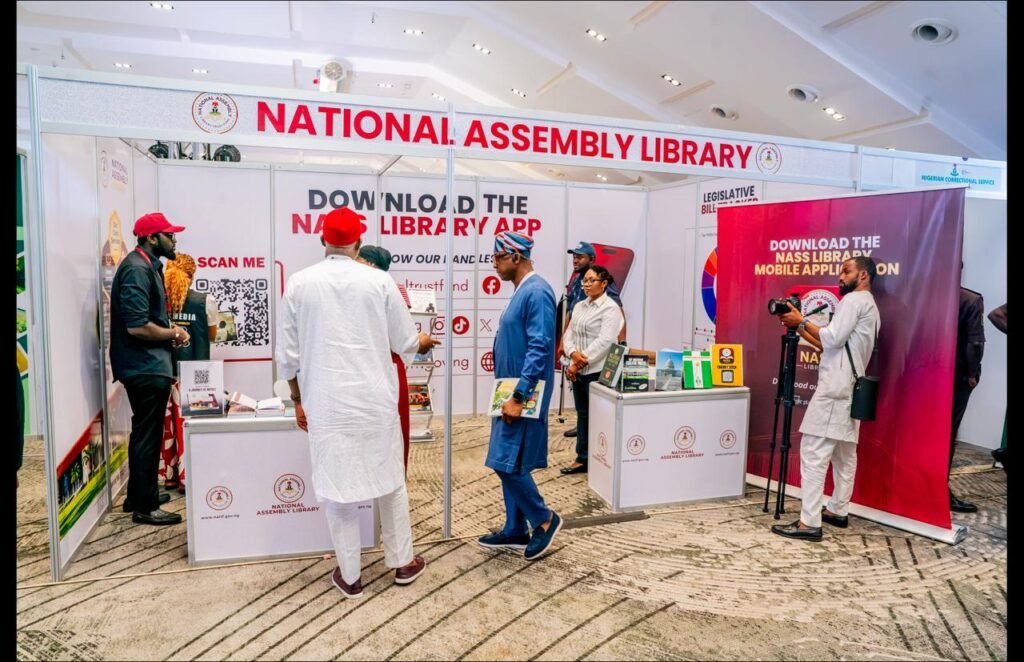
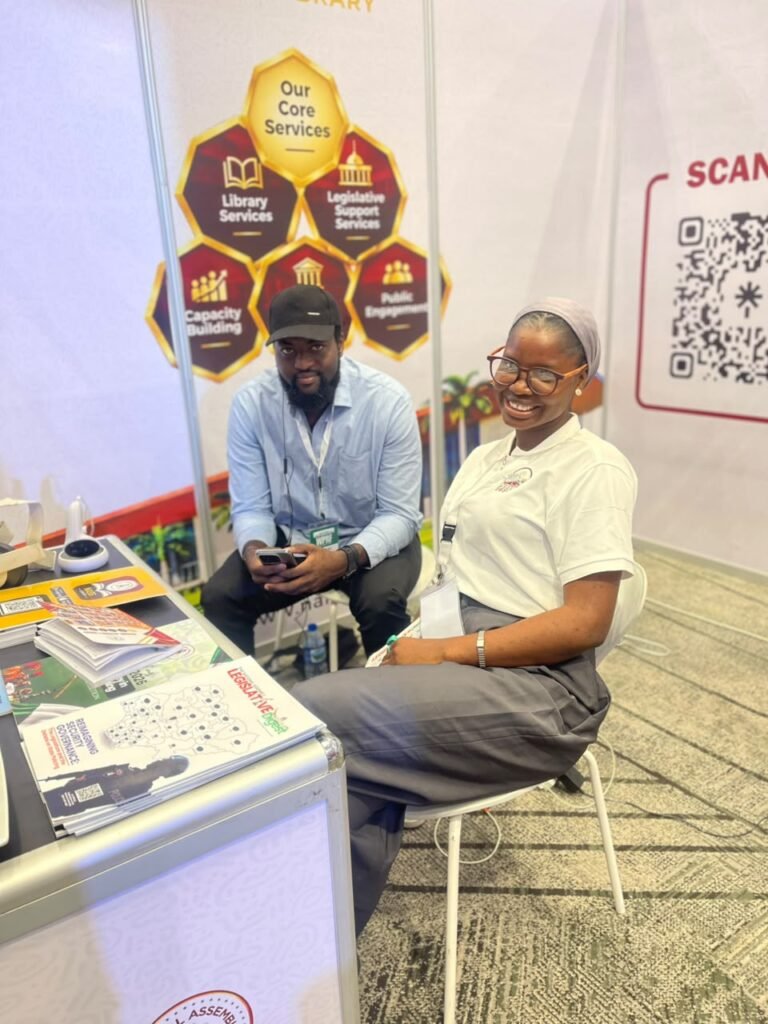
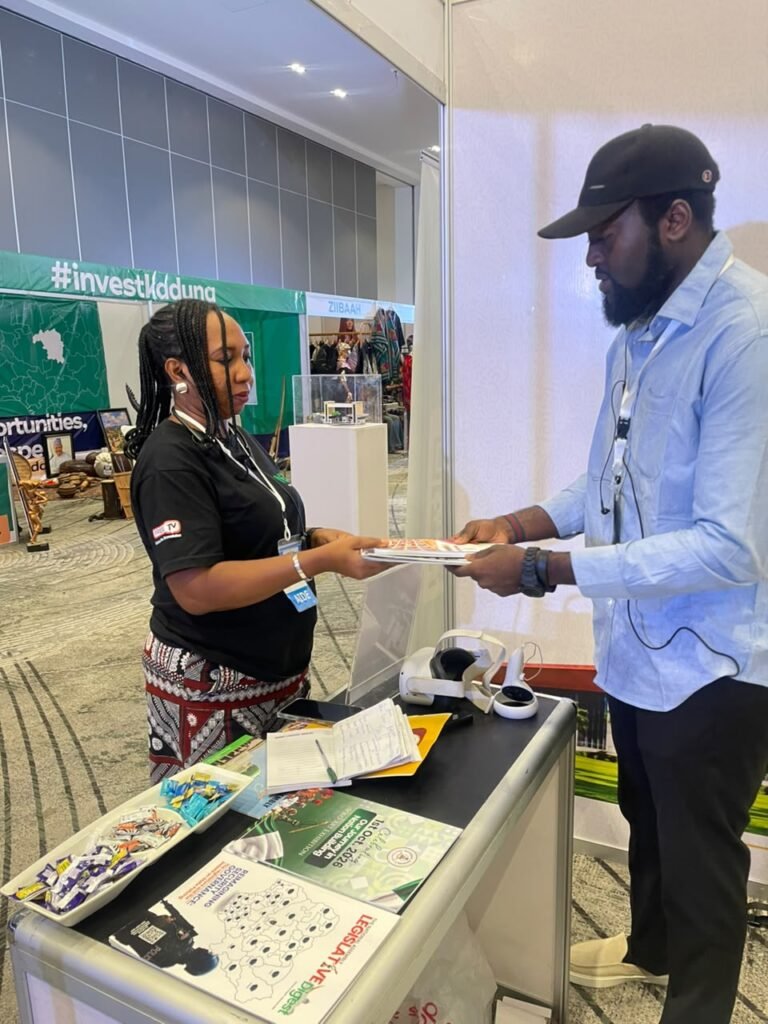
Away from the sessions, the NALTF stand was making the case for the Library’s own work. The exhibition showcased legislative history and efforts to preserve legislative records and digitise parliamentary activities for future generations, with the aim of bridging the gap between citizens and the National Assembly. It also promoted the Library’s mandate, services and digital platforms, particularly the National Assembly Library mobile application and its social media accounts.
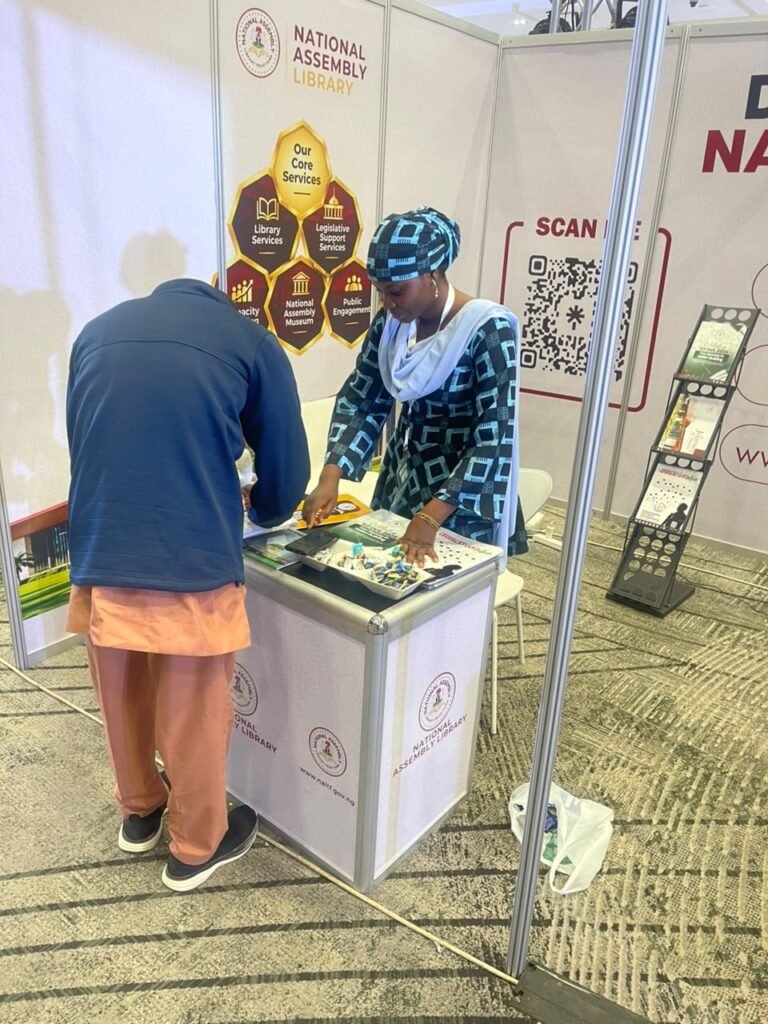
The stand attracted several dignitaries, including the Leader of the House of Representatives, Hon. Prof. Julius Ihonvbere, Professor Green and the NIPR President, Dr. Ike Neliaku, FNIPR. While inspecting the exhibition stand, the Executive Secretary, Rt. Hon. Henry Nwawuba expressed satisfaction with the arrangement and presentation.
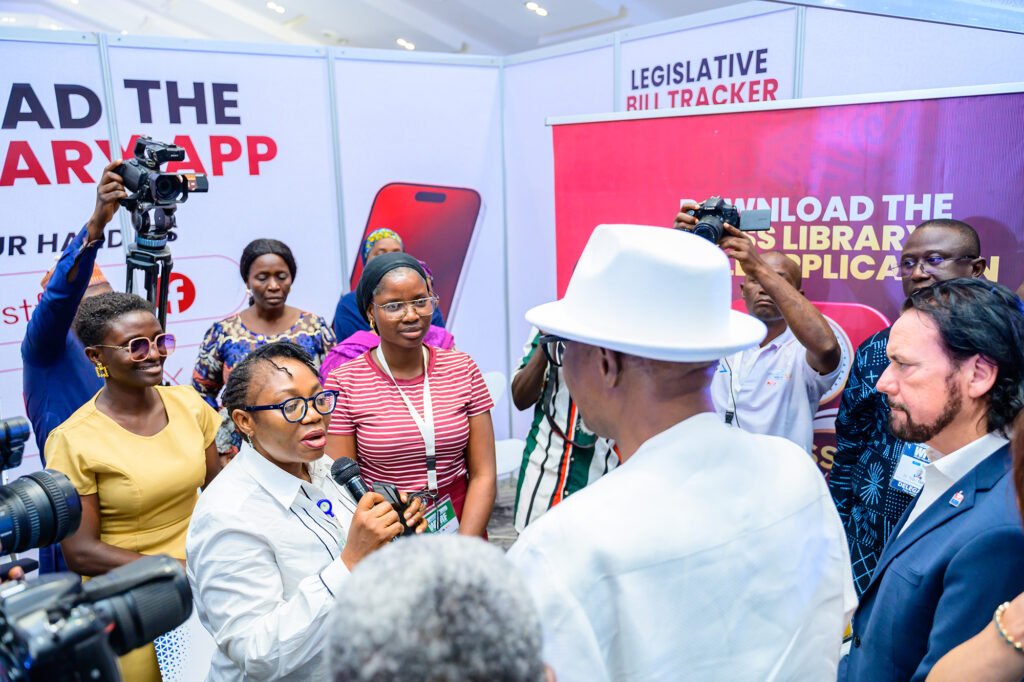
The Library’s participation yielded encouraging results. A total of 125 visitors engaged with the exhibition stand, with over 90 per cent of those who interacted with the team receiving guidance on downloading and registering on the National Assembly Library mobile application and the use of the Legislative Bills tracker. The Library’s social media following also increased during the period. Beyond these, the engagement provided an opportunity to showcase NALTF’s services, strengthen institutional visibility, promote its digital resources and deepen public awareness of the Library’s role in supporting legislative research, knowledge management and parliamentary development.