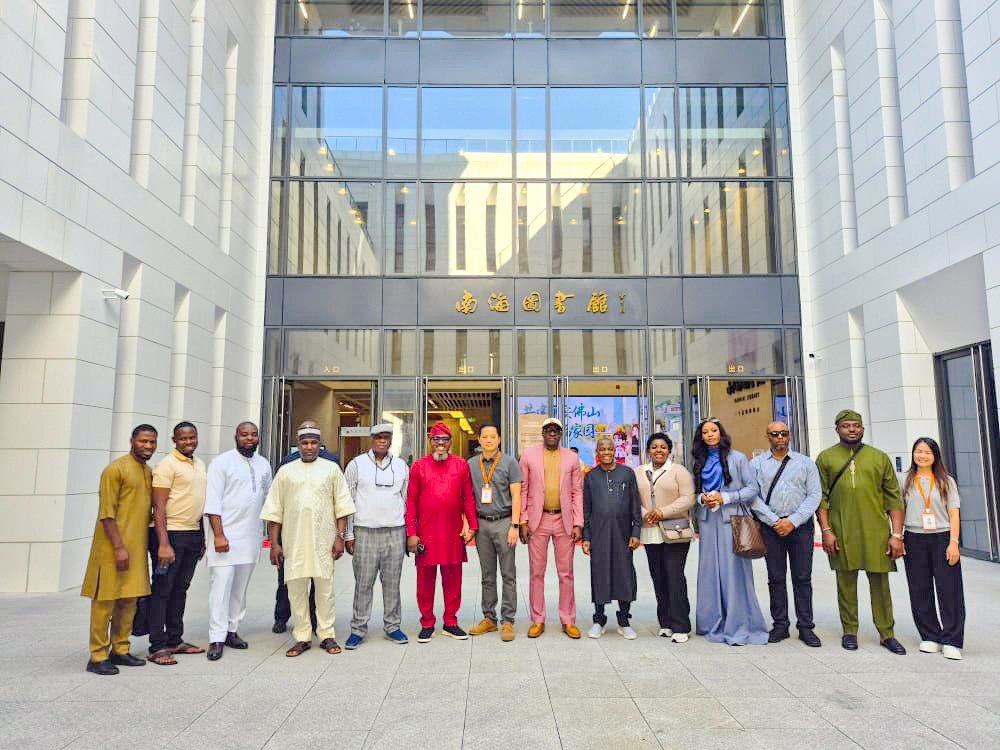
The National Assembly Library undertook a study of prominent libraries, museums, and research institutions in China to examine innovative approaches to digital library management, legislative research, information preservation, and knowledge management.
The study enabled participants to assess how emerging technologies such as artificial intelligence, automation, and advanced digital archiving systems are transforming information management and accessibility in contemporary knowledge institutions.
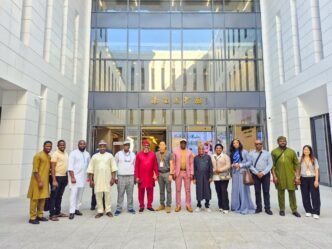
The delegation visited several prominent institutions, including Binhai Tianjin Library, Beijing City Library, Guangzhou Library, Foshan Library, Tianjin Natural History Museum, China Science and Technology Museum, and the Guangdong Science and Technology Library affiliated with the Chinese Academy of Sciences Guangzhou Branch.
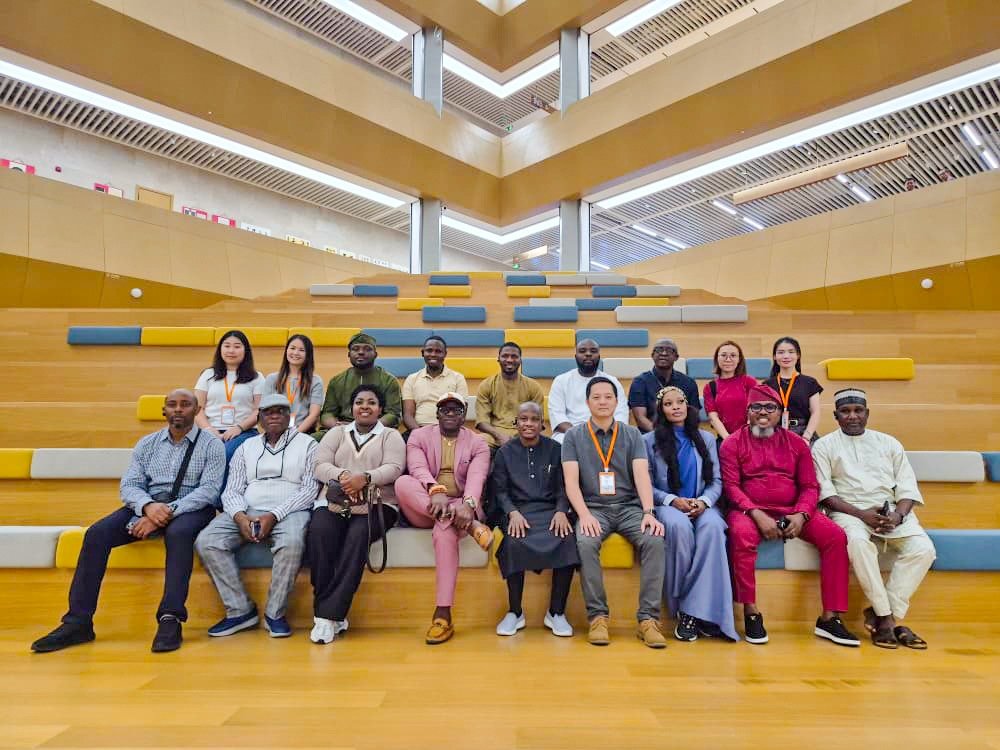
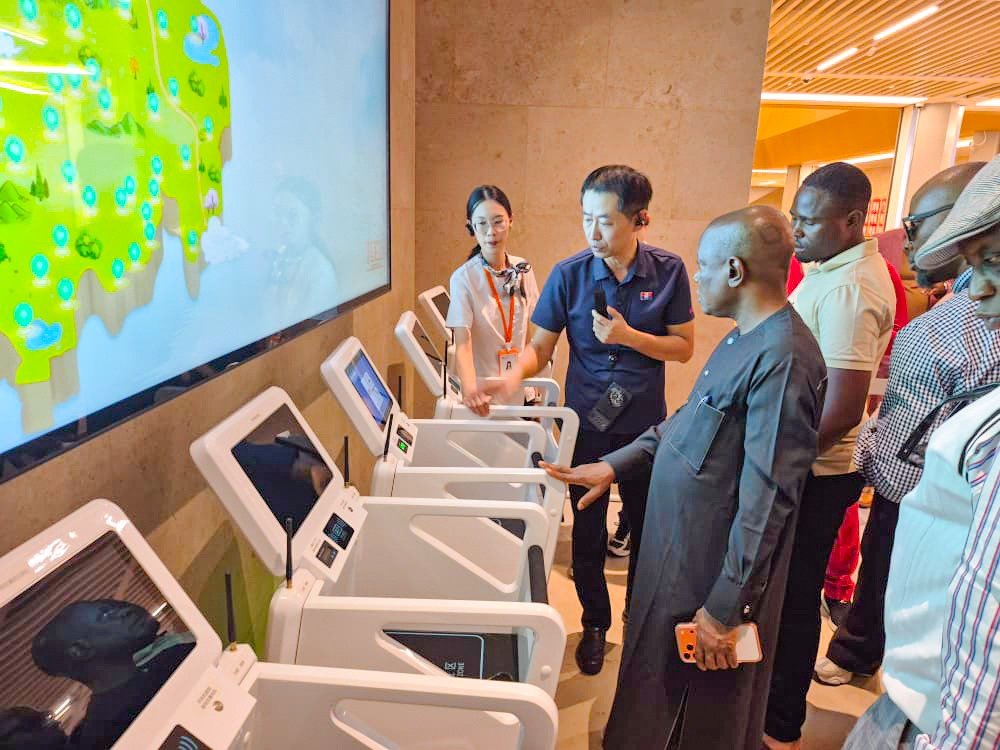
At Binhai Tianjin Library, the delegation explored modern research and digital information services, including automated systems for borrowing, returning, and sterilizing books, as well as automated reading and library service technologies intended to enhance operational efficiency and user experience.
The visit to Beijing City Library offered insights into digital collections, digital preservation, and modern library management systems. Engagements at Guangzhou Library highlighted the development of resilient, technology-driven library infrastructure capable of serving large user populations.
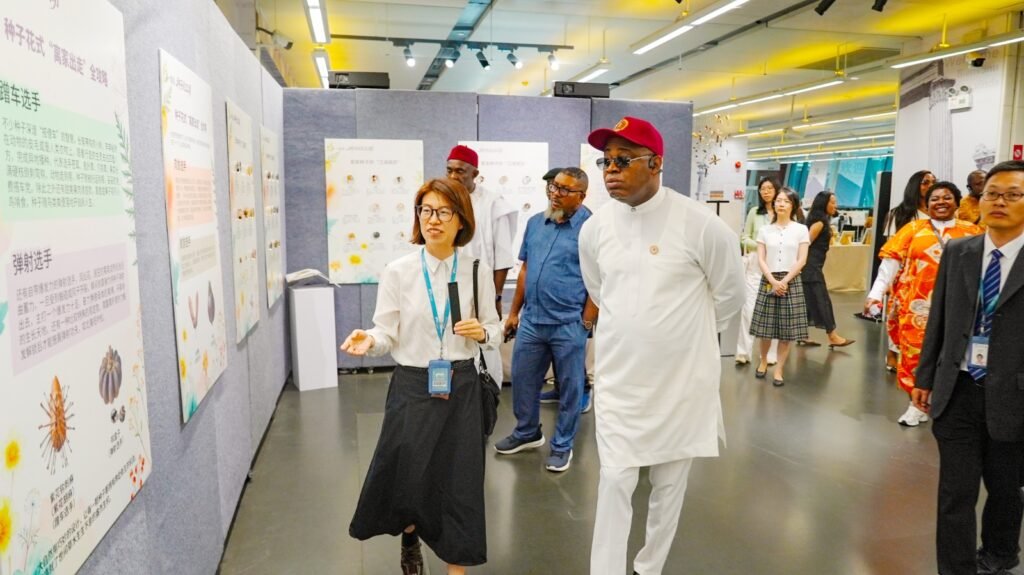
Guangzhou Library, which houses a collection of approximately 11 million books, operates automated borrowing and return systems and provides specialized individual reading rooms in addition to access to historical materials. The institution’s scale of operations offered valuable perspectives on managing extensive collections while ensuring accessibility and efficient service delivery.
At Foshan Library and the storage facility, the delegation reviewed an intelligent automated storage and retrieval system that utilizes technology and artificial intelligence to facilitate shelving, retrieval, storage, and preservation of library materials. The visit demonstrated the potential of intelligent systems to optimize space utilization, improve cataloguing processes, and enhance the management of large collections.
The delegation also visited the Tianjin Natural History Museum and the China Science and Technology Museum, where discussions and observations focused on cultural preservation, digital archiving, three-dimensional imaging, and the application of artificial intelligence in information management and public engagement.
A key highlight of the study tour was the visit to the Guangdong Science and Technology Library affiliated with the Chinese Academy of Sciences Guangzhou Branch. The institution maintains approximately 1.5 million hard-copy books and supports research, intellectual property services, public engagement, and knowledge exchange through partnerships with over 20 research institutions.
The engagement facilitated discussions on potential areas of collaboration and knowledge exchange between the Guangdong Science and Technology Library and NALTF, particularly in institutional knowledge management, and access to specialized information resources.
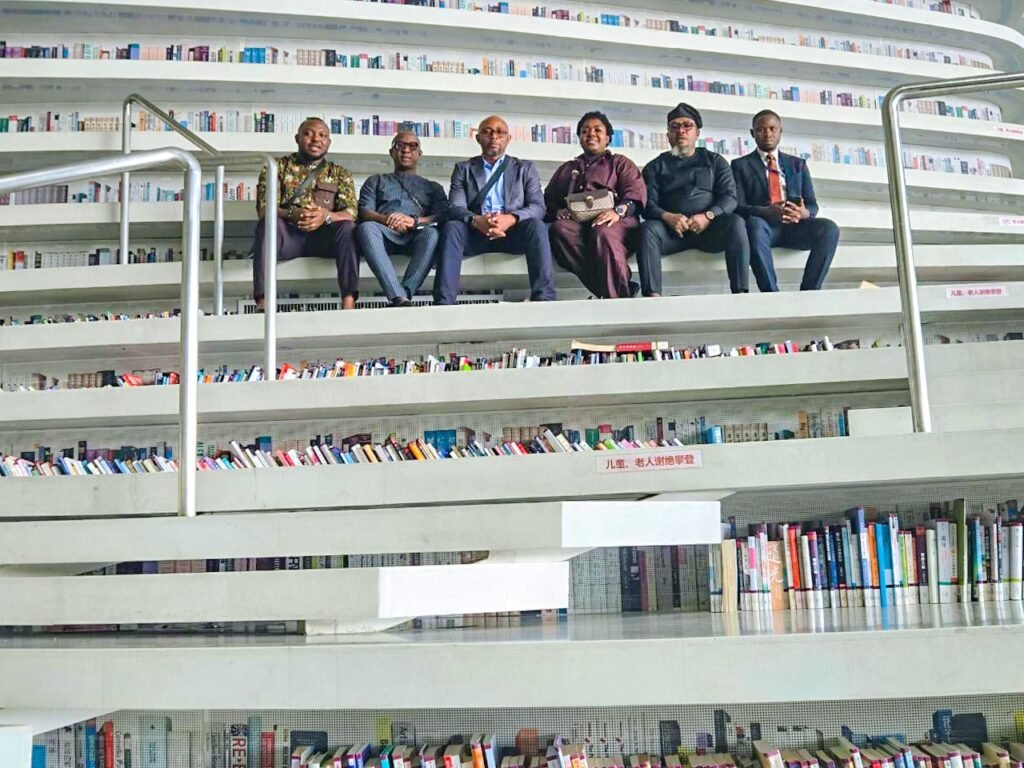
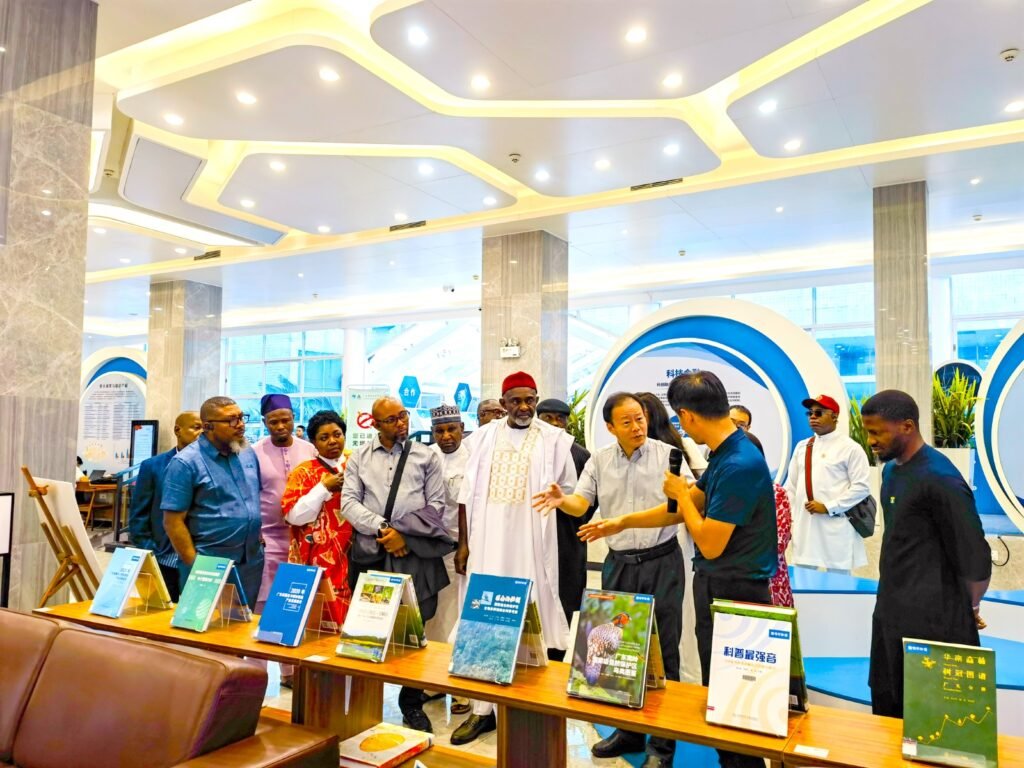
The delegation comprised the leadership of the House Committee on Legislative Library, Research and Documentation, including Hon. Yusuf Shittu Galambi, Hon. Joshua Chinedu Obika, and Hon. Billy Osawaru; Dr. Ali Barde Umoru; Secretary of Research and Information, Mr. Atiku Ibrahim; Secretary of Finance and Accounts, Mr. Labaran; the Director of Budget of the National Assembly; and members of the management of the National Assembly Library.
The study tour demonstrates the commitment of the National Assembly Library and Resource Centre to identifying global best practices that strengthen legislative research, modernize information services, improve the preservation of parliamentary records, and enhance access to knowledge resources for lawmakers, researchers, and other users of the National Assembly Library.
The insights gained are expected to inform ongoing institutional learning and guide future adoption of appropriate technologies and innovative service delivery models within Nigeria’s legislative knowledge ecosystem.