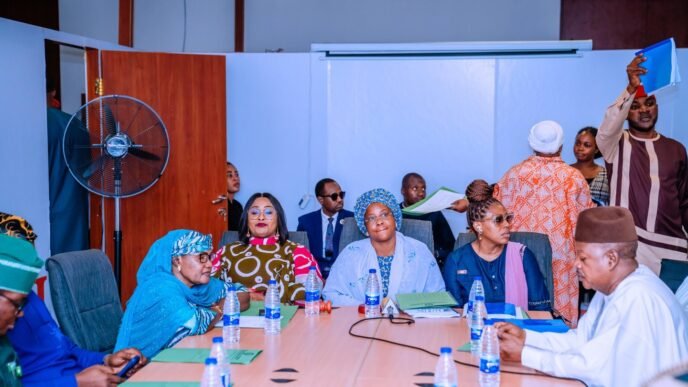
The Senate Committee on Finance has launched an inquiry into the operations of the Nigerian Bulk Electricity Trading Plc (NBET) following revelations that the agency received only ₦60 million out of its ₦858 billion capital appropriation for the 2025 fiscal year.
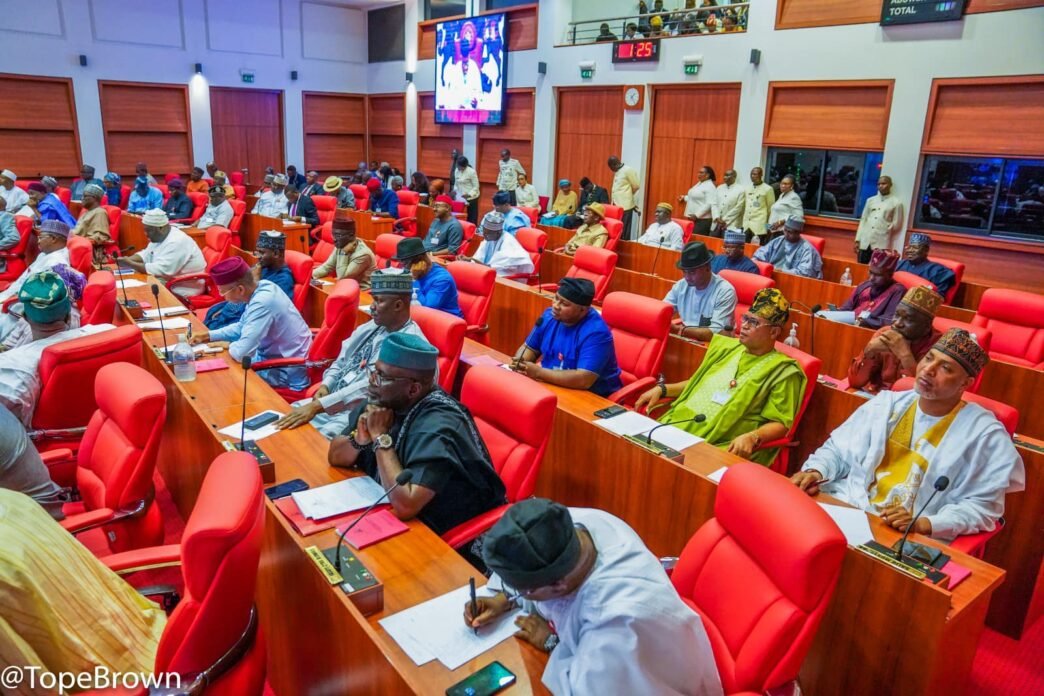
During a budget defense session chaired by Senator Sani Musa (Niger East), lawmakers expressed “shock” that a critical linchpin of the Nigerian electricity market was forced to operate with virtually zero cash backing for its capital vote.
The Committee raised urgent concerns regarding how the agency remained functional and the resulting impact on the nation’s fragile power sector.
Addressing the Committee, the Acting Managing Director of NBET, Johnson Akinnawo, confirmed the staggering shortfall. He explained that the agency has been forced to rely almost exclusively on regulatory income to maintain daily operations.
Key highlights from the testimony include:
Massive Funding Deficit: Only 0.007% of the ₦858 billion appropriated in 2025 was actually released to the agency.
Rising Debt Profiles: The non-release of funds has severely deepened NBET’s financial exposure to Power Generation Companies (GenCos).
Market Instability: Akinnawo warned that the gap between generation costs and allowed tariffs remains “substantial,” and without government intervention, the electricity market faces a high risk of instability.
“NBET’s role as a market stabilizer is being severely hampered,” Akinnawo stated. “Without urgent financial intervention, our ability to fulfill our mandate is constrained, creating ripple effects that threaten the overall electricity supply nationwide.”
The Senate Committee noted that NBET’s inability to guarantee payments due to lack of funding directly undermines its purpose: purchasing power from GenCos to sell to Distribution Companies (DisCos) while providing necessary liquidity guarantees.
Senator Sani Musa emphasized the need for transparency and a concrete path forward, advising NBET to:
Submit a comprehensive proposal detailing its specific funding requirements.
Provide a strategic roadmap to address structural bottlenecks within the power sector.
The Committee assured the agency that these submissions would be a priority during the 2026 budget considerations, signaling a move toward stricter oversight to ensure that future appropriations are backed by actual cash releases rather than remaining “paper provisions.”
As the 2026 budget cycle begins, the National Assembly is expected to demand firmer fiscal discipline from the Budget Office and the Ministry of Finance. The goal is to prevent a systemic collapse of the power sector and ensure that institutions central to Nigeria’s infrastructure are adequately empowered to meet their obligations.