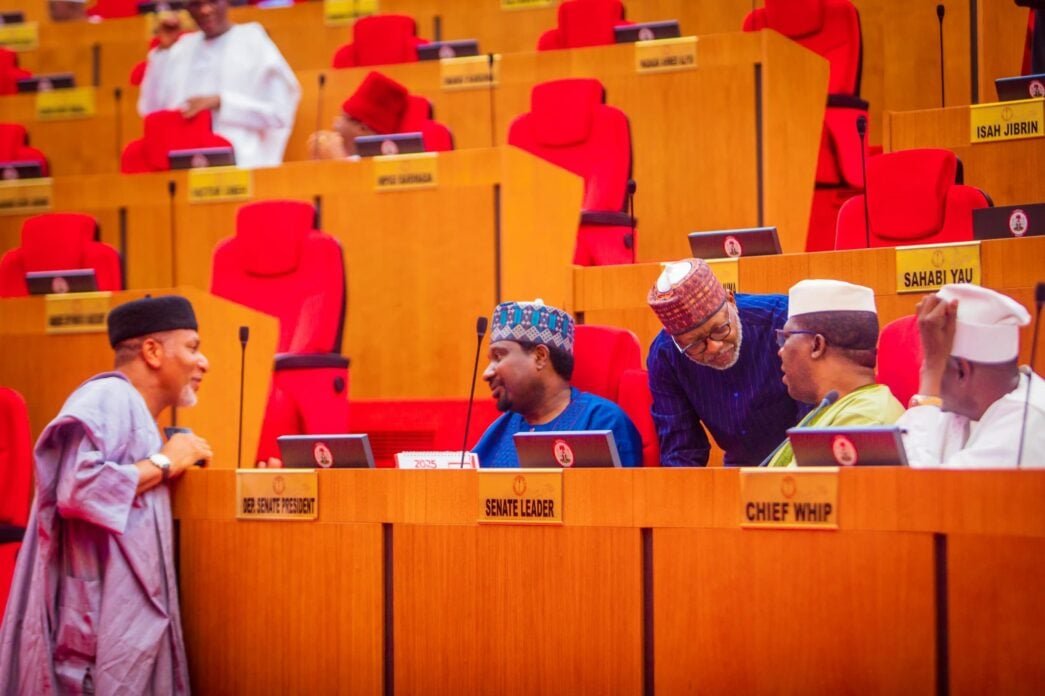
The Senate Committee on Finance has expressed grave concern regarding the disconnect between government economic reports and the lived reality of ordinary Nigerians. During a high-level budget defense session with the federal government’s economic team, the Committee called for a radical shift in fiscal management to address mounting debts and stalled growth.
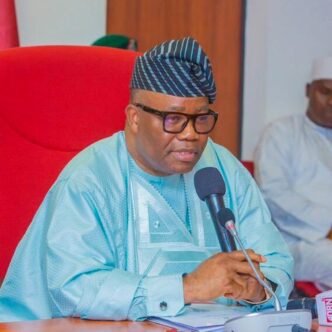
Committee Chairman, Senator Sani Musa (Niger East), formally criticized the current “envelope” system of budgeting, describing it as an ineffective model that prioritizes routine expenditure over strategic growth. The Committee is urging the federal government to:
Abolish the Envelope System: Transition to a priority-based model that focuses resources on projects specifically designed to enhance the national economy.
Decentralize Contractor Payments: Revert to the previous decentralized payment system to resolve a mounting debt crisis.
Address Unpaid Obligations: Resolve significant outstanding debts for projects completed in 2024, as payments for 2025 already face delays.
The economic team, led by Finance Minister Wale Edun and Budget Minister Senator Atiku Bagudu, presented the proposed N58.472 trillion 2026 budget. Minister Edun addressed concerns regarding Nigeria’s N152 trillion debt profile, clarifying that the vast majority of this figure stems from inherited obligations and exchange rate adjustments. He noted that only approximately N20 trillion represents new borrowing since 2023.
The executive team assured the Committee that the 2026 fiscal plan is designed to prioritize “growth enhancing projects” to provide much-needed relief to the citizenry.
In a move to enforce legislative oversight, the Committee resolved to write to President Bola Ahmed Tinubu requesting the dismissal of the Registrar-General of the Corporate Affairs Commission (CAC), Hussaini Ishaq Magaji, SAN. The request follows the Registrar-General’s repeated failure to appear before the Senate Committee for official briefings.
Senator Musa emphasized that the economic team must collaborate more closely with the National Assembly to reform operational systems and ensure accountability in budget implementation.